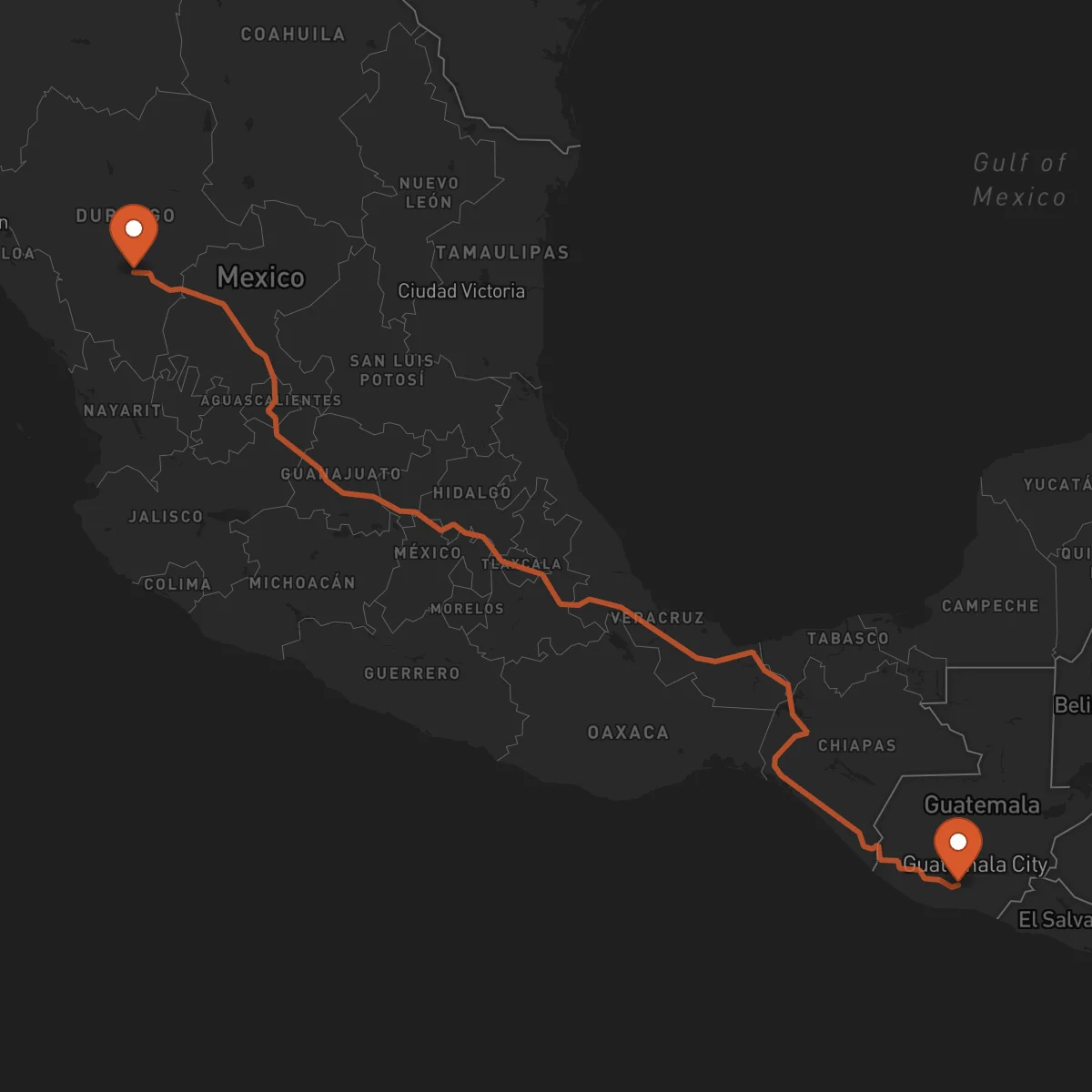
Escuintla to Durango
Durango → EscuintlaFTL freight transportation service between Escuintla and Durango. Reliable logistics solutions for your business.
Route Description
Everything you need to know about the corridor Escuintla - Durango
The Escuintla to Durango corridor is a critical cross-border logistics artery connecting Guatemala's primary Pacific gateway with Mexico's industrial heartland in the northern region. This route serves as a vital link in the supply chain, facilitating the movement of goods between Central America and the expansive markets of the United States and Canada via Mexico's robust transportation network. Its strategic importance lies in providing a direct, efficient pathway for exports from Guatemala's dynamic manufacturing and agricultural sectors to reach key industrial hubs in Mexico, while also enabling the inbound flow of raw materials and finished products necessary for regional economic activity. The corridor's efficiency is paramount for companies looking to optimize their North American supply chains with a single, streamlined overland solution.
Economically, the corridor bridges two dynamic regions. Escuintla is Guatemala's industrial powerhouse, driven by manufacturing, agribusiness, and exports via Puerto Quetzal. Durango is a cornerstone of Mexico's industrial north, with a economy heavily anchored by mining (silver, gold, fluorite), forestry, and a significant manufacturing presence, particularly in the La Laguna region (adjacent to Durango city). Key industries utilizing this corridor include automotive parts manufacturers, consumer goods producers, agricultural processors, and mining supply companies. The flow typically includes finished goods from Guatemala's factories destined for Mexican assembly plants or distribution centers, and raw materials or intermediate goods moving south to support Central American production.
The primary overland infrastructure relies on a sequence of major highways. From Escuintla, trucks utilize the CA-1 highway to reach the border crossing at Talismán (Guatemala) / Tecún Umán (Mexico). After crossing into Mexico, the route primarily follows Mexican Federal Highway 150D towards Mexico City, with a crucial connecting segment onto Federal Highway 49, which provides a direct north-south link through the central Mexican plateau directly into the state of Durango. This highway network is designed for high-volume commercial traffic. At the border, the Talismán-Tecún Umán crossing is a key point for freight. Navigating customs and compliance requires expertise in Mexican and Guatemalan regulations, where certified providers with credentials like C-TPAT and FAST are essential for facilitating smoother, more predictable clearance processes. Control Terrestre facilitates operations on this corridor by leveraging our strategic alliance of experienced carriers. We manage the full cross-border complexity, coordinating seamless door-to-door FTL service. Our network of providers holds the necessary certifications (C-TPAT, FAST, BASC) to efficiently handle customs procedures, ensuring your dedicated, oversized, or standard full truckload cargo moves securely and compliantly from origin to destination without the delays associated with consolidated freight.
Services for this Route
Available services for the corridor Escuintla - Durango
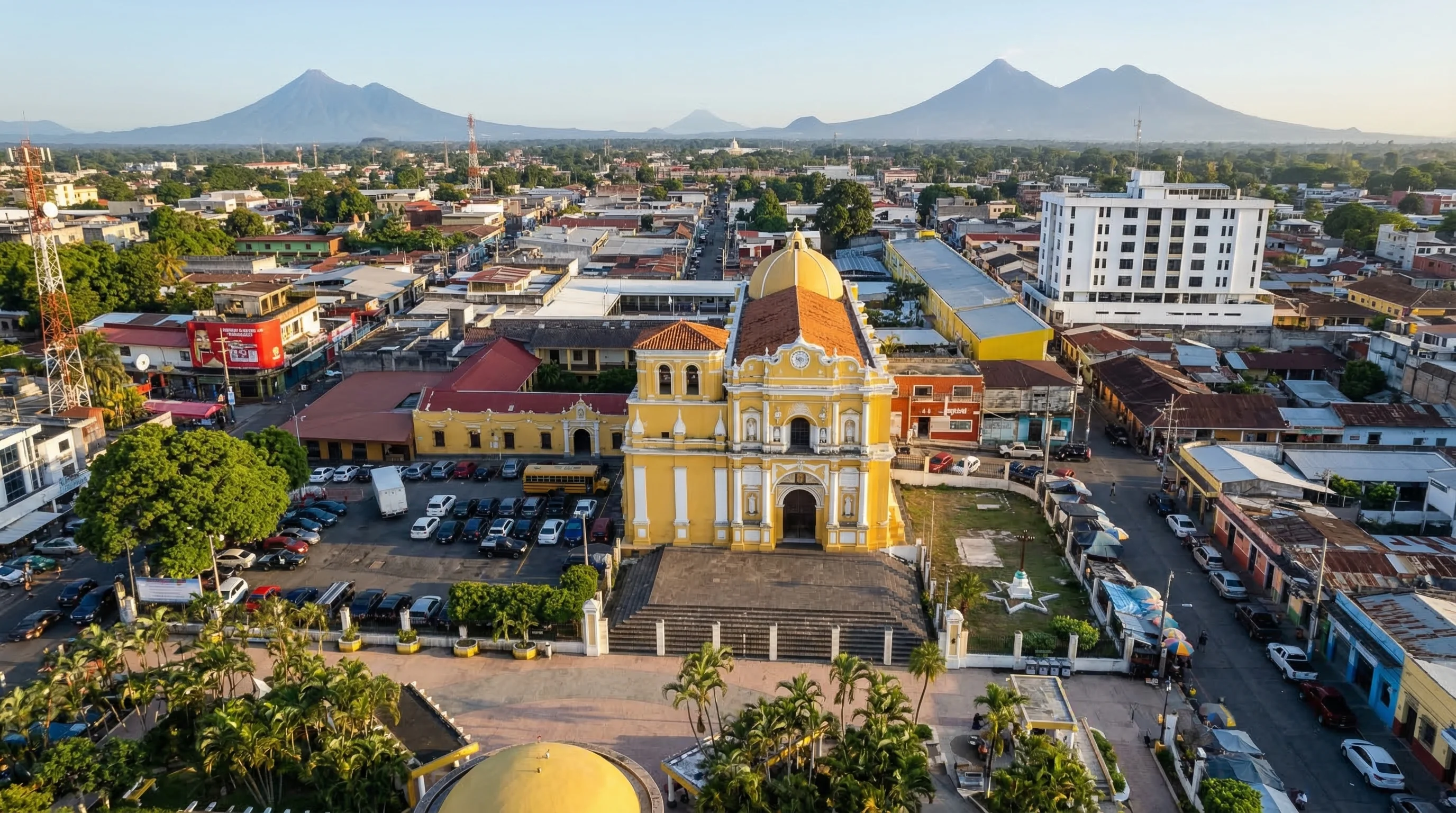 Origin
Escuintla, located on Guatemala's southern coast, is a strategic logistics epicenter due to its proximity to the country's main seaport, Puerto Quetzal, and its position as the nation's industrial capital. This city serves as the primary manufacturing and export hub for Guatemala, with its economy dominated by food and beverage processing, textile manufacturing, and chemical production. The region's agricultural richness supports large-scale sugar, coffee, and banana exports. Its infrastructure is highly developed for freight, featuring direct access to the CA-1 highway, which is the main arterial road connecting the port to the rest of the country and the border with Mexico. Furthermore, rail lines connect the port area to industrial zones, providing multimodal options. For shippers, Escuintla offers a consolidated origin point with established port facilities, industrial parks, and a carrier network experienced in handling export-focused cargo, making it an ideal launchpad for cross-border freight destined for North America.
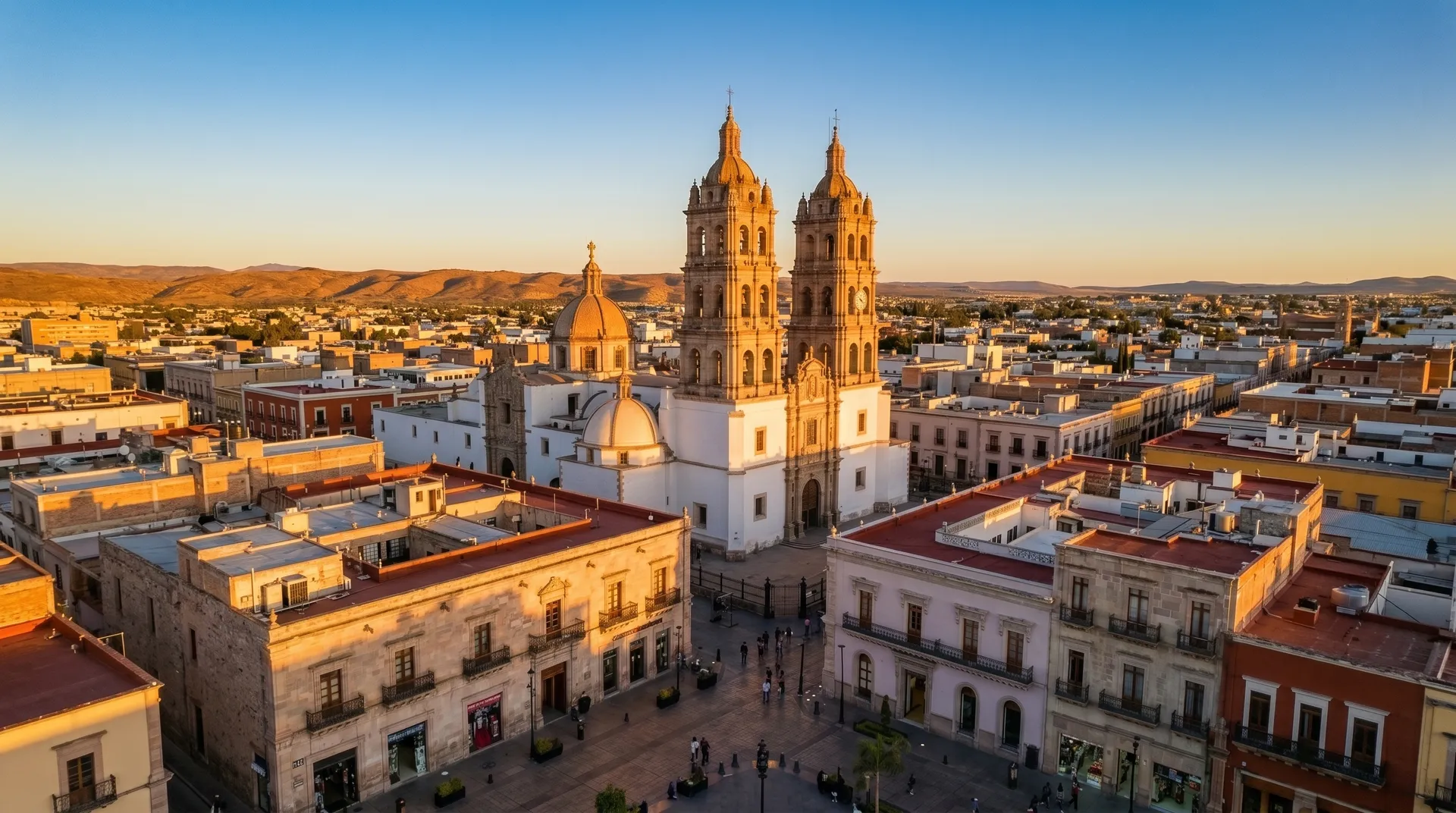 Destination
Durango, the capital of the state of Durango, is a pivotal logistics and industrial destination in northern Mexico. Its strategic value stems from its central location within the mineral-rich Sierra Madre Occidental and its role as a gateway to the massive La Laguna industrial region (spanning Durango and Coahuila), a major center for textiles, food processing, and manufacturing. The state's economy is historically rooted in mining (silver, gold, base metals) and forestry, with growing sectors in automotive parts and general manufacturing. The city is exceptionally well-connected via major federal highways, most notably Highway 49, which provides a direct corridor south to the Mexico City area and north towards the U.S. border. It also serves as a rail hub with significant connections. For logistics, Durango offers extensive warehouse and distribution infrastructure, supported by a network of carriers specializing in serving the region's heavy industries and cross-border trade flows, making it a crucial node for inbound raw materials and outbound finished goods.










