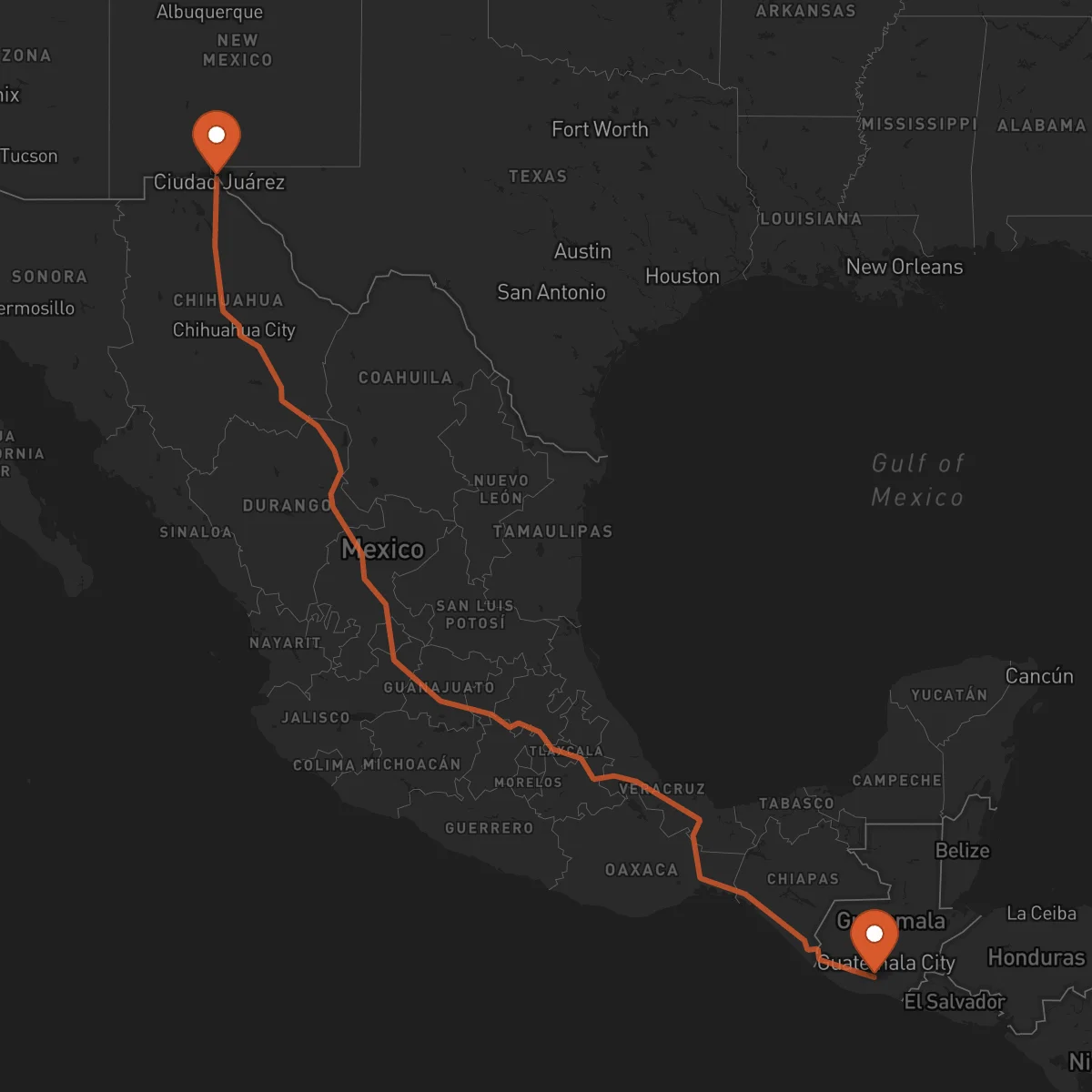
El Paso to Escuintla
Escuintla → El PasoFTL freight transportation service between El Paso and Escuintla. Reliable logistics solutions for your business.
Route Description
Everything you need to know about the corridor El Paso - Escuintla
The El Paso to Escuintla corridor represents a vital cross-border logistics route connecting the industrial hub of West Texas with Guatemala's strategic Pacific port region. This 2,513 km transportation corridor serves as a critical link between North American manufacturing and Central American distribution networks. The route traverses diverse terrain and crosses multiple international borders, making it essential for companies engaged in regional trade and supply chain operations.
The corridor's strategic importance stems from its connection between El Paso's manufacturing centers and Escuintla's role as Guatemala's industrial and agricultural heartland. Companies utilize this route for transporting everything from automotive parts and electronics to agricultural products and consumer goods. The journey typically follows major highway systems through Mexico and Guatemala, utilizing established border crossing points that facilitate efficient cargo movement between countries.
Control Terrestre specializes in managing the complexities of this cross-border corridor, providing full truckload (FTL) services that ensure your cargo moves efficiently from origin to destination. Our expertise in handling customs documentation, border procedures, and regional regulations helps minimize delays and complications. We maintain strong relationships with trusted carriers who understand the specific requirements of this route, ensuring your freight receives professional handling throughout its journey from El Paso to Escuintla.
Services for this Route
Available services for the corridor El Paso - Escuintla
 Origin
El Paso
El Paso, Texas serves as a strategic logistics gateway positioned on the U.S.-Mexico border, offering exceptional connectivity for cross-border freight operations. The city's location provides direct access to major transportation networks including Interstate 10, which connects to both coasts of the United States. El Paso's economy is driven by manufacturing, particularly in electronics, automotive components, and industrial equipment, making it a significant origin point for freight destined throughout North and Central America.
The city boasts sophisticated transportation infrastructure including the El Paso International Airport, multiple rail terminals operated by major carriers, and extensive highway systems. The Ysleta-Zaragoza Port of Entry facilitates efficient cross-border movement into Mexico, while the city's proximity to major Mexican industrial centers enhances its role as a logistics hub. El Paso's C-TPAT certification and participation in trusted trader programs ensure expedited processing for qualified freight, making it an ideal starting point for cross-border shipments.
 Destination
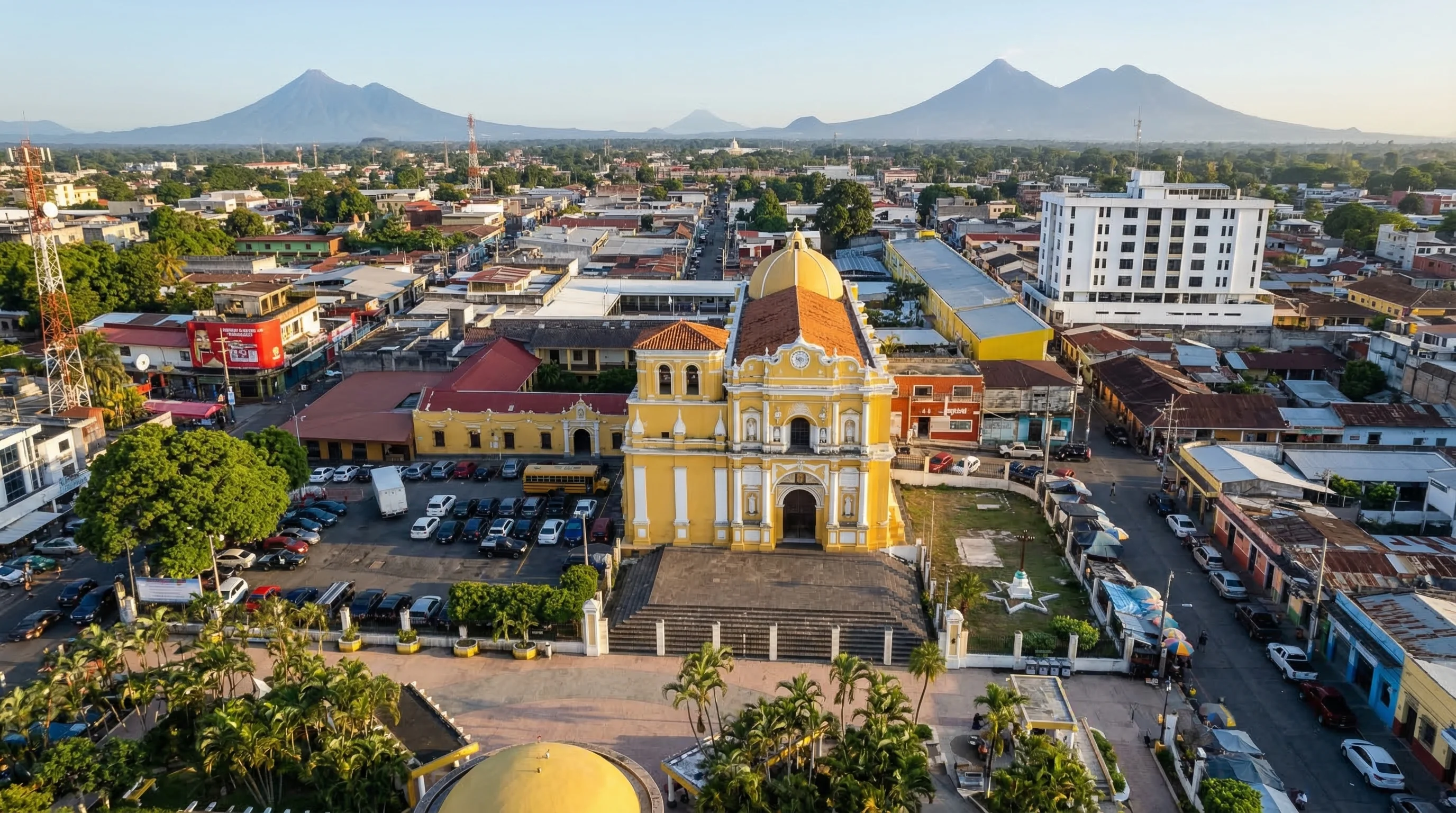
Escuintla, Guatemala occupies a strategic position on the country's Pacific coast, serving as a crucial gateway for international trade and domestic distribution. The region's proximity to Puerto Quetzal, Guatemala's largest Pacific port, provides exceptional maritime connectivity for both import and export operations. Escuintla's economy thrives on agriculture, food processing, and light manufacturing, with the area producing significant quantities of sugar, coffee, and other agricultural products that require efficient transportation to both domestic and international markets.
The city benefits from well-developed transportation infrastructure including the CA-2 highway that connects to Guatemala City and other major urban centers. The region's road network provides reliable access to the capital and other key destinations throughout the country. Escuintla's location makes it an ideal distribution point for companies serving the Central American market, with its transportation links facilitating efficient movement of goods to surrounding countries. The area's industrial parks and logistics facilities support modern supply chain operations, while its proximity to the port ensures seamless integration between maritime and overland transportation.










