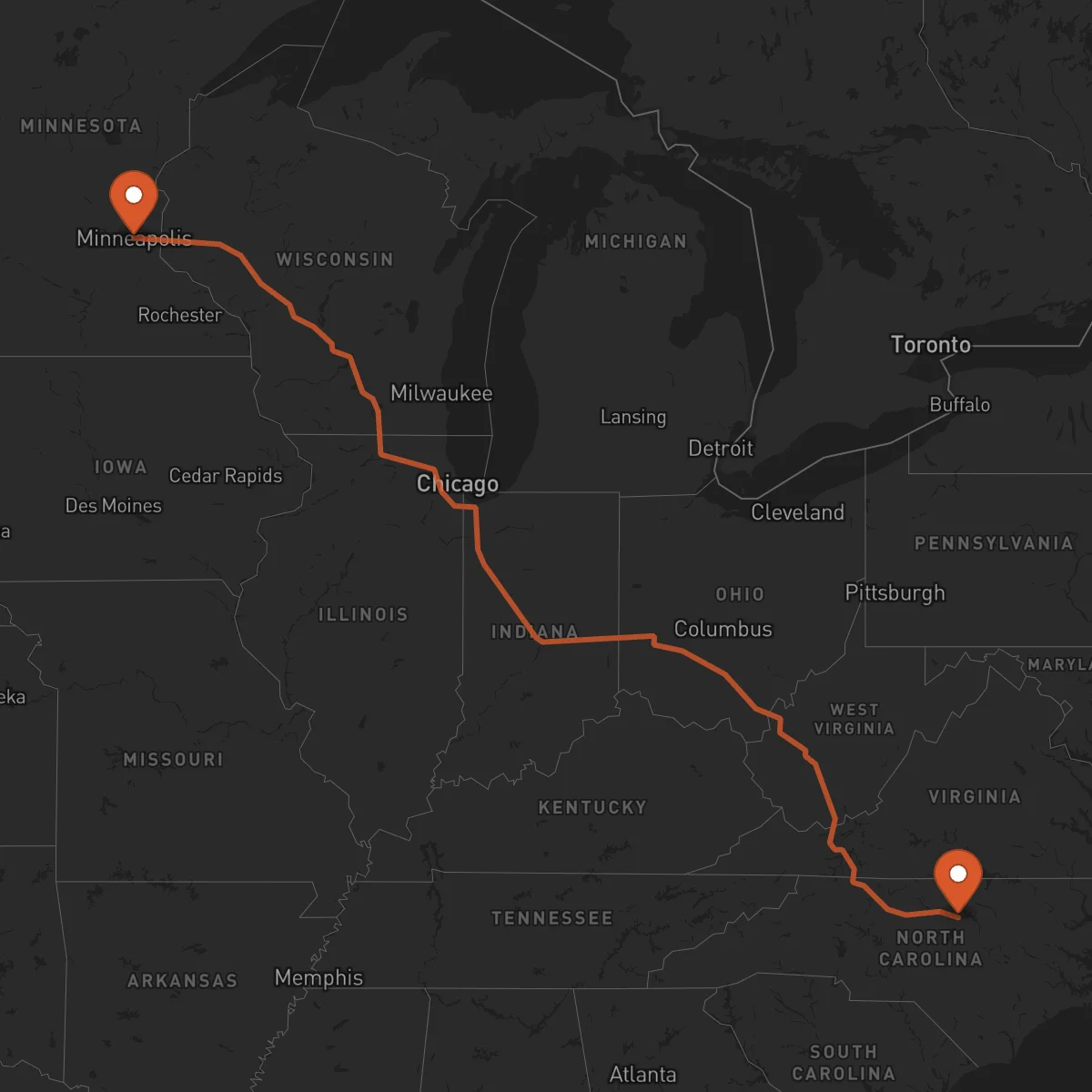
Durham to Minneapolis
Minneapolis → DurhamFTL freight transportation service between Durham and Minneapolis. Reliable logistics solutions for your business.
Route Description
Everything you need to know about the corridor Durham - Minneapolis
The Durham to Minneapolis corridor represents a vital transportation link connecting North Carolina's Research Triangle with the economic powerhouse of the Upper Midwest. This 1569 km route traverses diverse landscapes and crosses multiple state lines, serving as a critical artery for freight movement between the Southeast and the Great Lakes region.
The corridor passes through key economic zones including the Piedmont region of North Carolina, the Appalachian foothills of Virginia, the industrial heartland of Ohio, and the agricultural belt of Wisconsin before reaching Minneapolis. Major interstate highways such as I-85, I-74, I-74, I-70, I-90, and I-94 form the backbone of this transportation route, providing multiple options for efficient freight movement.
This route serves numerous industries including technology and pharmaceuticals from the Research Triangle, automotive manufacturing from the Midwest, agricultural products from the Heartland, and retail distribution centers throughout the corridor. The diverse industrial base creates consistent demand for full truckload services, with both inbound and outbound freight volumes maintaining year-round activity.
Control Terrestre optimizes freight movement along this corridor through our network of certified transportation providers. Our strategic partnerships ensure reliable capacity, real-time tracking capabilities, and seamless cross-border operations where applicable. We provide dedicated full truckload solutions that minimize handling and reduce transit times, while our experienced logistics team manages all aspects of the transportation process to ensure your cargo reaches its destination safely and efficiently.
Services for this Route
Available services for the corridor Durham - Minneapolis
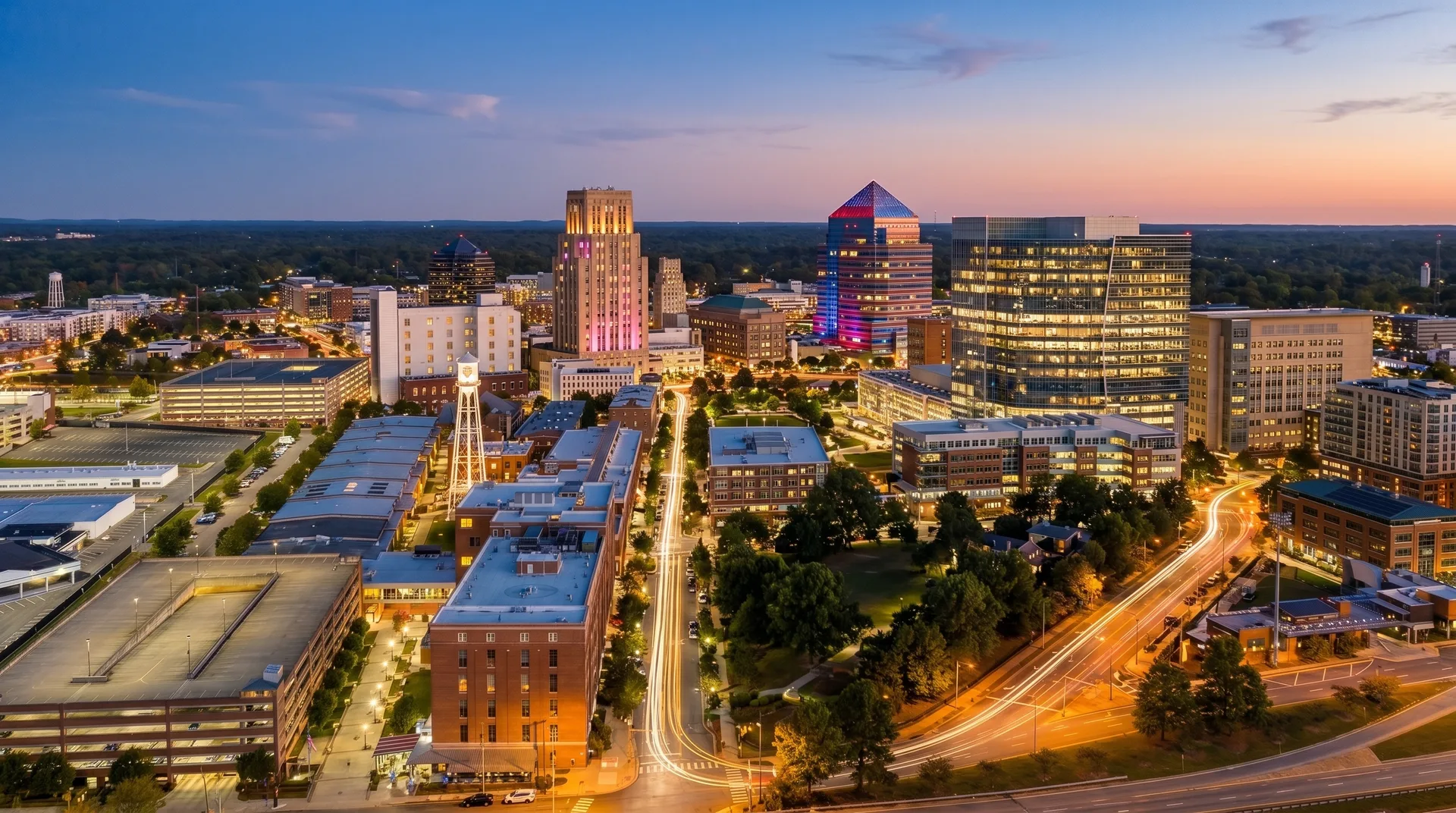 Origin
Durham
Durham, North Carolina serves as a strategic logistics hub in the Research Triangle region, offering excellent connectivity to major East Coast markets. The city benefits from proximity to Raleigh-Durham International Airport and access to major highways including I-85 and I-40, facilitating efficient distribution throughout the Southeast. Durham's location provides a competitive advantage for companies seeking to reach both coastal and inland markets within a day's drive.
The region's economy is anchored by technology, healthcare, and education sectors, with major employers including Duke University, Duke Health, and numerous biotechnology firms. The presence of Research Triangle Park, one of the largest research parks in the United States, creates substantial demand for specialized freight services supporting the technology and pharmaceutical industries. Additionally, Durham's growing manufacturing sector and robust retail distribution network contribute to consistent freight volumes requiring full truckload transportation solutions.
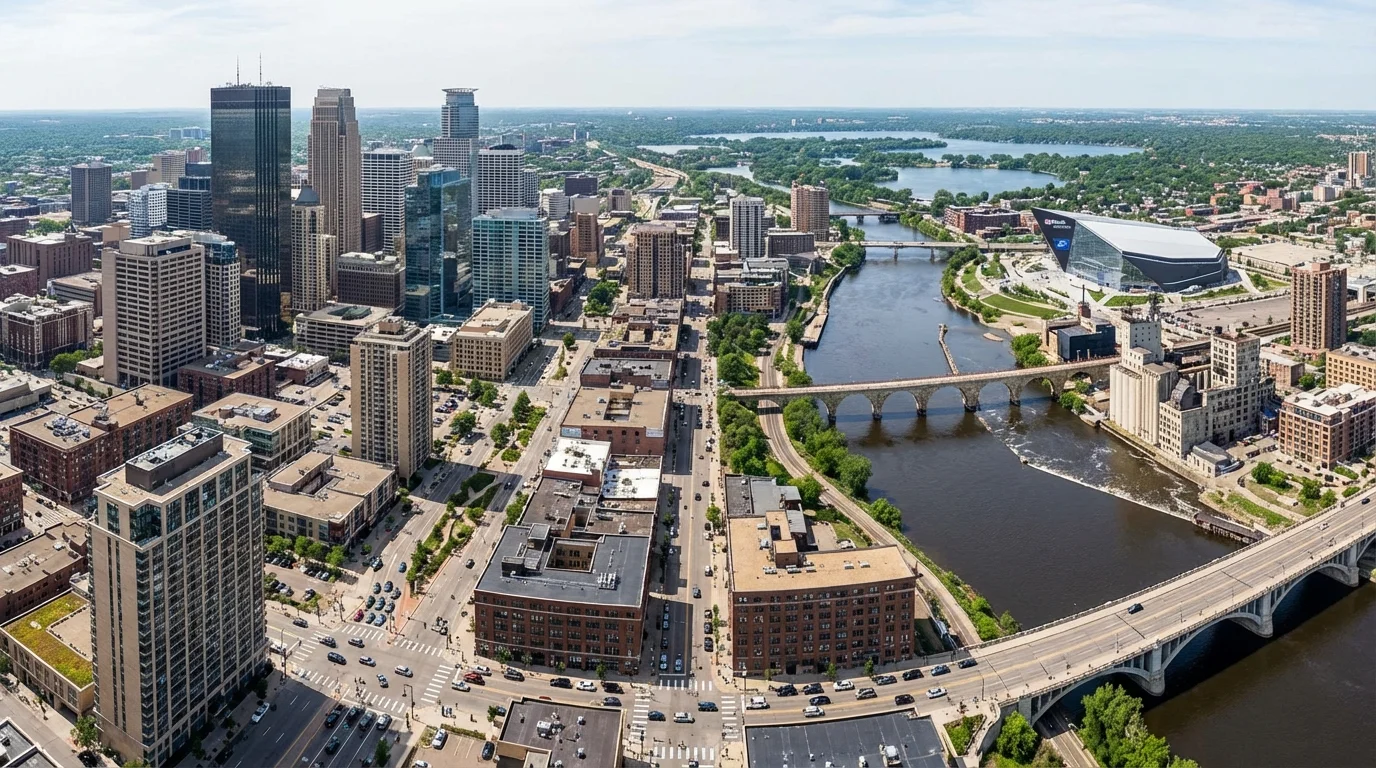 Destination
Minneapolis
Minneapolis, Minnesota stands as a premier logistics hub in the Upper Midwest, strategically positioned to serve both regional and national markets. The city's location at the crossroads of major interstate highways I-35 and I-94 provides excellent connectivity to the Great Lakes region, the Dakotas, and beyond. Minneapolis-Saint Paul International Airport and the extensive network of rail lines further enhance the city's multimodal transportation capabilities, making it an ideal destination for freight distribution.
The Minneapolis economy is diverse and robust, with strong representation in retail (home to several Fortune 500 companies), healthcare, finance, and food processing industries. The region's agricultural heritage continues to influence its economic landscape, with food manufacturing and agricultural equipment production remaining significant contributors to freight volumes. Minneapolis also serves as a major distribution center for e-commerce and retail operations, creating substantial demand for full truckload freight services to support inventory management and supply chain operations throughout the Midwest.










