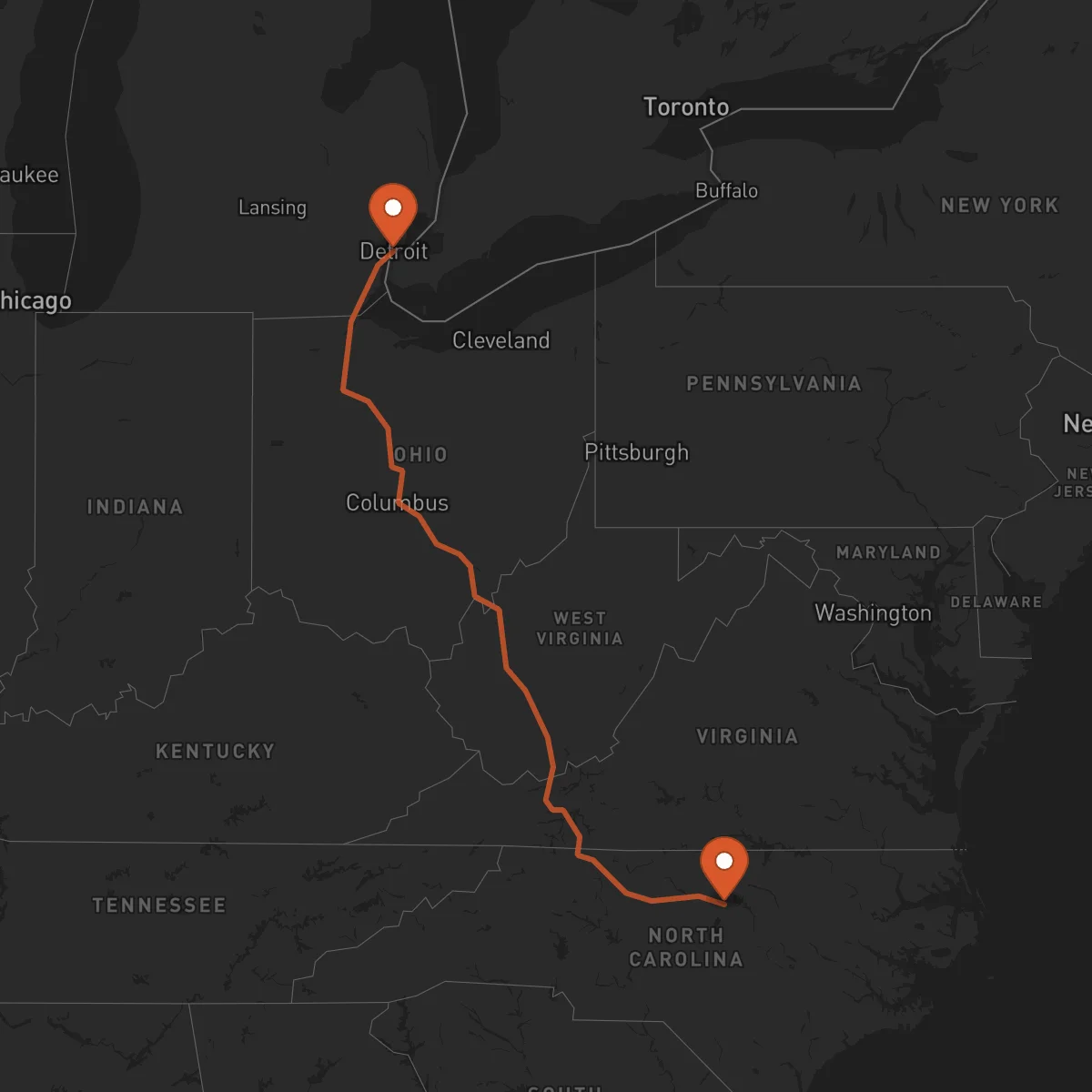
Durham to Detroit
Detroit → DurhamFTL freight transportation service between Durham and Detroit. Reliable logistics solutions for your business.
Route Description
Everything you need to know about the corridor Durham - Detroit
The logistics corridor connecting Durham, North Carolina to Detroit, Michigan represents a vital transportation link spanning approximately 789 kilometers across the eastern United States. This strategic route traverses the heart of America's manufacturing and technology corridor, connecting the Research Triangle's innovation ecosystem with the Motor City's automotive manufacturing powerhouse. The corridor serves as a critical artery for North American supply chains, facilitating the movement of goods between the Southeast's growing industrial base and the Midwest's established manufacturing centers.
The economic significance of this corridor cannot be overstated. Durham, situated in North Carolina's Research Triangle, has emerged as a hub for technology, pharmaceuticals, and advanced manufacturing, while Detroit remains the epicenter of automotive production and engineering excellence. This complementary economic relationship creates substantial freight demand, with companies requiring reliable transportation solutions to move everything from automotive components and electronic equipment to pharmaceutical products and industrial machinery.
Transportation infrastructure along this corridor is robust, primarily utilizing Interstate 85 and Interstate 75, two of the nation's most heavily traveled freight routes. These highways provide direct, efficient connections between major distribution centers, manufacturing facilities, and ports. Control Terrestre leverages this infrastructure through our network of certified transportation providers, offering dedicated full truckload (FTL) services that ensure your cargo moves seamlessly from origin to destination. Our strategic partnerships with carriers along this route enable us to provide consistent, reliable service tailored to the specific needs of industries operating between these two economic powerhouses.
Services for this Route
Available services for the corridor Durham - Detroit
 Origin
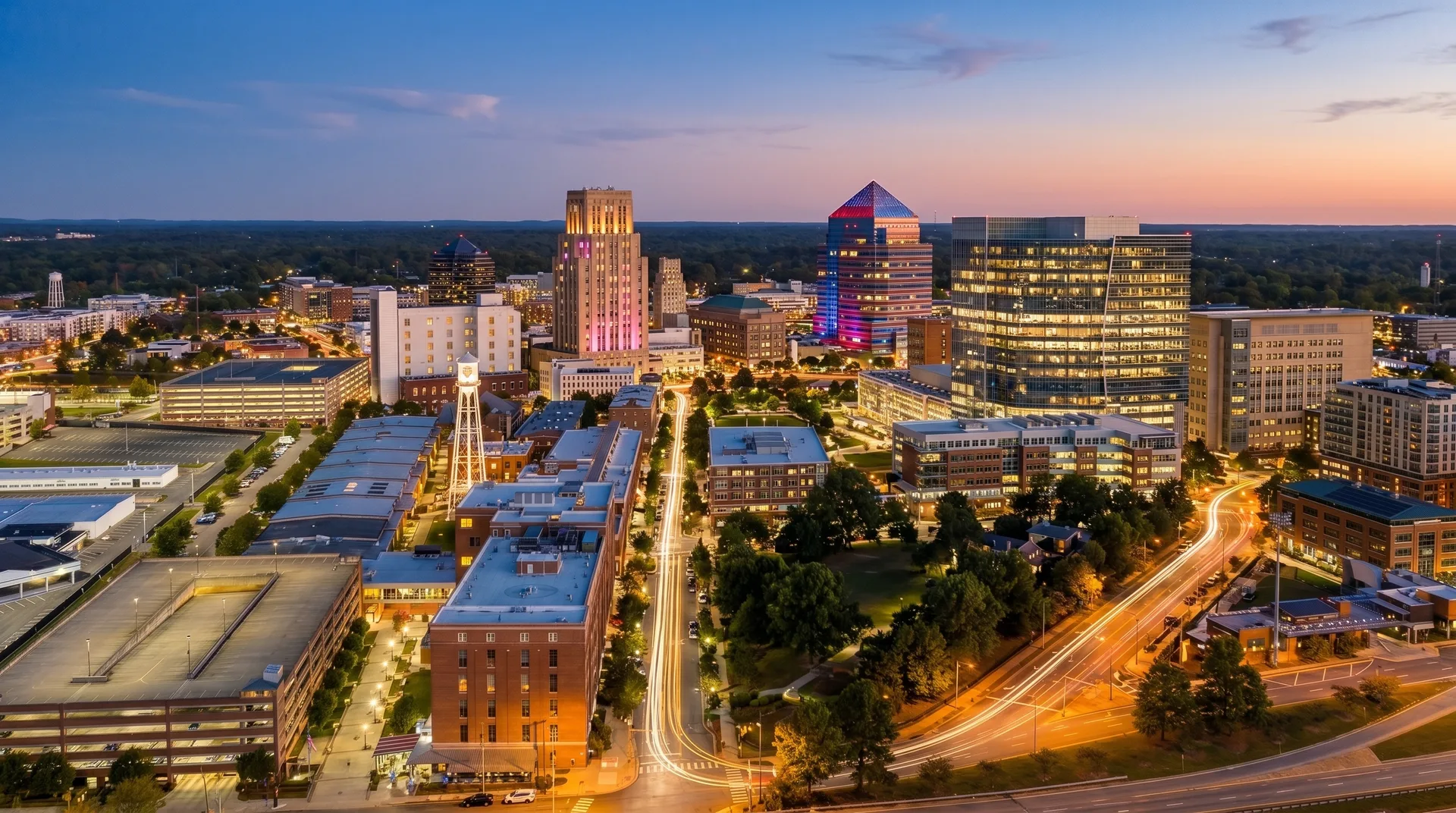
Durham
Durham, North Carolina serves as a strategic logistics hub within the Research Triangle, benefiting from its proximity to major transportation networks and a skilled workforce. The city's location provides excellent access to Interstate 85, facilitating efficient connections to both the Southeast and Midwest regions. Durham's infrastructure includes the Raleigh-Durham International Airport, multiple rail terminals, and a network of well-maintained highways that support just-in-time delivery requirements for local industries.
The economic landscape of Durham is characterized by its strong presence in technology, healthcare, and education sectors. Home to Duke University and numerous research institutions, the area has become a magnet for biotechnology firms, pharmaceutical companies, and advanced manufacturing operations. These industries generate substantial freight demand, particularly for specialized cargo such as medical equipment, laboratory supplies, and high-tech components that require dedicated transportation solutions with strict handling protocols.
 Destination
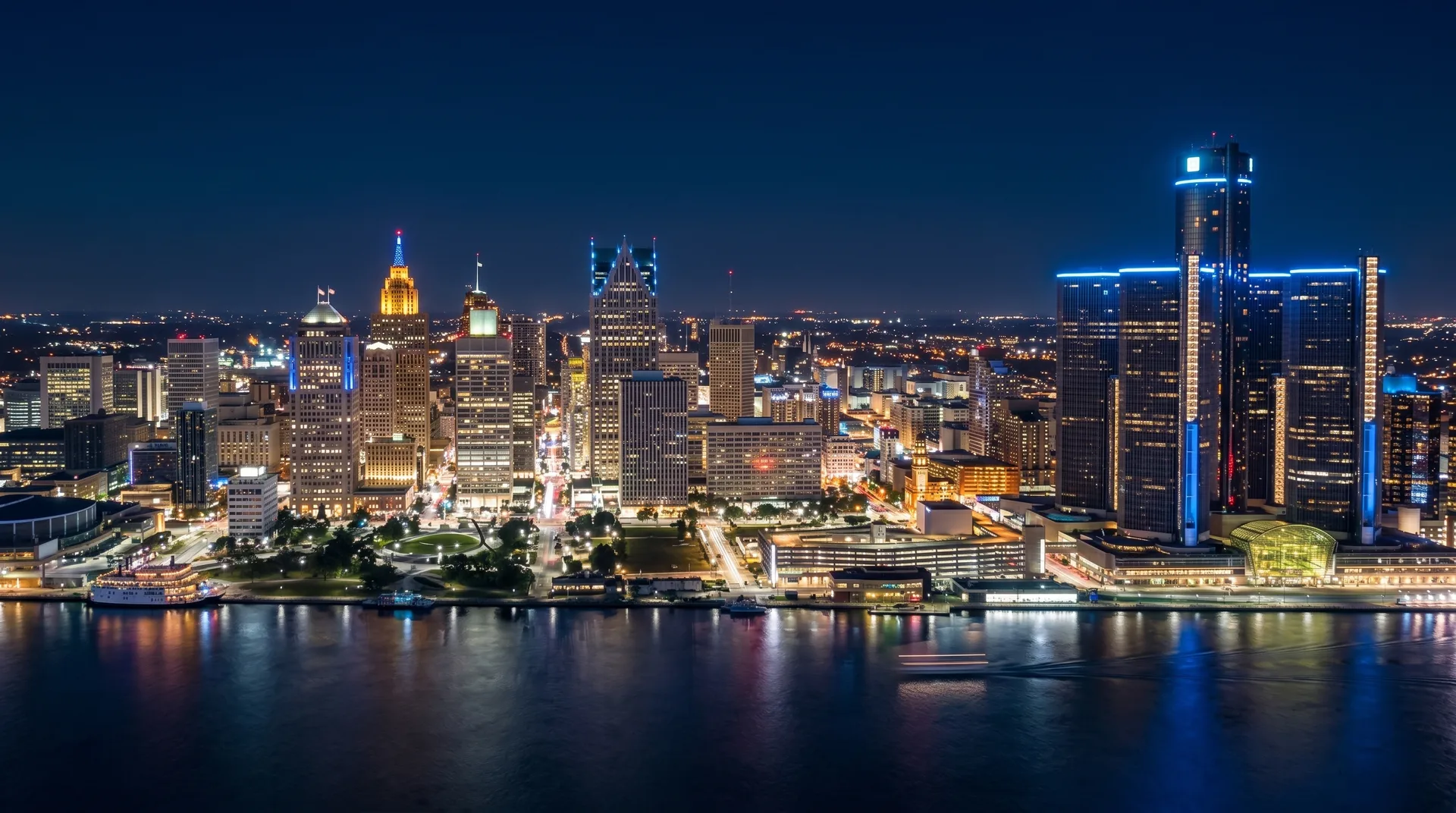
Detroit
Detroit, Michigan stands as a strategic logistics center in the Midwest, offering unparalleled access to North America's automotive manufacturing heartland. The city's location provides direct connections to major interstate highways, including I-75, I-94, and I-96, creating a comprehensive transportation network that links Detroit to Chicago, Canada, and the broader Great Lakes region. The Ambassador Bridge and Detroit-Windsor Tunnel facilitate crucial cross-border trade with Canada, while the Port of Detroit on the Detroit River provides additional multimodal transportation options.
Detroit's economy remains deeply rooted in automotive manufacturing, with the Big Three automakers and their extensive supplier networks driving substantial freight activity. The region has also diversified into advanced manufacturing, defense contracting, and technology sectors, creating demand for specialized transportation services. Detroit's industrial parks and manufacturing facilities require reliable full truckload (FTL) services to move heavy equipment, automotive components, and finished vehicles, making it a critical destination for freight transportation along the eastern United States corridor.










