Durham to Cheyenne
Cheyenne → DurhamFTL freight transportation service between Durham and Cheyenne. Reliable logistics solutions for your business.
Route Description
Everything you need to know about the corridor Durham - Cheyenne
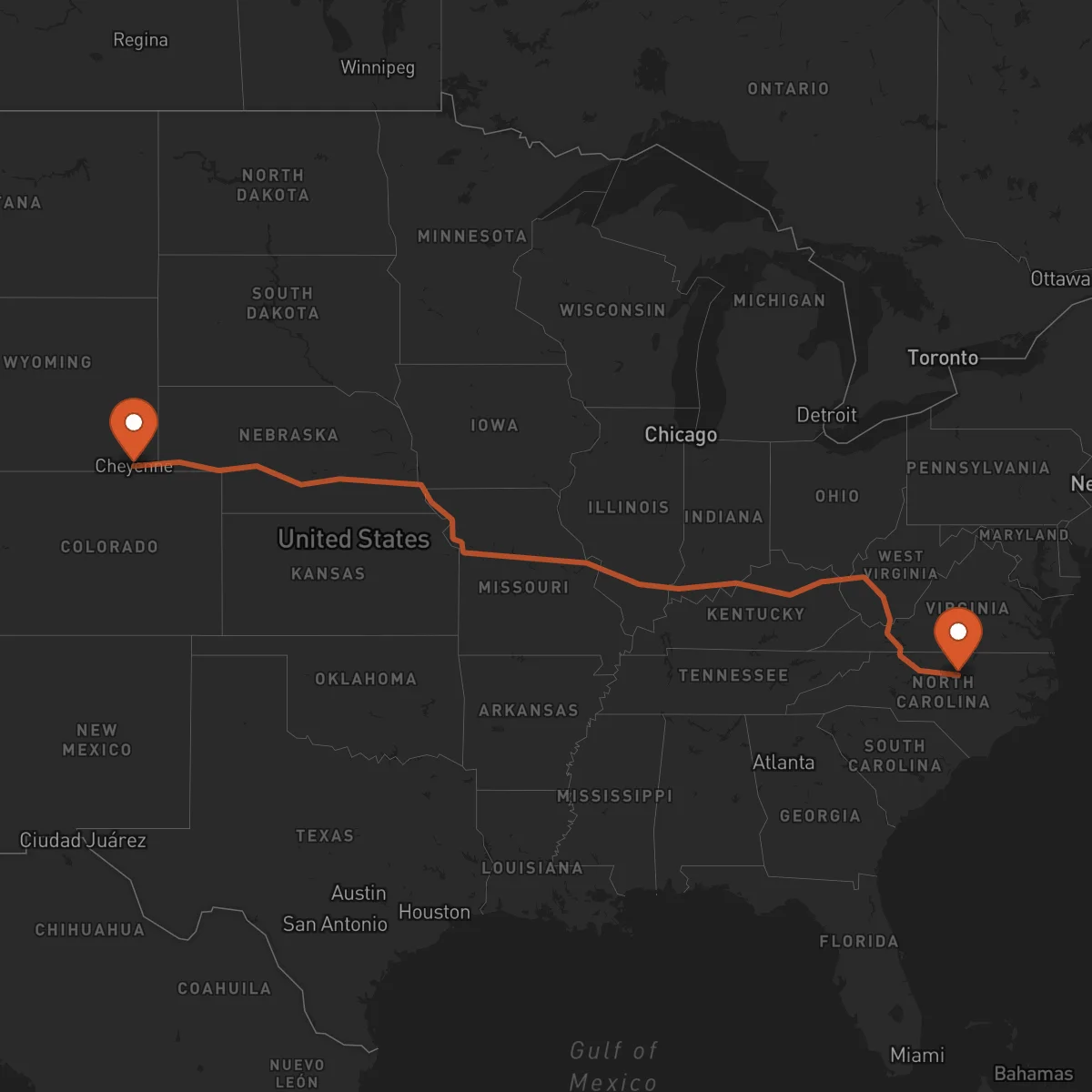
The Durham to Cheyenne corridor represents a vital freight transportation route connecting the Research Triangle of North Carolina with the capital of Wyoming. This 2,316 km journey traverses diverse landscapes and connects major economic regions across the United States. The corridor primarily follows Interstate 40 West and Interstate 25 North, providing reliable access through the heart of America's transportation network. This route serves as a crucial link for businesses moving goods between the Southeast and the Mountain West regions.
The economic significance of this corridor spans multiple industries. Durham's thriving technology, research, and pharmaceutical sectors generate substantial freight volume moving westward, while Cheyenne's energy, agriculture, and logistics industries create demand for inbound shipments. The corridor facilitates the movement of specialized cargo including high-tech equipment, industrial machinery, and temperature-sensitive pharmaceuticals from North Carolina's research facilities to Wyoming's distribution centers and energy operations.
Control Terrestre specializes in full truckload (FTL) services along this corridor, offering dedicated transportation solutions that ensure cargo moves efficiently from origin to destination. Our experienced carrier network provides reliable capacity and real-time tracking capabilities, allowing businesses to maintain visibility throughout the journey. We understand the unique requirements of cross-country freight movements and provide customized solutions for time-sensitive, high-value, or specialized cargo traveling between these strategic locations.
Services for this Route
Available services for the corridor Durham - Cheyenne
 Origin
Durham
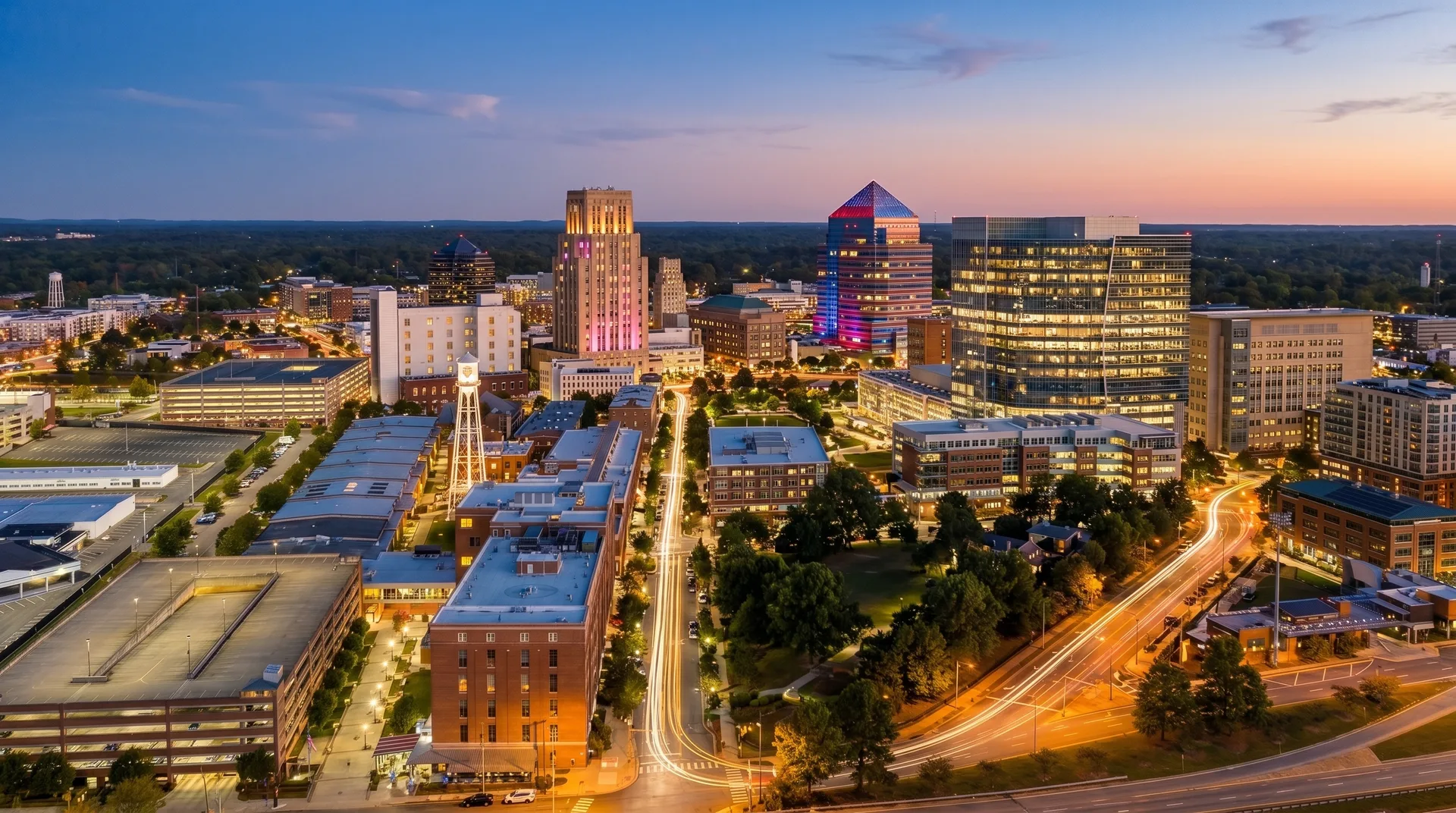
Durham, North Carolina serves as a strategic logistics hub in the Research Triangle, benefiting from its proximity to major research universities and a robust technology sector. The city's location provides excellent access to the Port of Virginia and other East Coast ports, making it ideal for companies requiring efficient distribution networks. Durham's infrastructure includes multiple interstate highways, including I-85 and I-40, which facilitate rapid connections to major markets across the eastern United States. The area's concentration of pharmaceutical companies, biotechnology firms, and research institutions generates consistent demand for specialized freight services.
The region's economic strength lies in its diverse industrial base, with healthcare, education, and technology sectors driving freight generation. Durham's airport offers cargo services, complementing the extensive ground transportation network. The city's logistics ecosystem includes numerous warehousing and distribution facilities strategically positioned to serve both local and national markets. This infrastructure, combined with a skilled workforce and business-friendly environment, makes Durham an ideal origin point for freight shipments heading west to destinations like Cheyenne.
 Destination
Cheyenne
Cheyenne, Wyoming stands as a strategic logistics hub for the Mountain West region, leveraging its location at the intersection of major transportation corridors. The city's position along Interstate 25 and its proximity to Interstate 80 provides excellent connectivity to both regional and national markets. Cheyenne's infrastructure includes a modern airport, extensive rail connections, and a well-developed highway network that facilitates efficient freight movement. The city's central location within the Mountain Time Zone makes it an ideal distribution point for companies serving the western United States.
The local economy centers around government services, energy production, and agriculture, creating diverse freight transportation needs. Cheyenne's status as Wyoming's capital ensures consistent government-related freight movements, while the surrounding region's energy sector generates demand for specialized equipment and materials. The city's logistics infrastructure includes modern warehousing facilities and a Foreign Trade Zone, supporting both domestic and international freight operations. These factors combine to make Cheyenne a strategic destination for freight shipments from across the country, including the important corridor from Durham.










