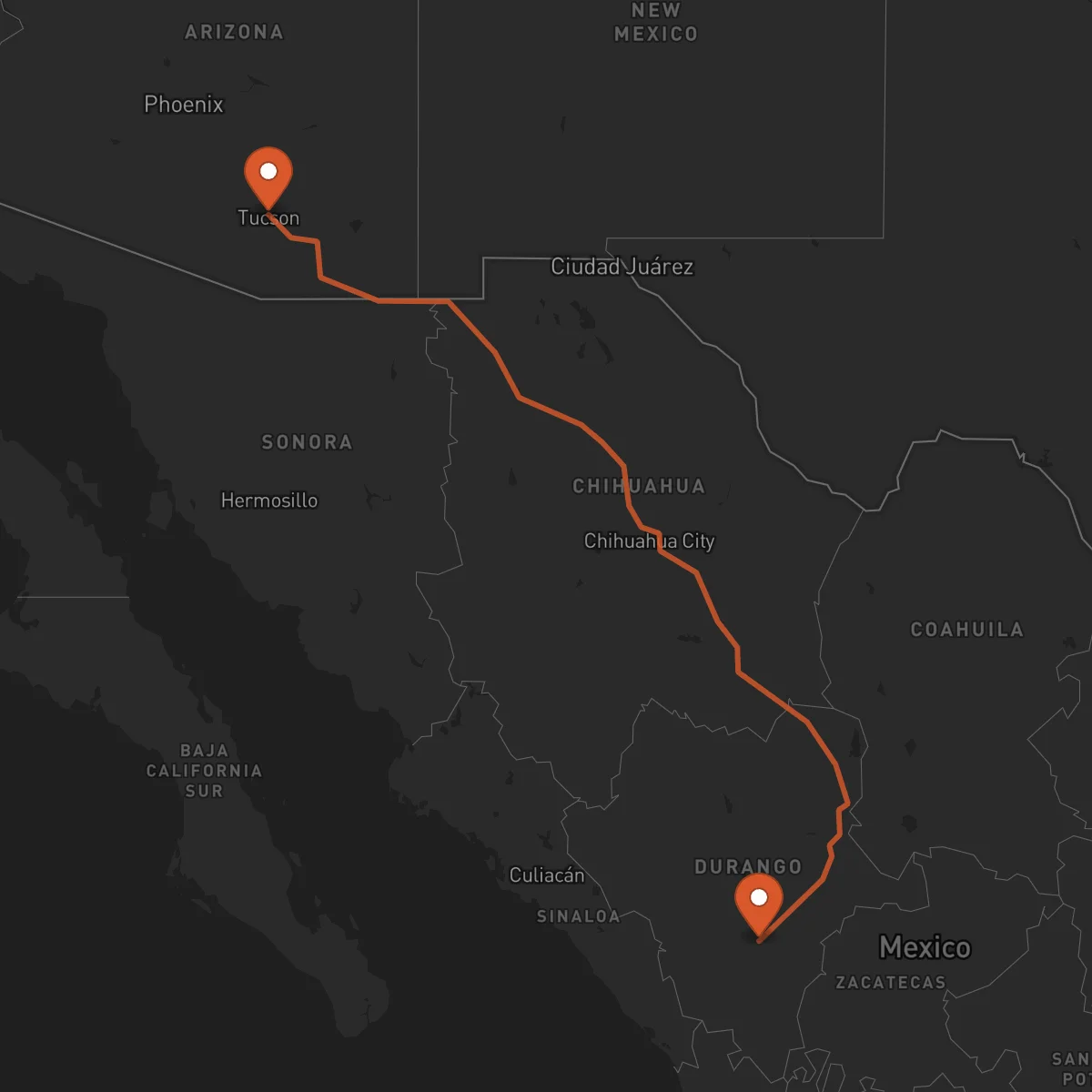
Durango to Tucson
Tucson → DurangoFTL freight transportation service between Durango and Tucson. Reliable logistics solutions for your business.
Route Description
Everything you need to know about the corridor Durango - Tucson
The Durango to Tucson corridor represents a vital cross-border connection between Mexico's central-northern region and the southwestern United States. This strategic route spans approximately 1,104 kilometers and facilitates the movement of goods between Durango's industrial base and Arizona's dynamic commercial markets. The corridor leverages key transportation infrastructure including Mexico's Federal Highway 45D and the United States' I-10, providing efficient transit for freight operations. Control Terrestre specializes in managing cross-border logistics along this corridor, ensuring seamless cargo movement through customs compliance and regulatory requirements at both the Mexican and U.S. borders.
Services for this Route
Available services for the corridor Durango - Tucson
 Origin
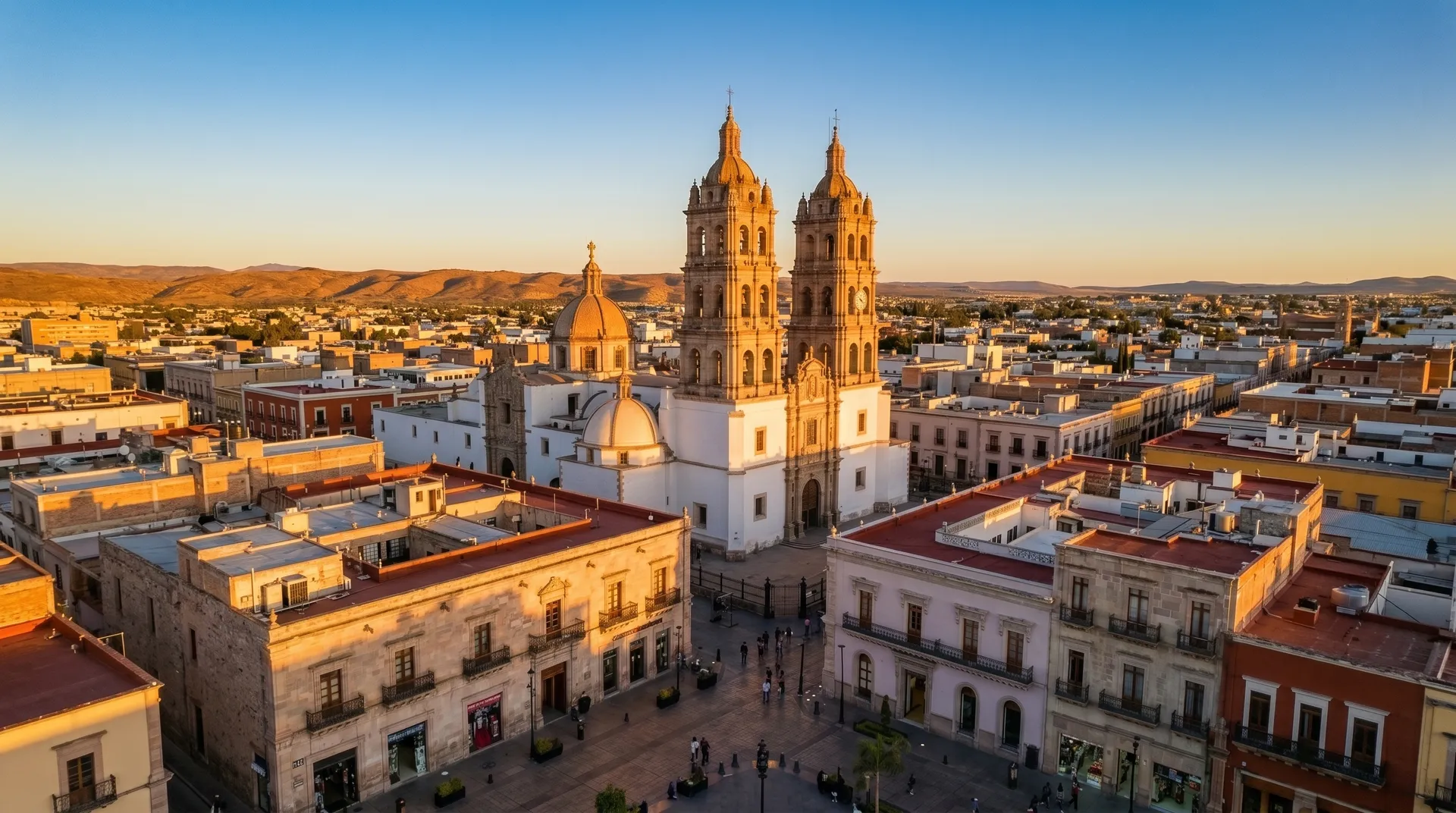
Durango serves as a strategic logistics hub in Mexico's central-northern region, with strong industrial foundations in mining, automotive manufacturing, and agricultural production. The city's location provides access to Mexico's central highway network, connecting to major industrial centers. Durango's transportation infrastructure includes modern highway systems and rail connections, facilitating efficient cargo movement to both Pacific and Gulf ports. The region's economic diversity, including electronics, textiles, and food processing industries, generates consistent freight demand for cross-border operations.
 Destination
Tucson
Tucson functions as a critical logistics gateway in southern Arizona, positioned strategically near the U.S.-Mexico border. The city's economy thrives on aerospace and defense industries, technology manufacturing, and distribution operations. Tucson's transportation infrastructure features extensive highway networks, including direct connections to major cross-border points, and proximity to the Port of Tucson for international freight. The region's logistics ecosystem benefits from its location as a distribution center for southwestern U.S. markets and its role in supporting cross-border trade with Mexico.










