Durango to Somoto
Somoto → DurangoFTL freight transportation service between Durango and Somoto. Reliable logistics solutions for your business.
Route Description
Everything you need to know about the corridor Durango - Somoto
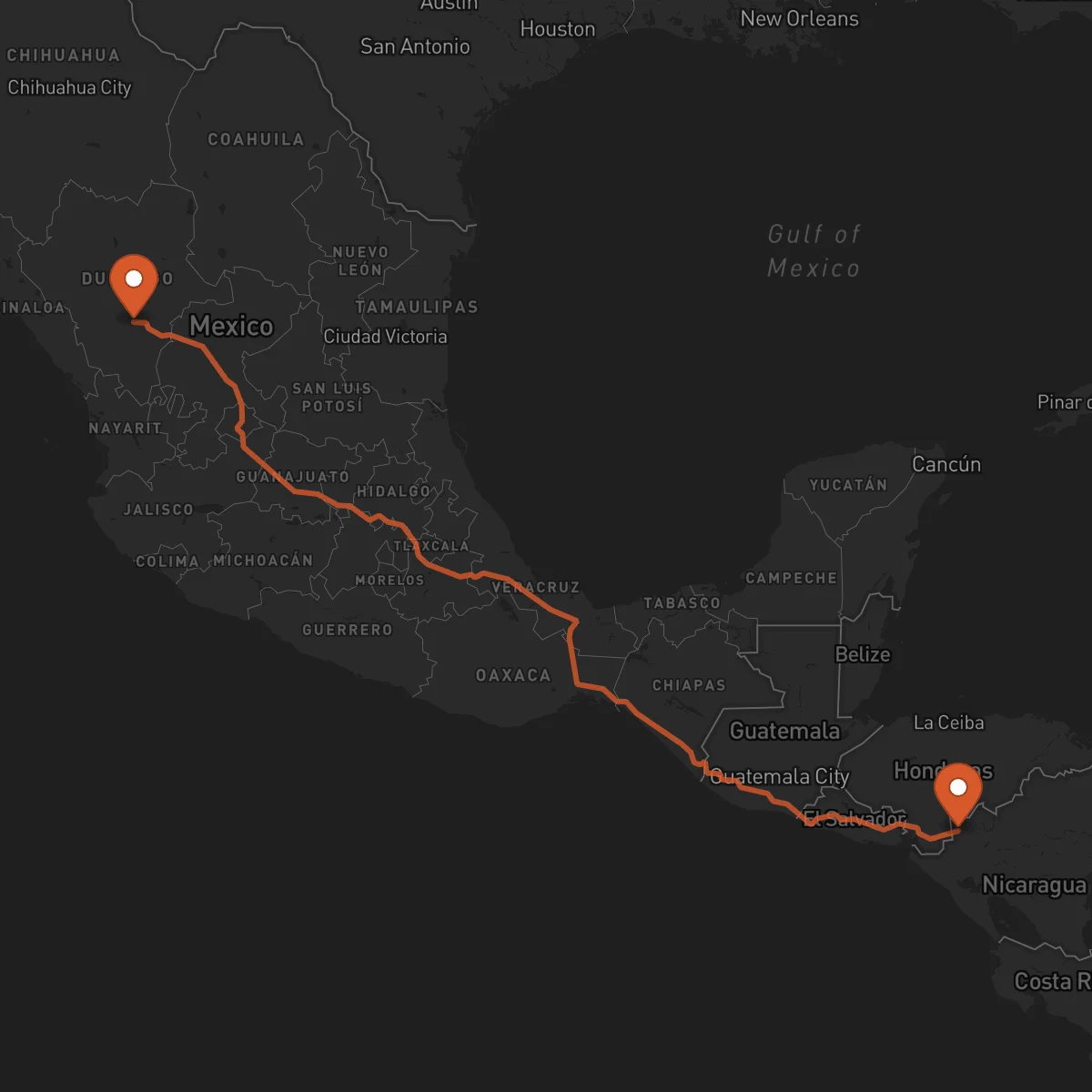
The Durango to Somoto corridor represents a critical north-south logistics artery connecting the industrial heartland of northern Mexico with the gateway to Central America. Spanning approximately 2,231 kilometers, this cross-border route traverses Mexico, Guatemala, Honduras, and Nicaragua, serving as a vital conduit for trade between these regions. Its strategic importance lies in linking Mexico's manufacturing and mining sectors with growing consumer and agricultural markets in Central America, facilitating the efficient movement of goods across multiple jurisdictions.
Economically, the corridor supports a diverse range of industries. From Durango, goods such as automotive parts, construction materials, processed foods, and industrial equipment are transported southbound. Conversely, northbound traffic often includes agricultural products like coffee, textiles, and raw materials from Nicaragua and Honduras destined for Mexican and U.S. markets. The corridor's efficiency directly impacts supply chain costs and reliability for companies operating across this transnational belt.
Key transportation infrastructure includes Mexico's Federal Highways 40 and 45, transitioning to the Pan-American Highway (CA-1) through Guatemala and Honduras. Critical border crossings include the Mexico-Guatemala border at Talisman/El Carmen, the Guatemala-Honduras border at Agua Zarca/El Florido, and the Honduras-Nicaragua border at Las Manos. Each crossing presents unique customs and regulatory processes. Control Terrestre facilitates seamless operations on this complex corridor through our robust alliance of certified providers. Our partners hold essential credentials including C-TPAT, FAST, and BASC, which streamline customs procedures and enhance security. We manage the full spectrum of cross-border documentation, coordination with local agents, and compliance with each nation's regulations, ensuring a singular point of contact for our clients. Our exclusive focus on Full Truckload (FTL) allows us to provide dedicated, door-to-door solutions tailored to the specific demands of this long-haul international route.
Services for this Route
Available services for the corridor Durango - Somoto
 Origin
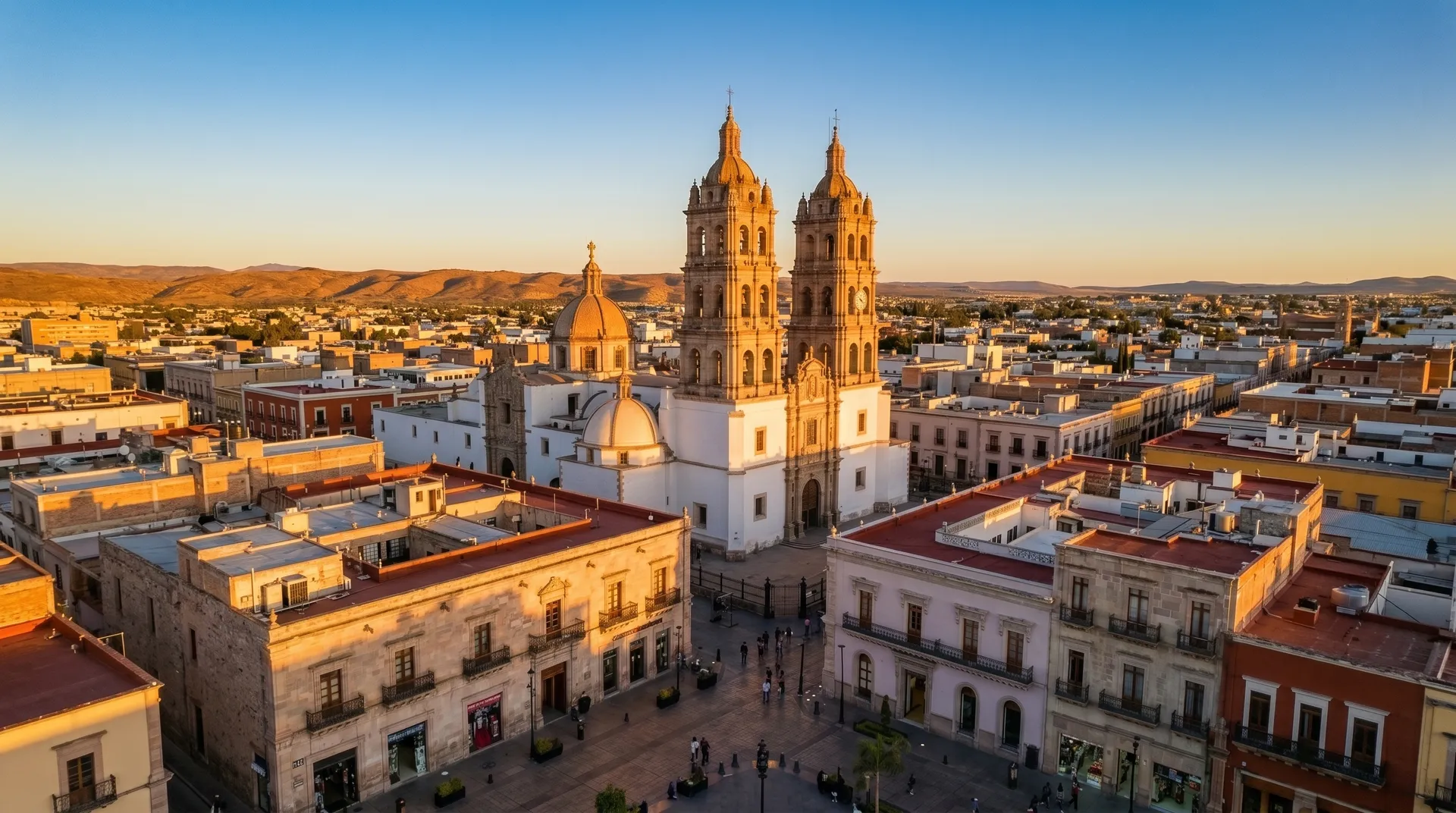
Durango, the capital of the state of Durango, is a pivotal logistics hub in northern Mexico. Its strategic location provides direct access to major industrial centers in the north and serves as a primary launching point for southbound shipments into Central America. The city and surrounding region are economically powered by robust mining (gold, silver, iron), a significant automotive manufacturing presence, and substantial agriculture and livestock production. This industrial base generates consistent demand for outbound freight transportation. The city is well-connected by major highway arteries, notably Federal Highway 40 which runs east-west to Mazatlán and Federal Highway 45 which runs north-south to Ciudad Juárez, integrating Durango into Mexico's primary domestic freight network. The presence of rail infrastructure further enhances its multimodal capabilities, making it an ideal origin point for long-haul international trucking.
 Destination
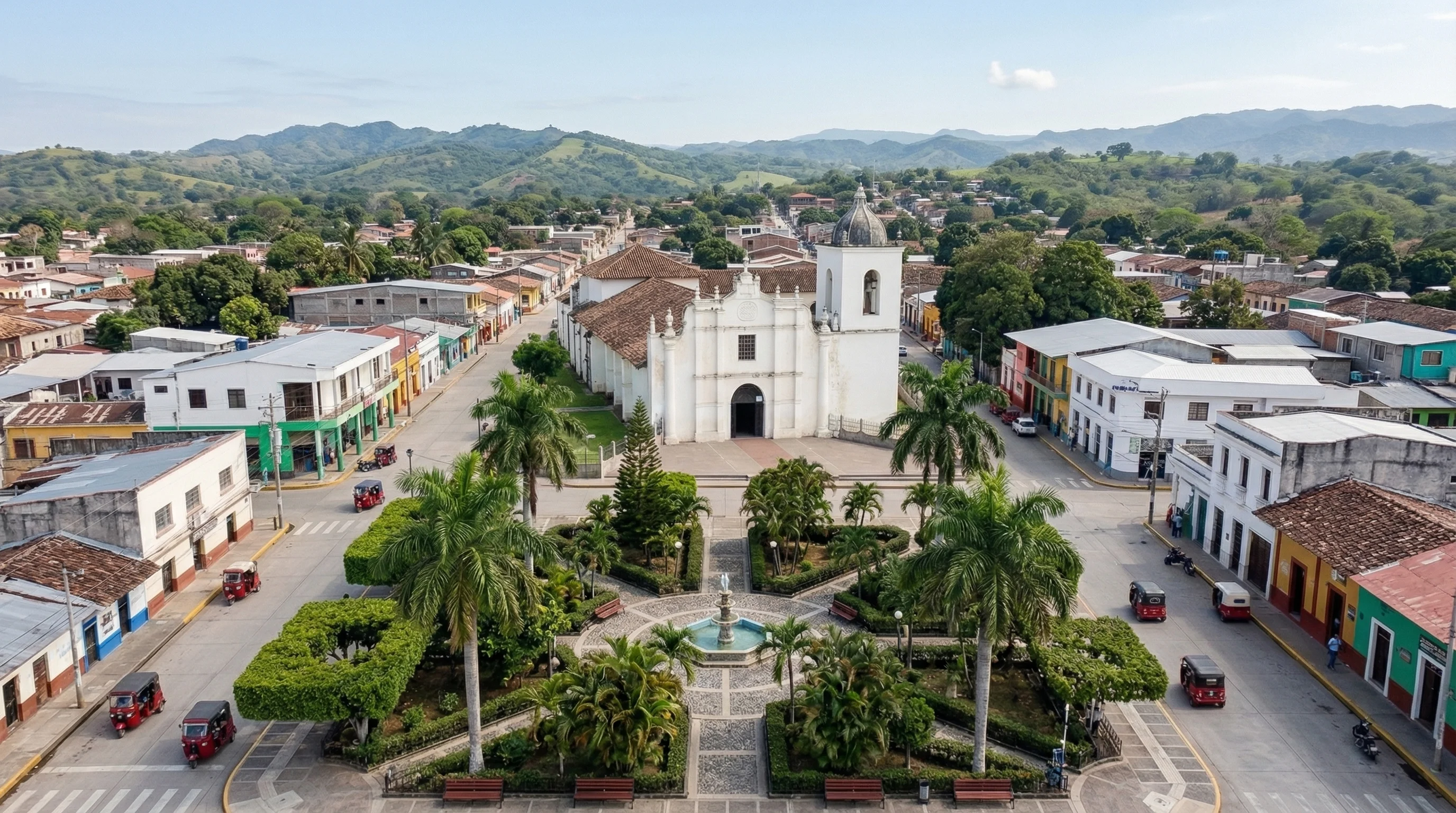
Somoto, located in the Madriz department of northern Nicaragua near the Honduran border, is a strategically important logistics gateway. Its position at the southern terminus of the Pan-American Highway in Nicaragua makes it a natural collection and distribution point for goods entering or leaving the country and the broader Central American region. The local and regional economy is heavily based on agriculture, particularly coffee production, along with livestock, textiles, and basic consumer goods manufacturing. This creates steady demand for both inbound raw materials and outbound finished products. Somoto's infrastructure is defined by its connection to the Pan-American Highway (CA-1), which is the main paved route connecting it to Managua and the rest of Nicaragua, and onward to the border crossings with Honduras. While the road network requires careful planning for long-haul rigs, it remains the essential overland corridor for freight moving to and from Nicaragua's northern regions.










