
Dallas to Somoto
Somoto → DallasFTL freight transportation service between Dallas and Somoto. Reliable logistics solutions for your business.
Route Description
Everything you need to know about the corridor Dallas - Somoto
The Dallas to Somoto corridor represents a vital cross-border logistics connection linking the industrial heart of Texas with the growing markets of northern Nicaragua. This 2,383 km route traverses multiple countries and serves as a strategic pathway for companies seeking to establish or strengthen their presence in Central American markets. The corridor connects the United States' largest inland port with one of Nicaragua's most dynamic border regions, facilitating the movement of goods between North and Central America.
The economic significance of this route extends beyond simple transportation. Dallas, as a major logistics hub, provides access to a vast network of suppliers, manufacturers, and distribution centers. Meanwhile, Somoto's location near the Honduran border positions it as a gateway for regional trade, offering companies the opportunity to serve multiple markets from a single point. This corridor is particularly valuable for industries looking to establish just-in-time delivery systems or expand their distribution networks across the Americas.
Key industries utilizing this corridor include automotive parts, electronics, consumer goods, and agricultural products. The route primarily follows major highways including I-35, which connects Dallas to Laredo, and then continues through Mexico and Central America via the CA-1 highway. Major border crossings at Laredo/Nuevo Laredo and El Amatillo/La Fraternidad require careful coordination to ensure smooth customs clearance. Control Terrestre's expertise in cross-border operations ensures seamless movement through these critical points, with our C-TPAT and FAST certified partners facilitating expedited processing and reduced transit times.
Services for this Route
Available services for the corridor Dallas - Somoto
 Origin
Dallas
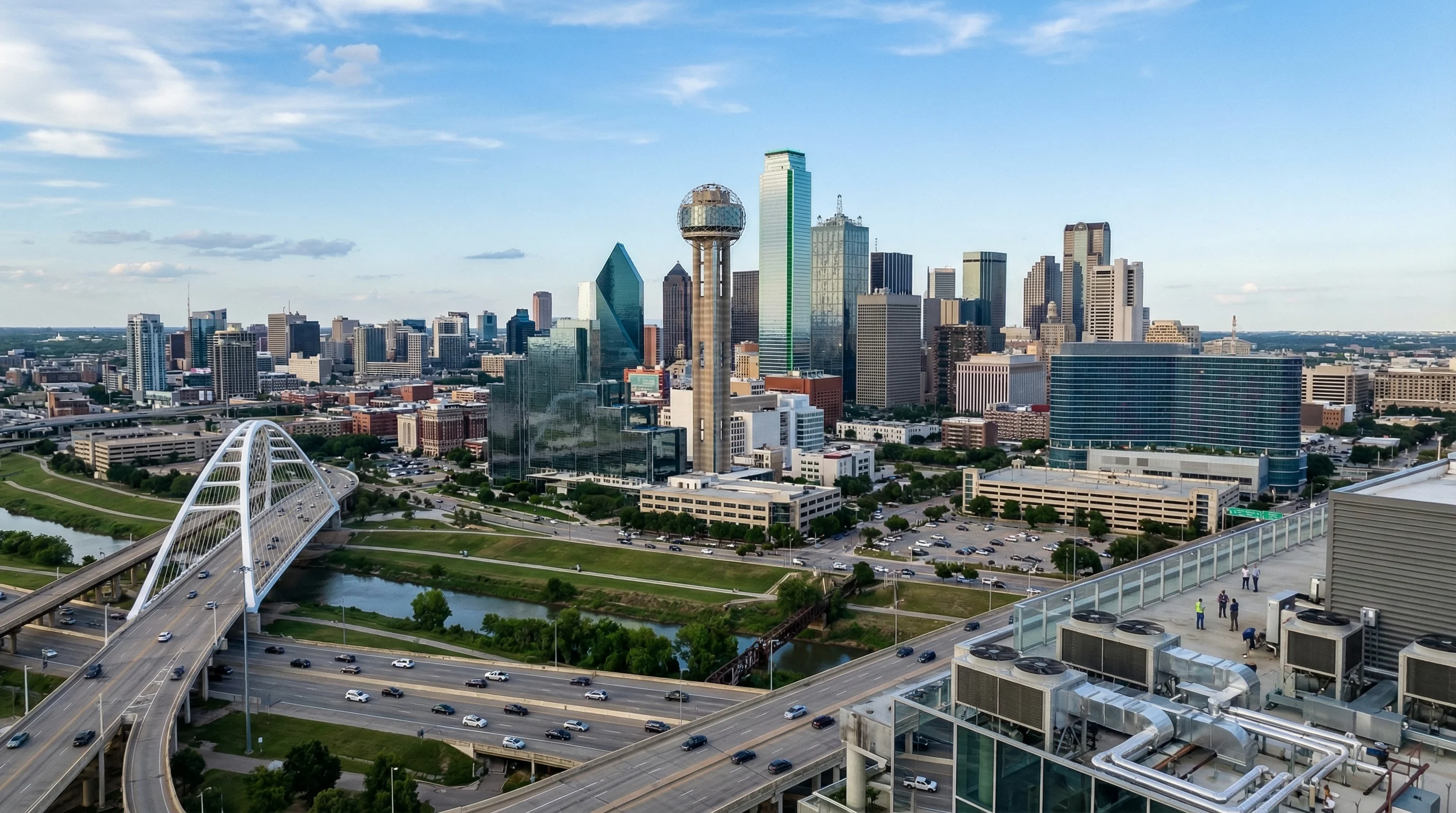
Dallas stands as one of the most important logistics hubs in the United States, strategically positioned in the heart of Texas. The city's central location provides unparalleled access to major markets across the country, with its extensive transportation infrastructure including multiple interstate highways, a major international airport, and the Union Pacific Railroad. Dallas benefits from Texas's business-friendly environment and serves as a gateway to Mexico, making it an ideal origin point for cross-border operations.
The Dallas-Fort Worth metroplex hosts a diverse industrial base, with strong presence in technology, telecommunications, healthcare, and manufacturing sectors. The region is home to numerous Fortune 500 companies and boasts a skilled workforce, modern warehousing facilities, and advanced distribution centers. The city's logistics infrastructure includes the Dallas Logistics Hub, one of the largest inland ports in the nation, providing companies with efficient consolidation and deconsolidation services for international shipments.
 Destination
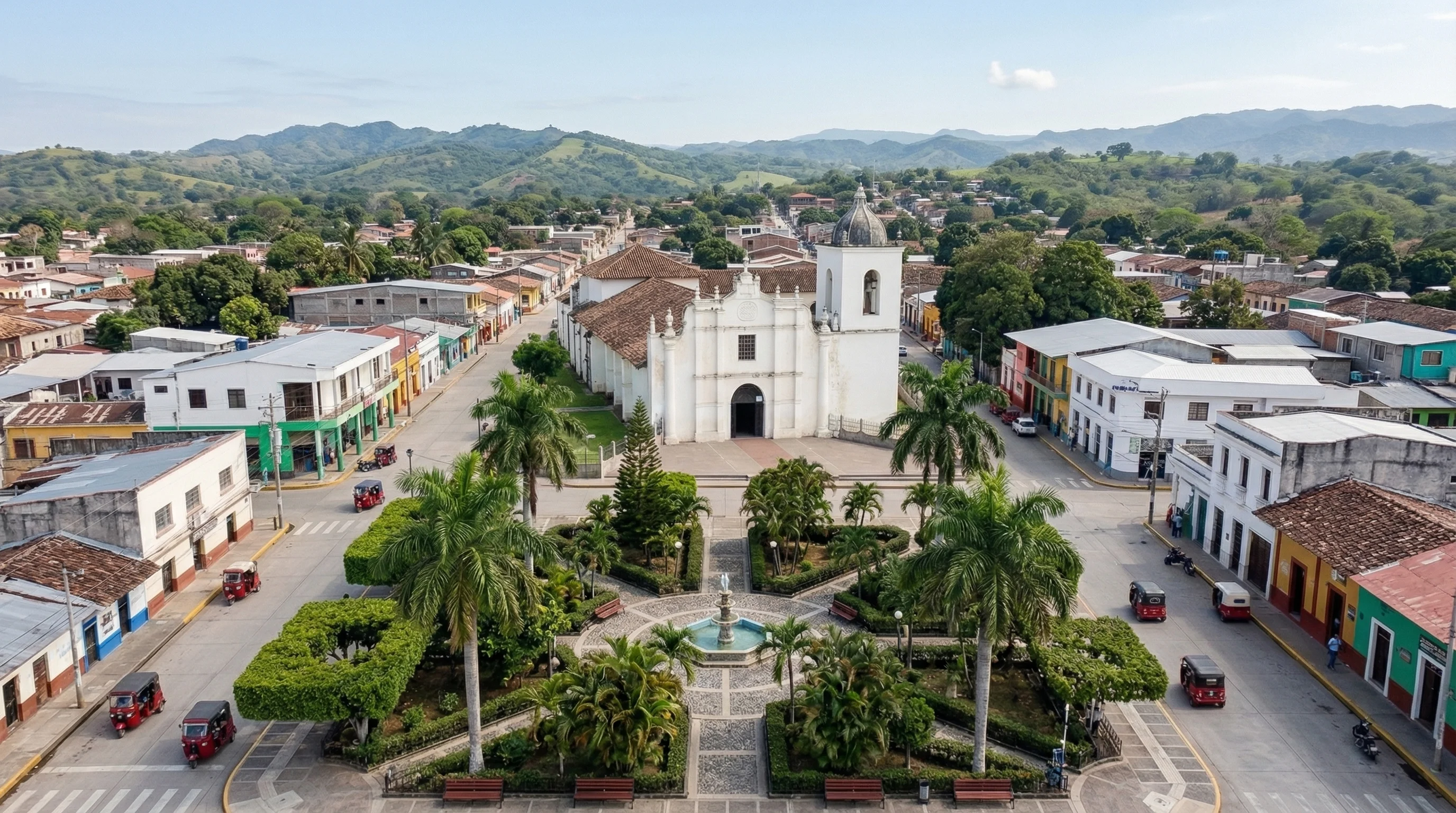
Somoto, located in Nicaragua's Madriz department, serves as a strategic logistics point in northern Central America. Its proximity to the Honduran border (approximately 40 km from El Espino) makes it an important commercial hub for cross-border trade between Nicaragua and Honduras. The city's location along the Pan-American Highway provides reliable ground transportation connections to major Central American markets.
The region around Somoto is developing its industrial and commercial sectors, with growing activity in agriculture, textiles, and light manufacturing. The city benefits from its position as a regional distribution center, serving surrounding communities and facilitating trade flows between the two countries. While Somoto's infrastructure is less developed than major metropolitan areas, ongoing improvements to the CA-1 highway and local road networks continue to enhance its connectivity and logistics capabilities.










