Concord to Lincoln
Lincoln → ConcordFTL freight transportation service between Concord and Lincoln. Reliable logistics solutions for your business.
Route Description
Everything you need to know about the corridor Concord - Lincoln
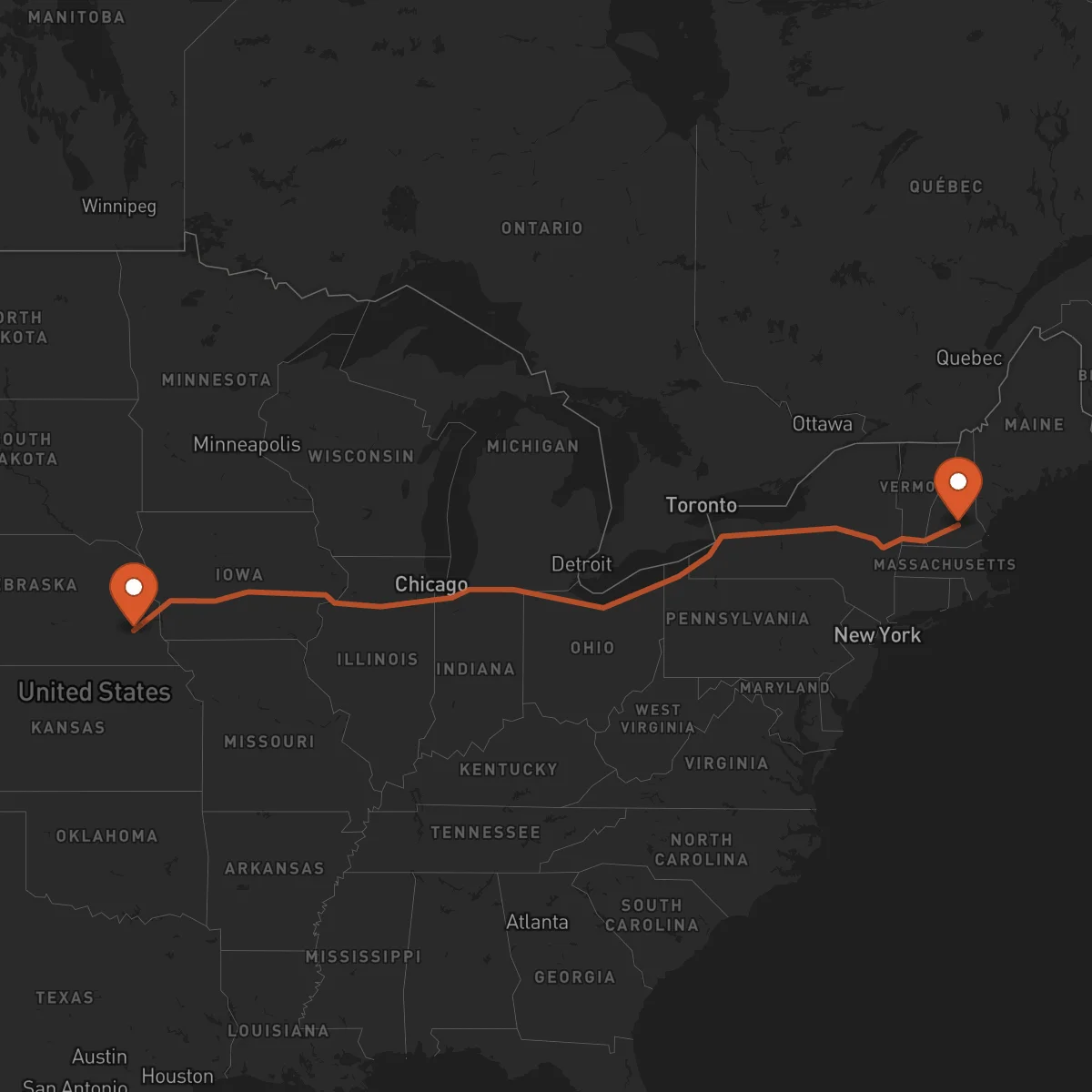
The Concord to Lincoln corridor represents a vital domestic freight route connecting the Northeast with the Midwest across a distance of approximately 2,088 kilometers. This east-west transportation artery traverses diverse geographic regions, linking New Hampshire's industrial base with Nebraska's agricultural and manufacturing heartland. The corridor serves as a critical supply chain link for businesses requiring reliable full truckload (FTL) transportation between these regions.
The economic significance of this route extends beyond its geographic span. Concord, situated in New Hampshire's Merrimack County, serves as a regional hub for advanced manufacturing, healthcare, and technology sectors. Meanwhile, Lincoln anchors Nebraska's economy with strengths in agriculture, food processing, machinery manufacturing, and transportation equipment production. This complementary economic relationship creates substantial freight demand moving in both directions.
Major transportation infrastructure along this corridor includes Interstate 90 and Interstate 80, providing efficient east-west connectivity. These highways offer multiple lanes, modern rest areas, and established freight corridors that support consistent transit times. The route passes through key logistics markets including Albany, Cleveland, and Des Moines, offering potential consolidation opportunities and service flexibility.
Control Terrestre leverages this established infrastructure to provide comprehensive FTL transportation solutions between Concord and Lincoln. Our network of certified carriers ensures capacity availability, while our expertise in full truckload operations guarantees dedicated equipment and direct delivery. We coordinate every aspect of the shipment, from initial booking through final delivery, providing real-time visibility and responsive customer service throughout the journey.
Services for this Route
Available services for the corridor Concord - Lincoln
 Origin
Concord
Concord, New Hampshire serves as a strategic logistics hub in the Northeast, positioned advantageously for freight distribution throughout New England and beyond. Located along the Merrimack River, the city benefits from its proximity to major transportation routes including Interstate 93, which connects directly to Boston's port facilities and international air cargo operations. The region's infrastructure supports efficient freight movement with well-maintained highways, rail connections, and proximity to Manchester-Boston Regional Airport for air freight integration.
The local economy features strong representation from advanced manufacturing, particularly in precision instruments, medical devices, and electronics. Healthcare and biotechnology sectors generate consistent freight volumes for specialized equipment and supplies. Additionally, the area's printing and publishing industry, along with government operations as the state capital, create diverse shipping needs ranging from document transport to specialized freight requirements.
 Destination
Lincoln
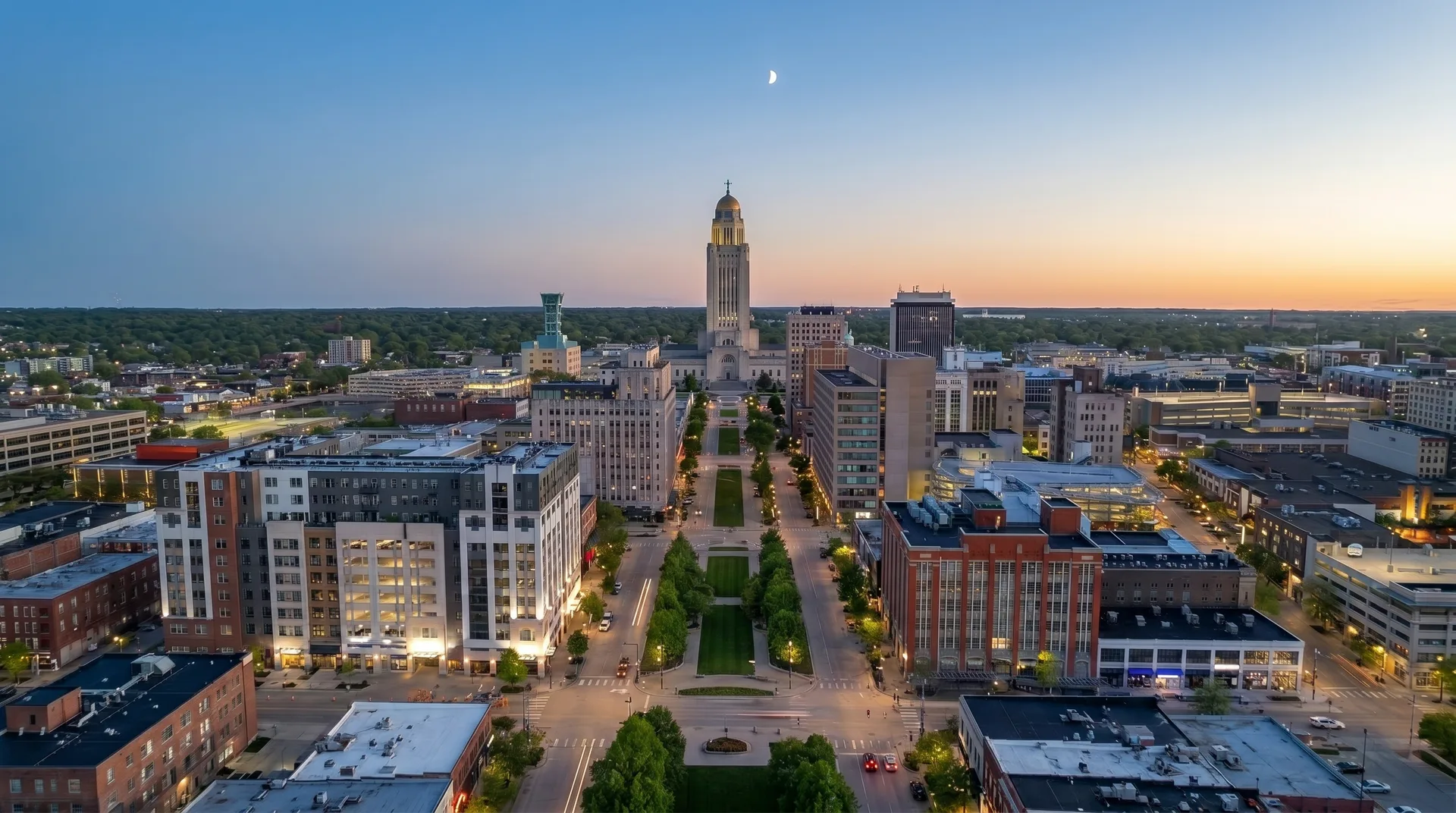
Lincoln, Nebraska occupies a strategic central location within the United States, making it an ideal distribution point for freight moving throughout the Midwest and beyond. The city's position at the intersection of Interstate 80 and multiple rail lines creates exceptional multimodal connectivity. Lincoln's transportation infrastructure includes the Lincoln Airport with cargo capabilities, extensive highway networks, and direct rail access through Union Pacific's extensive network, facilitating efficient freight movement in all directions.
The local economy centers on agriculture and food processing, with major operations in grain processing, meat production, and agricultural equipment manufacturing. The University of Nebraska-Lincoln drives research and technology sectors, while insurance and financial services contribute to the economic diversity. Manufacturing industries including machinery, transportation equipment, and fabricated metal products generate substantial freight volumes, creating consistent demand for reliable FTL transportation services to support just-in-time inventory systems and supply chain operations.










