Concord to Detroit
Detroit → ConcordFTL freight transportation service between Concord and Detroit. Reliable logistics solutions for your business.
Route Description
Everything you need to know about the corridor Concord - Detroit
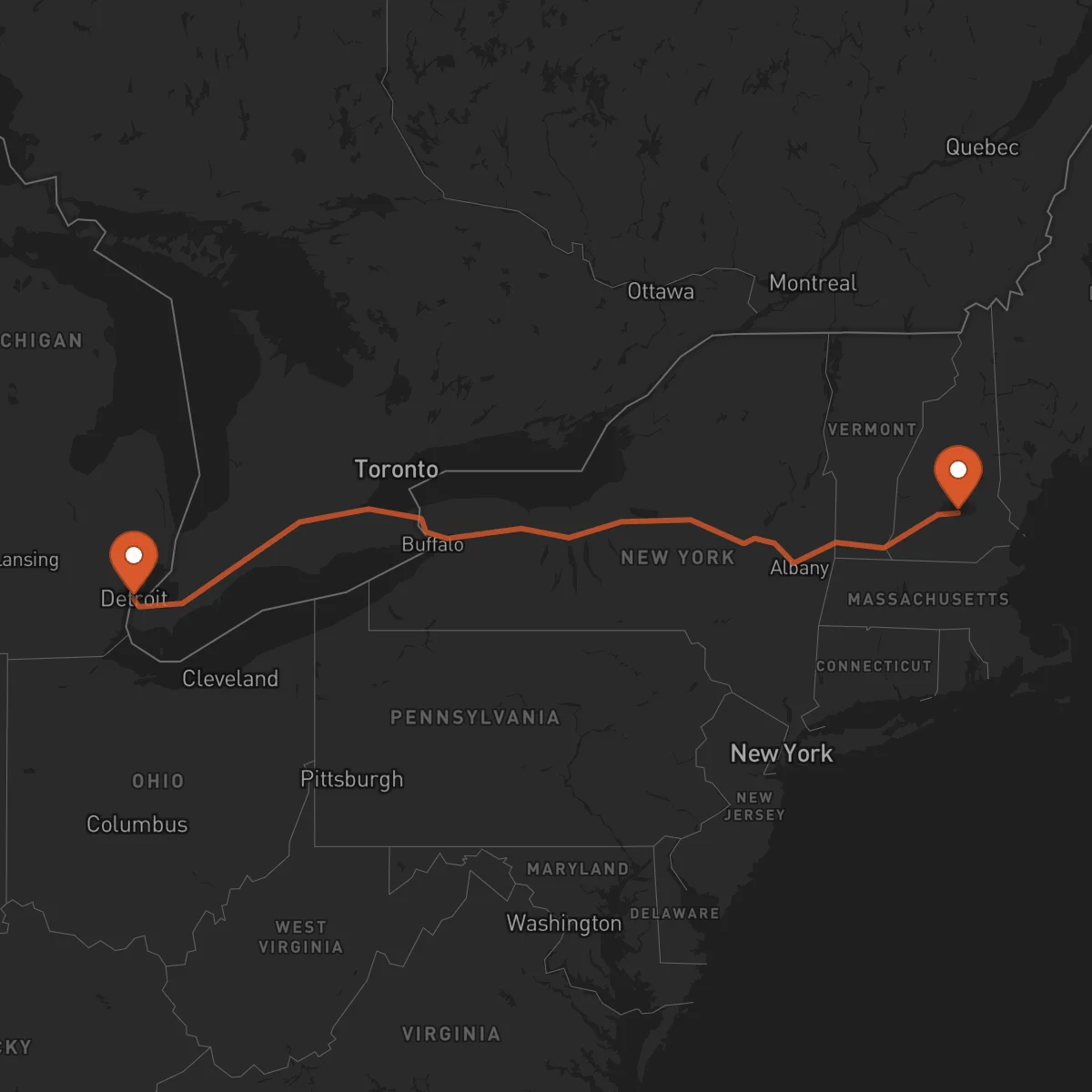
The logistics corridor connecting Concord, New Hampshire to Detroit, Michigan spans approximately 943 kilometers and represents a vital link in the northeastern United States supply chain network. This domestic route traverses diverse terrain and crosses multiple state lines, connecting the economic heart of New England with the industrial powerhouse of the Midwest. The corridor's strategic importance lies in its ability to facilitate the efficient movement of goods between two distinct economic regions, supporting both regional and national commerce.
The economic and industrial context of this corridor reflects the complementary strengths of both endpoints. Concord serves as a hub for government services, healthcare, and technology sectors, while Detroit remains synonymous with automotive manufacturing and innovation. This route enables the seamless flow of components, finished products, and raw materials between these complementary economic zones. The corridor particularly benefits from the strong manufacturing presence in both regions, with numerous automotive suppliers, aerospace companies, and advanced manufacturing facilities relying on this transportation link.
Transportation infrastructure along this corridor is well-developed, primarily utilizing major interstate highways including I-90 and I-94. These routes provide reliable, year-round access despite seasonal weather variations. Control Terrestre leverages this infrastructure to offer full truckload (FTL) services that ensure dedicated capacity and direct delivery between Concord and Detroit. Our specialized fleet and experienced logistics team understand the unique demands of this corridor, providing consistent, professional service that keeps your supply chain moving efficiently across state lines.
Services for this Route
Available services for the corridor Concord - Detroit
 Origin
Concord
Concord, New Hampshire serves as a strategic logistics hub in the northeastern United States, offering excellent connectivity to major markets throughout New England and beyond. Located in the Merrimack Valley, Concord provides access to a network of highways including I-93 and I-89, facilitating efficient distribution to Boston, Portland, and other regional centers. The city's proximity to Manchester-Boston Regional Airport and rail connections through Pan Am Railways further enhances its multimodal transportation capabilities, making it an ideal origin point for freight movements to the Midwest.
The economic landscape of Concord is diverse, with strong presence in government services, healthcare, and technology sectors. Major employers include state government offices, Concord Hospital, and technology companies specializing in software development and advanced manufacturing. The region also hosts numerous small and medium-sized enterprises in professional services, education, and light manufacturing. This economic diversity creates consistent freight demand along the corridor to Detroit, particularly for specialized equipment, medical supplies, and technology products that require dedicated transportation solutions.
 Destination
Detroit
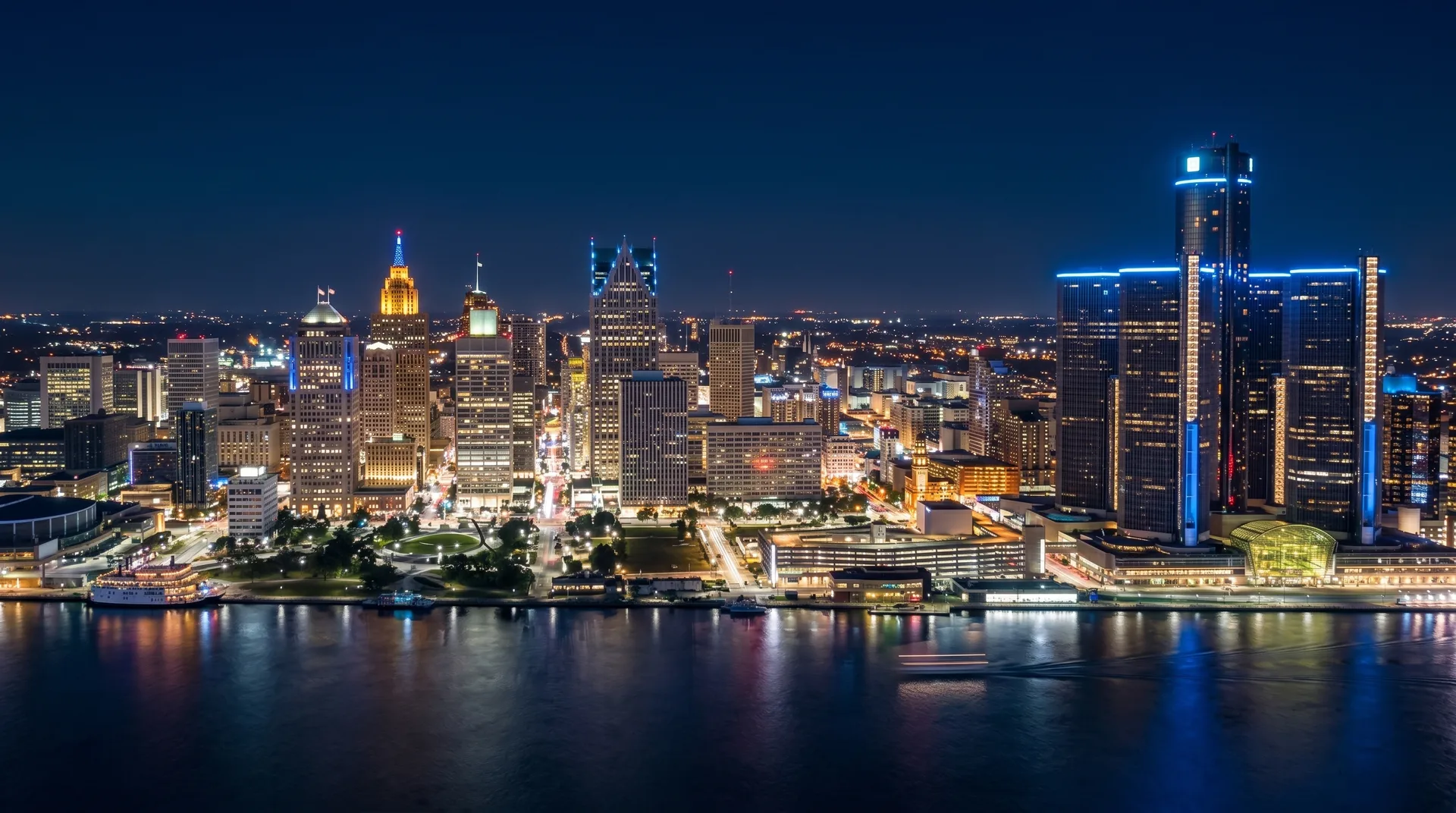
Detroit, Michigan stands as one of America's most significant logistics and industrial centers, offering unparalleled connectivity to the Great Lakes region and beyond. The city's strategic location provides access to major interstate highways including I-75, I-94, and I-96, creating a robust transportation network that connects to Chicago, Toronto, and other major markets. Detroit Metropolitan Airport and the Port of Detroit complement the highway infrastructure, establishing the city as a true multimodal logistics hub that can accommodate diverse freight requirements.
The economic foundation of Detroit remains firmly rooted in automotive manufacturing, with the presence of the "Big Three" automakers and hundreds of suppliers creating substantial freight movement. However, the city has diversified its industrial base to include healthcare, information technology, and advanced manufacturing sectors. This economic evolution has generated new freight opportunities along the corridor from Concord, particularly for specialized components, medical equipment, and technology products. Detroit's industrial parks and distribution centers are well-equipped to handle full truckload shipments, providing efficient cross-docking and warehousing solutions that complement Control Terrestre's FTL services.










