Concord to Frankfort
Frankfort → ConcordFTL freight transportation service between Concord and Frankfort. Reliable logistics solutions for your business.
Route Description
Everything you need to know about the corridor Concord - Frankfort
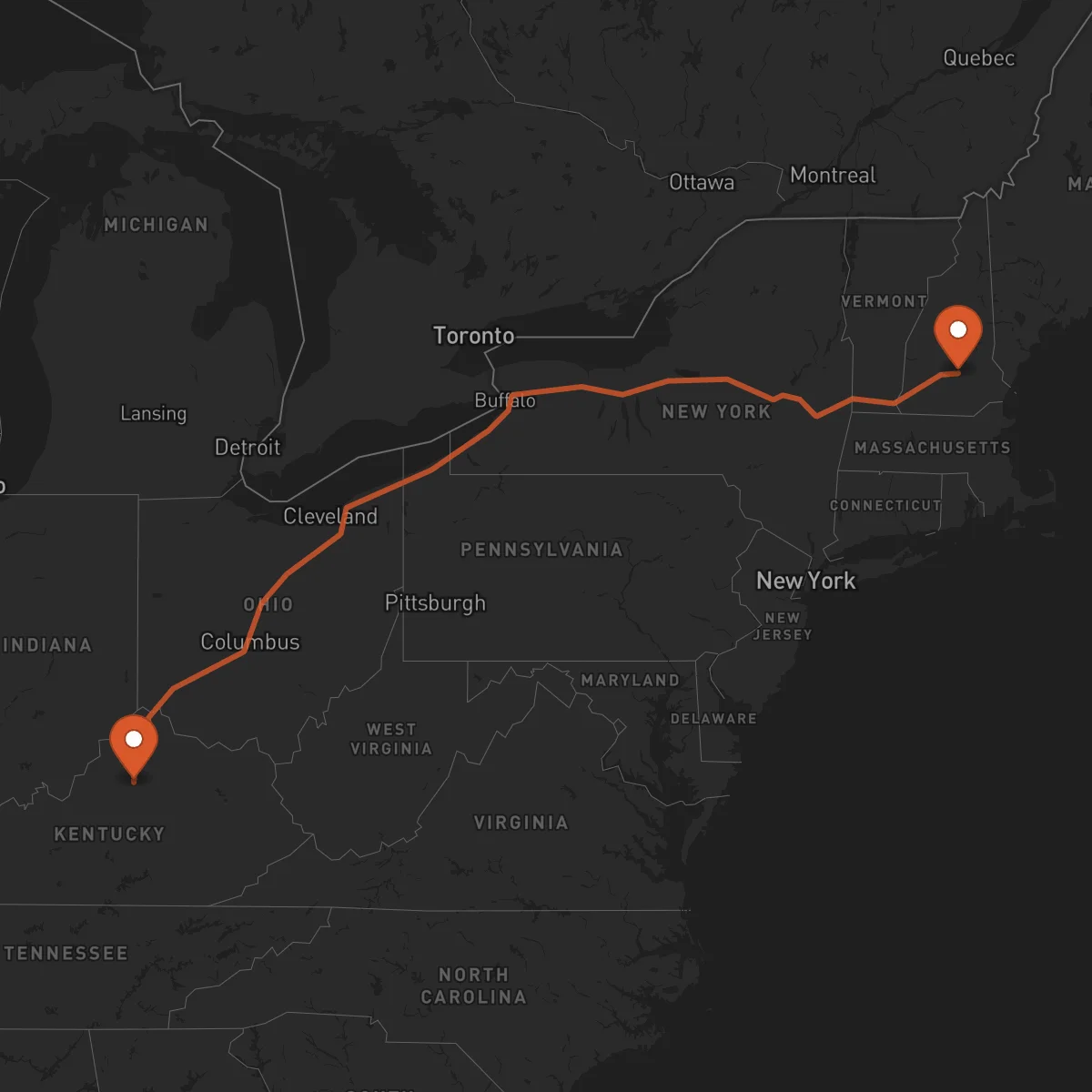
The freight corridor connecting Concord, New Hampshire to Frankfort, Kentucky represents a vital transportation link spanning approximately 1,253 kilometers across the northeastern and southeastern United States. This domestic route traverses diverse geographic and economic regions, facilitating the movement of goods between New England's manufacturing and technology hubs and Kentucky's automotive and agricultural centers. The corridor passes through major metropolitan areas including Boston, New York, Philadelphia, and Cincinnati, providing access to significant consumer markets and industrial zones.
This route serves as a critical artery for industries requiring efficient cross-country transportation, particularly automotive parts manufacturing, advanced electronics, precision machinery, and agricultural products. The corridor's strategic importance is amplified by its connection to major interstate highways including I-93, I-90, I-80, and I-71, which provide reliable infrastructure for full truckload (FTL) freight movements. Companies operating along this corridor benefit from access to both coastal ports and inland distribution centers, making it an essential pathway for domestic supply chain operations.
Control Terrestre specializes in optimizing FTL freight transportation along this corridor, leveraging our network of certified carriers and strategic partnerships to ensure reliable, efficient cargo movement. Our expertise in handling specialized freight, including oversized loads and temperature-sensitive shipments, makes us the ideal partner for companies requiring consistent, high-quality transportation services between these key economic regions.
Services for this Route
Available services for the corridor Concord - Frankfort
 Origin
Concord
Concord, New Hampshire serves as a strategic logistics hub in the northeastern United States, positioned advantageously for freight distribution throughout New England. The city benefits from its proximity to major transportation networks, including Interstate 93, which provides direct access to Boston's port facilities and international trade routes. Concord's location in the Merrimack Valley region places it within reach of numerous manufacturing facilities, technology companies, and research institutions that require reliable freight transportation services.
The region's economy is characterized by advanced manufacturing, electronics production, and precision engineering sectors, all of which demand specialized logistics solutions. Concord's infrastructure includes modern warehousing facilities, intermodal transportation options, and a skilled workforce familiar with handling complex supply chain requirements. The city's accessibility to both Canadian border crossings and major East Coast ports makes it an ideal origin point for companies seeking to optimize their domestic and international freight movements.
 Destination
Frankfort
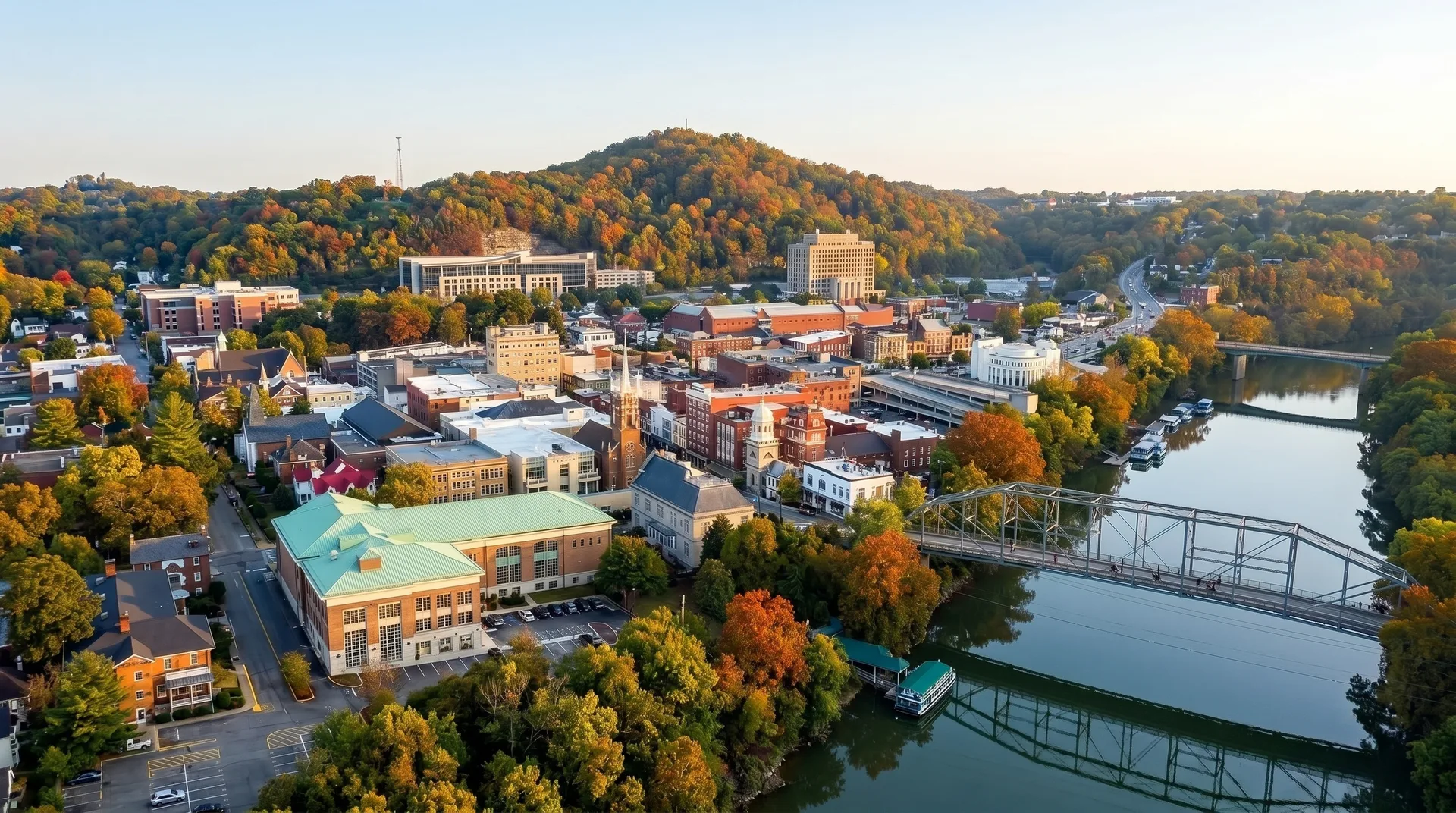
Frankfort, Kentucky occupies a strategic position in the southeastern United States, serving as a key logistics center for the automotive and manufacturing industries. Located along the I-64 and I-75 corridors, Frankfort provides excellent connectivity to major distribution networks throughout the Midwest and South. The city's proximity to Louisville's UPS Worldport and the Port of Cincinnati enhances its appeal as a destination for time-sensitive freight shipments.
The Frankfort region is home to significant automotive manufacturing operations, including Toyota's major assembly plant in nearby Georgetown, which creates substantial demand for reliable full truckload transportation services. The area's economy also encompasses agricultural products, bourbon production, and advanced manufacturing, requiring diverse freight handling capabilities. Frankfort's infrastructure includes modern logistics parks, rail connections, and proximity to major freight terminals, making it well-equipped to handle the complex supply chain needs of industries operating in this economically vibrant region.










