
Comayagua to Denver
Denver → ComayaguaFTL freight transportation service between Comayagua and Denver. Reliable logistics solutions for your business.
Route Description
Everything you need to know about the corridor Comayagua - Denver
The logistics corridor between Comayagua, Honduras and Denver, Colorado represents a vital connection between Central America and the United States. This 3,281 km route facilitates the movement of goods through key industrial and commercial hubs, supporting international trade and supply chain operations. The corridor leverages major transportation infrastructure including the CA-5 highway in Honduras connecting to Mexico's Federal Highway 45, which extends through the United States via I-25 and I-70. Control Terrestre provides specialized FTL services along this route, ensuring reliable door-to-door transportation with our certified providers who maintain C-TPAT, FAST, and BASC certifications for smooth cross-border operations.
Services for this Route
Available services for the corridor Comayagua - Denver
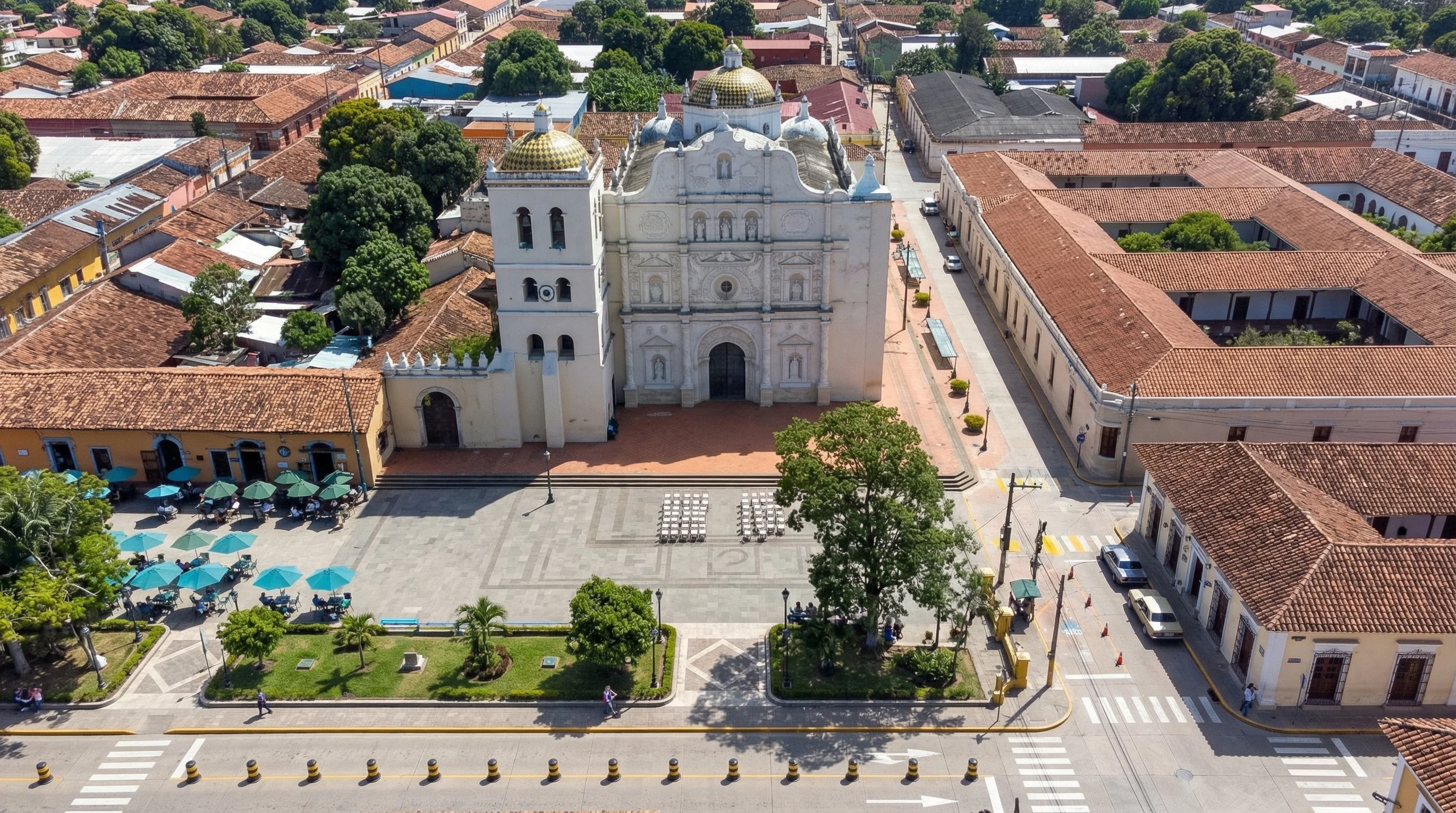 Origin
Comayagua serves as a strategic logistics hub in Honduras, located in the central region with excellent connectivity to major ports and industrial zones. The city and surrounding area host diverse economic activities including manufacturing, agriculture, and light industry. Its position along the CA-5 highway provides direct access to San Pedro Sula's port facilities and connects to the broader Central American transportation network. The region's infrastructure includes modern warehousing facilities and industrial parks that support both domestic distribution and international export operations.
 Destination
Denver
Denver stands as a crucial logistics center in the western United States, benefiting from its strategic location at the intersection of major interstate highways I-25 and I-70. The city's position in the Rocky Mountain region makes it a key distribution point for goods moving throughout the western states and into Canada. Denver's economy encompasses aerospace, technology, energy, and manufacturing sectors, supported by extensive warehousing and distribution facilities. The metropolitan area's transportation infrastructure includes Denver International Airport and direct rail connections, enhancing its role as a logistics hub.










