
Comayagua to Austin
Austin → ComayaguaFTL freight transportation service between Comayagua and Austin. Reliable logistics solutions for your business.
Route Description
Everything you need to know about the corridor Comayagua - Austin
The logistics corridor connecting Comayagua, Honduras to Austin, Texas represents a vital trade link between Central America and the United States. This 2040 km cross-border route facilitates the movement of goods through key industrial and commercial centers, supporting the growing economic integration between both regions. The corridor serves as a strategic pathway for companies looking to establish or strengthen their supply chain operations between Honduras and the U.S. market.
This route traverses diverse economic landscapes, from the manufacturing and agricultural sectors in Honduras to the technology and advanced manufacturing industries in Austin. The corridor particularly benefits industries such as automotive parts, electronics, textiles, and agricultural products. Major transportation infrastructure includes the CA-5 highway in Honduras connecting to Mexican Federal Highways, before entering the United States through various border crossings where Control Terrestre's certified partners ensure smooth customs clearance and compliance with all regulatory requirements.
Control Terrestre facilitates seamless operations on this corridor through our network of certified transportation providers who are C-TPAT, FAST, and BASC compliant. Our specialized team manages the complexities of cross-border documentation, customs procedures, and the coordination required for full truckload (FTL) shipments. We provide dedicated transportation solutions that ensure cargo moves efficiently from origin to destination, with real-time tracking and professional handling throughout the entire journey.
Services for this Route
Available services for the corridor Comayagua - Austin
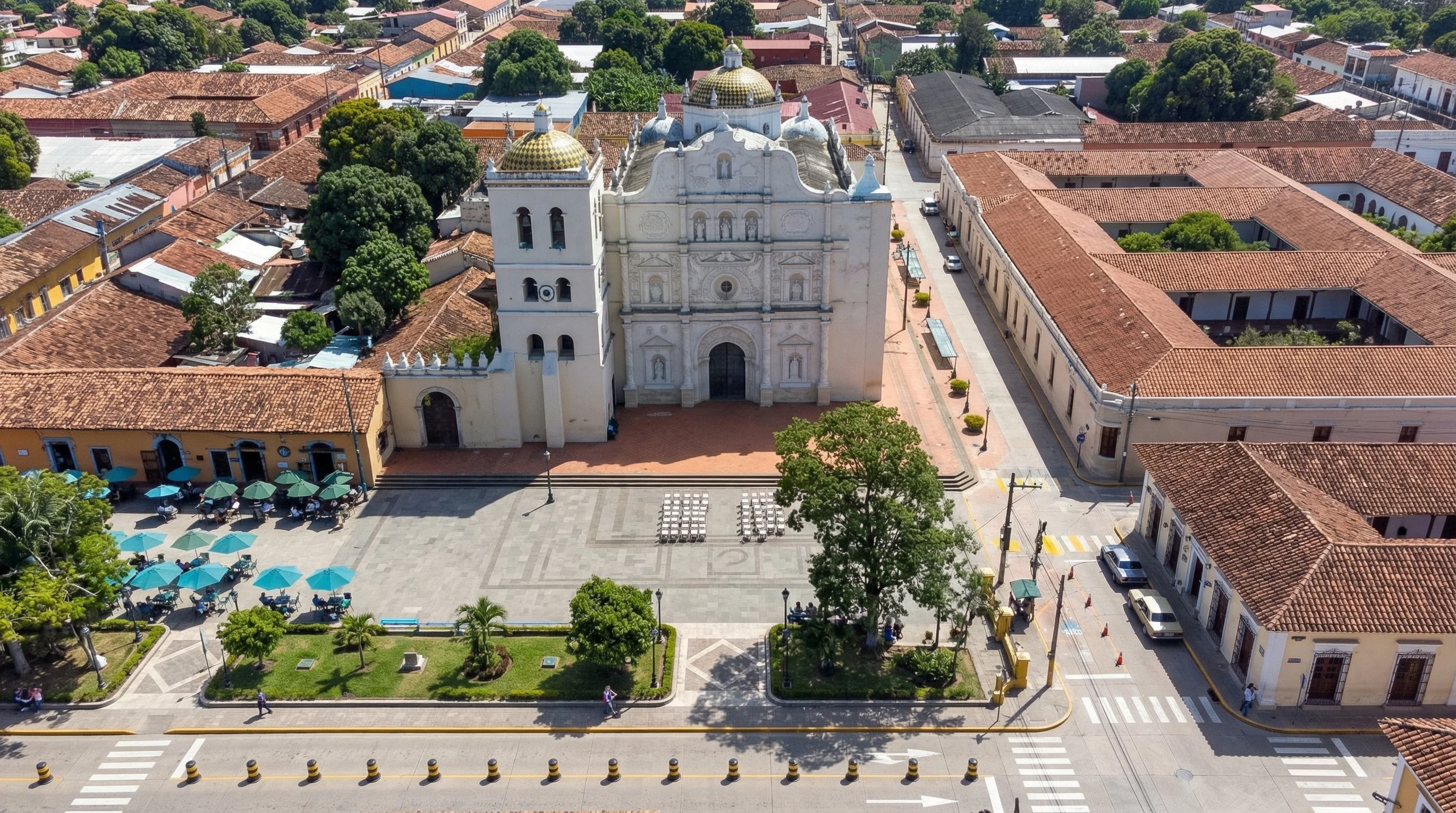 Origin
Comayagua serves as a strategic logistics hub in Honduras, located in the central region with excellent connectivity to major ports and industrial centers. The city benefits from its proximity to San Pedro Sula's industrial corridor and the Caribbean ports, making it an ideal origin point for international shipments. Comayagua's economy features diverse manufacturing sectors, including textile production, automotive components, and agricultural processing facilities that generate significant export volume to North American markets.
The region boasts well-developed transportation infrastructure, including the CA-5 highway that provides direct access to northern ports and the Guatemalan border. The area's industrial parks and free trade zones have attracted considerable foreign investment, creating a robust manufacturing base that requires reliable freight transportation services. Control Terrestre leverages this strategic location to offer efficient full truckload services connecting Honduran manufacturers directly to U.S. markets.
 Destination
Austin
Austin, Texas stands as a major logistics and economic center in the southern United States, strategically positioned within the Texas Triangle—one of the nation's most dynamic economic regions. The city's location provides excellent access to major interstate highways including I-35, which runs north-south through the heart of Texas, connecting Austin to major markets like Dallas, Houston, and San Antonio. This central positioning makes Austin an ideal destination for cross-border freight operations.
The Austin metropolitan area has evolved into a technology and innovation hub, hosting numerous electronics manufacturers, semiconductor facilities, and advanced research centers. The region's diverse economy also includes significant healthcare, education, and government sectors, all requiring sophisticated logistics support. Austin's transportation infrastructure includes multiple freight rail connections, international airports, and extensive highway networks that facilitate efficient distribution throughout Texas and beyond. Control Terrestre's full truckload services ensure that cargo arriving from Central America can be seamlessly integrated into Austin's supply chain networks.










