
Columbus to Juigalpa
Juigalpa → ColumbusFTL freight transportation service between Columbus and Juigalpa. Reliable logistics solutions for your business.
Route Description
Everything you need to know about the corridor Columbus - Juigalpa
The Columbus to Juigalpa corridor represents a vital cross-border logistics route connecting the industrial heartland of Ohio with the agricultural and commercial center of Nicaragua. This 3,107 km corridor traverses multiple countries and diverse terrains, serving as a critical link for businesses seeking to establish or strengthen their supply chain operations between North and Central America. The route facilitates the movement of goods through major transportation hubs, supporting international trade and economic integration across the region.
The corridor benefits from Columbus's strategic location in the Midwest, where it serves as a logistics powerhouse with excellent connectivity to major markets. Columbus's diverse industrial base, including advanced manufacturing, technology, and distribution centers, generates substantial freight volume that requires reliable transportation to international destinations. The city's position at the intersection of major interstate highways provides efficient access to both East and West Coast ports, making it an ideal origin point for cross-border shipments.
Moving south through the United States and into Central America, the corridor utilizes key transportation infrastructure including major highways and cross-border facilities. The route passes through important economic zones and agricultural regions, connecting with the growing industrial base in Nicaragua. Juigalpa, as the economic center of the Chontales region, serves as a crucial destination for various commodities and manufactured goods, supporting local industries including agriculture, dairy production, and emerging manufacturing sectors. Control Terrestre provides comprehensive FTL services along this entire corridor, ensuring secure, efficient, and reliable transportation of full truckloads from origin to destination.
Services for this Route
Available services for the corridor Columbus - Juigalpa
 Origin
Columbus
Columbus, Ohio stands as a premier logistics hub in the Midwest, strategically positioned at the intersection of major transportation networks. The city's central location provides unparalleled access to 48% of the U.S. population within a one-day drive, making it an ideal origin point for freight distribution. Columbus boasts a sophisticated transportation infrastructure including Port Columbus International Airport, extensive rail connections, and direct access to major interstate highways such as I-70 and I-71. The city's logistics ecosystem is further enhanced by its Foreign Trade Zone and numerous warehousing and distribution facilities.
The Columbus metropolitan area is home to a diverse and robust economy, with key industries including advanced manufacturing, technology, healthcare, and education. Major employers in the region drive significant freight volume, particularly in sectors such as automotive parts, aerospace components, medical equipment, and consumer goods. The city's pro-business environment and skilled workforce have attracted numerous logistics companies and distribution centers, creating a dynamic freight generation environment that serves both domestic and international markets.
 Destination
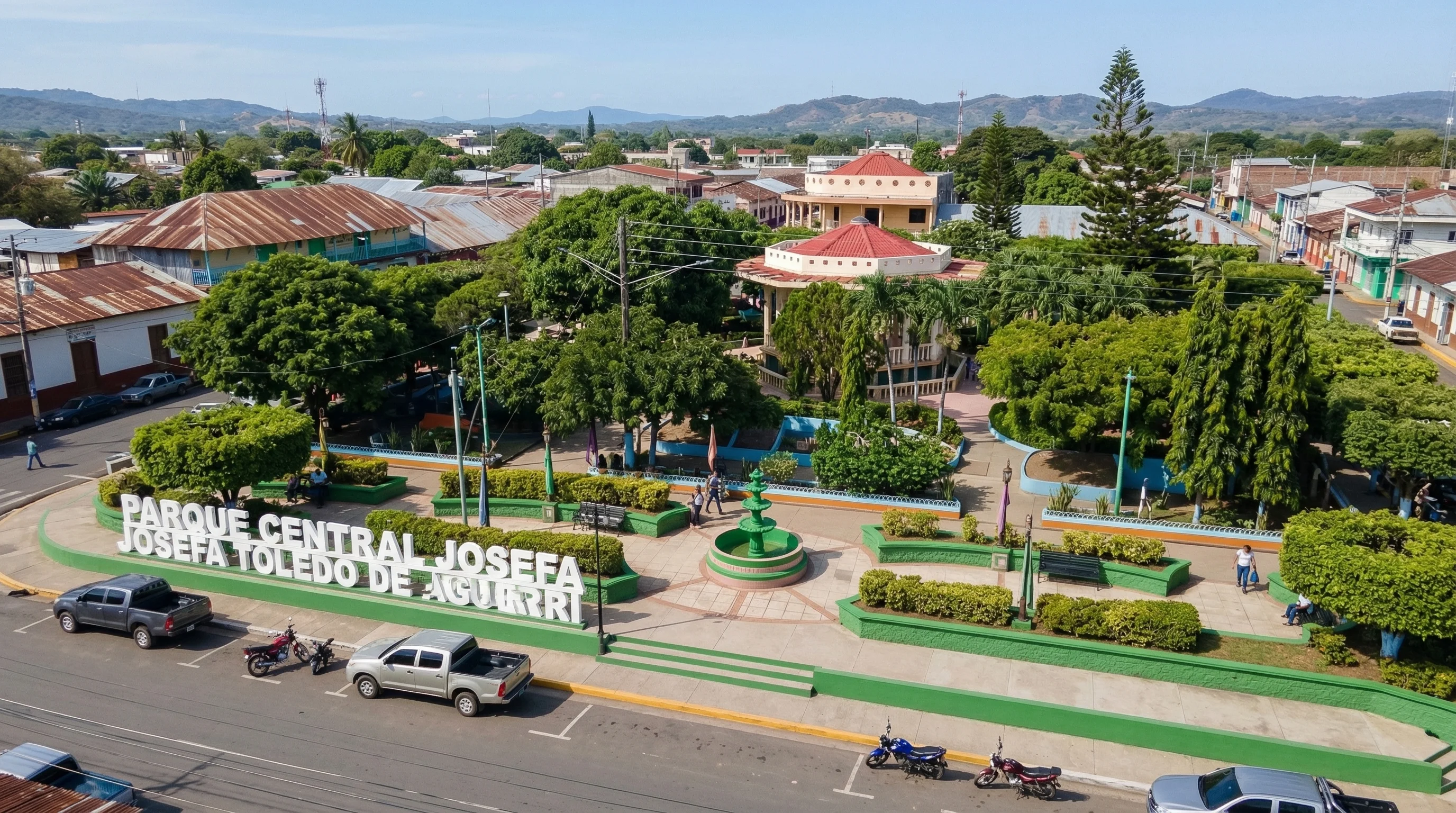
Juigalpa, located in the Chontales department of Nicaragua, serves as the economic and commercial center of the region, strategically positioned to facilitate trade throughout Central America. The city's location provides access to both Pacific and Caribbean trade routes, making it a crucial distribution point for goods moving throughout Nicaragua and neighboring countries. Juigalpa's growing infrastructure includes improved road connections to major cities like Managua and the expanding port facilities on both coasts, enhancing its role in regional logistics.
The local economy of Juigalpa and the surrounding Chontales region is primarily based on agriculture, particularly dairy production, cattle ranching, and crop cultivation. The area is known as Nicaragua's dairy capital, producing significant quantities of milk, cheese, and other dairy products. Additionally, the region is developing its manufacturing and commercial sectors, with growing demand for industrial equipment, construction materials, and consumer goods. The city's wholesale markets and distribution centers serve as important nodes for regional trade, handling both imports and exports that require reliable transportation connections to major markets in North America.










