Columbus to Durango
Durango → ColumbusFTL freight transportation service between Columbus and Durango. Reliable logistics solutions for your business.
Route Description
Everything you need to know about the corridor Columbus - Durango
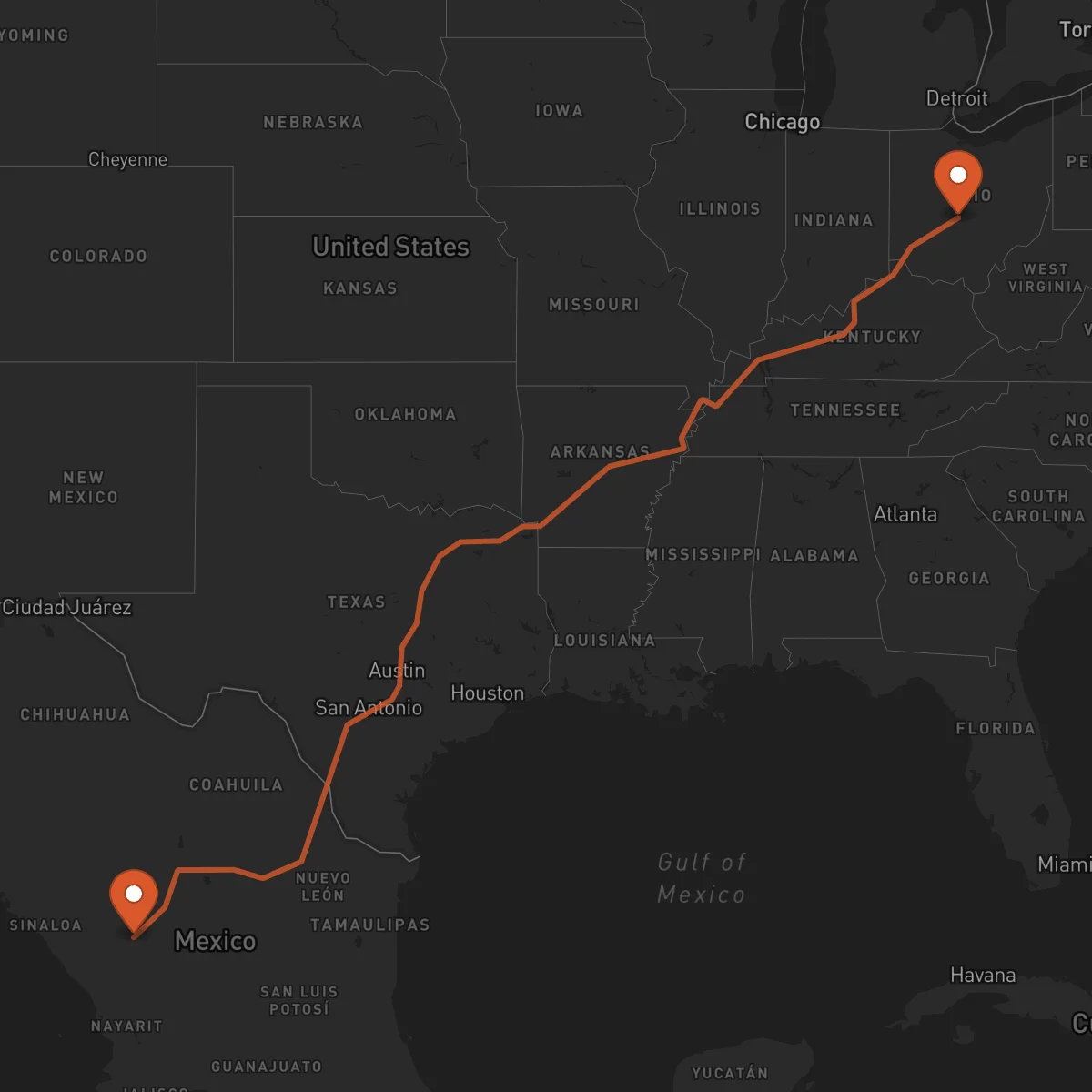
The logistics corridor connecting Columbus, Ohio to Durango, Durango represents a vital trade route between the United States and Mexico, spanning approximately 2,691 kilometers. This cross-border corridor facilitates the movement of goods between the industrial heartland of the Midwest and the growing manufacturing hub of northern Mexico. The route traverses diverse terrain and crosses multiple state lines in the U.S. before reaching the Mexican border, making it a complex but essential trade artery.
The economic significance of this corridor cannot be overstated. Columbus serves as a major distribution center for the Midwest, with strong ties to automotive, aerospace, and advanced manufacturing sectors. Durango, meanwhile, has emerged as a key industrial center in Mexico, particularly in automotive parts manufacturing, mining equipment, and agricultural products. The flow of goods between these two points supports critical supply chains for both countries, enabling just-in-time manufacturing and distribution models.
Transportation along this corridor relies primarily on major interstate highways including I-70, I-44, and I-35, which provide reliable connections through the central United States. The route typically crosses into Mexico at Laredo or El Paso, with Laredo being the busiest inland port on the U.S.-Mexico border. Control Terrestre leverages our extensive network of certified carriers and deep expertise in cross-border operations to ensure seamless movement of full truckload shipments, handling all necessary customs documentation and compliance requirements to minimize delays and maximize efficiency.
Services for this Route
Available services for the corridor Columbus - Durango
 Origin
Columbus
Columbus, Ohio serves as a strategic logistics hub in the Midwest, offering exceptional connectivity through its central location and robust transportation infrastructure. The city boasts a comprehensive network of highways including I-70, I-71, and I-270, providing direct access to major markets across the eastern and central United States. Port Columbus International Airport and the nearby Rickenbacker International Airport support air freight operations, while rail connections through CSX and Norfolk Southern ensure multimodal transportation options. Columbus's logistics advantages are further enhanced by its relatively low congestion compared to coastal ports and its proximity to major manufacturing centers in Ohio, Indiana, and Michigan.
 Destination
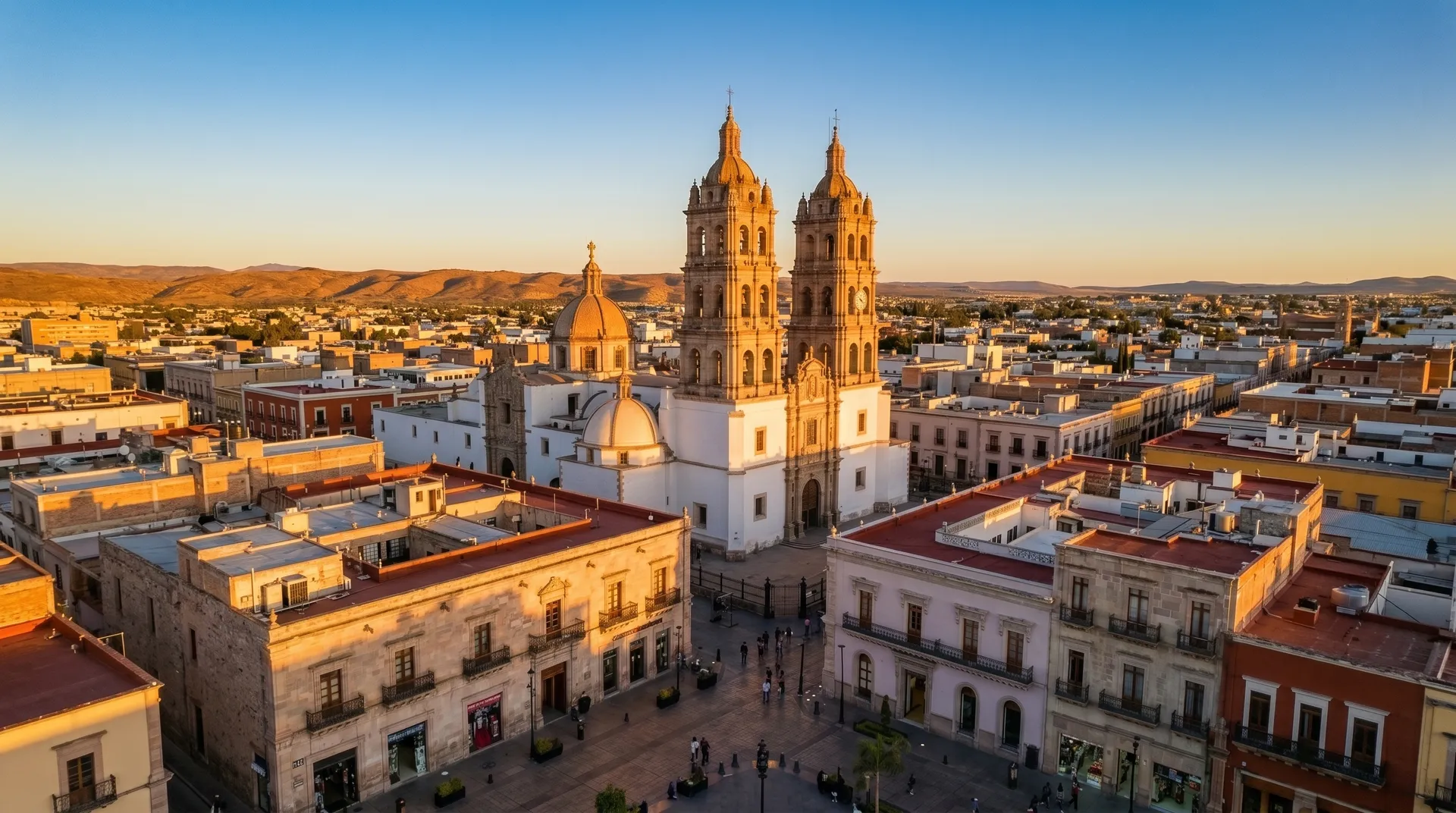
Durango, located in north-central Mexico, represents a growing industrial center with strategic importance for manufacturing and distribution. The city benefits from its position within Mexico's developing industrial corridor, with access to major highways including Mexico Federal Highway 45 connecting to the U.S. border. Durango's industrial parks have attracted significant investment in automotive parts manufacturing, mining equipment production, and agricultural processing. The region's infrastructure continues to develop, with improvements to road networks and the development of industrial zones designed to support international trade. Durango's proximity to other major Mexican industrial centers like Monterrey and Saltillo enhances its role in regional supply chains.










