Colima to Granada
Granada → ColimaFTL freight transportation service between Colima and Granada. Reliable logistics solutions for your business.
Route Description
Everything you need to know about the corridor Colima - Granada
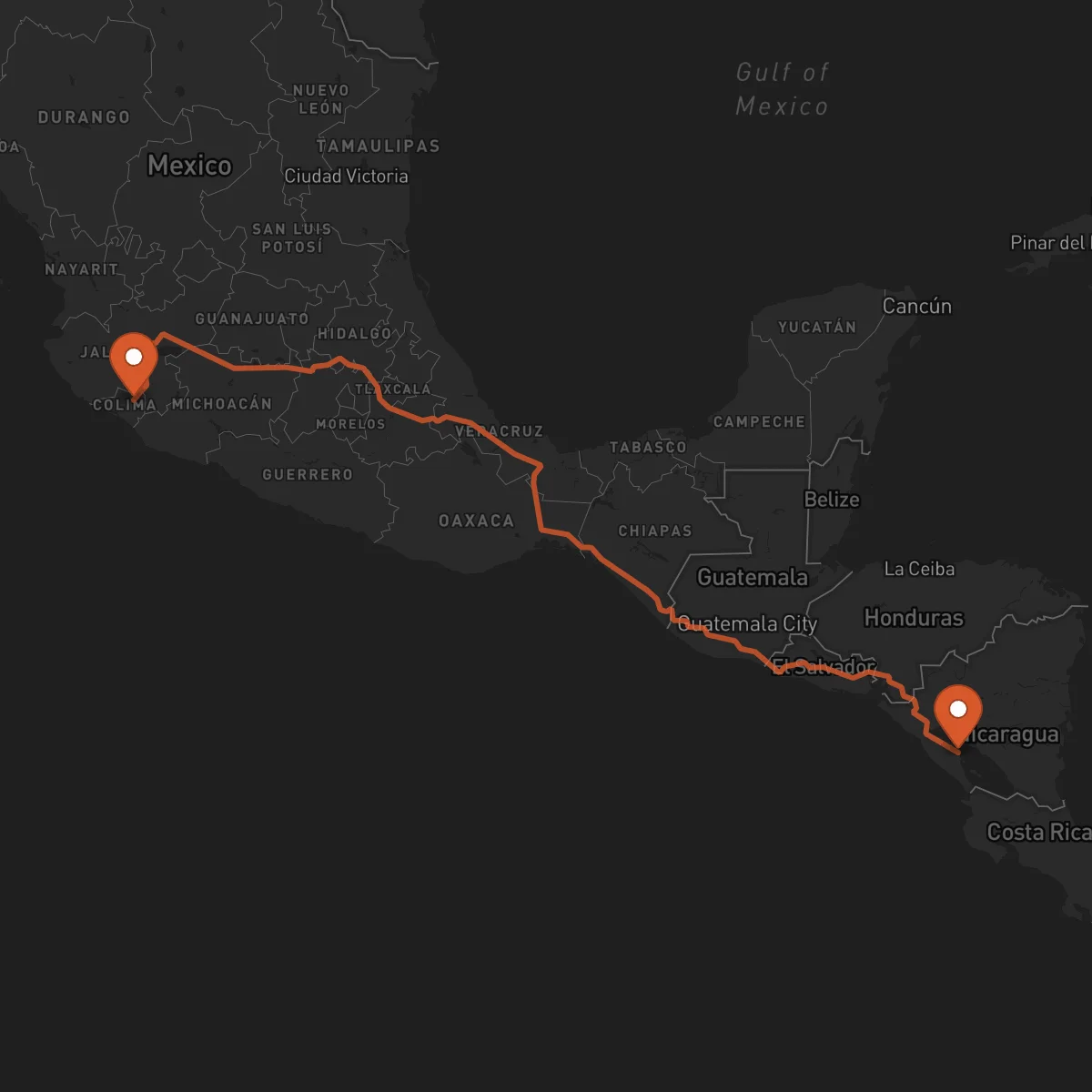
The logistics corridor connecting Colima, Mexico, to Granada, Nicaragua, represents a vital north-south artery through Central America, spanning approximately 2,067 km. This cross-border route is strategically critical for facilitating trade between the manufacturing and agricultural heartlands of western Mexico and the key economic zones of Nicaragua and broader Central America. It serves as a primary conduit for goods moving between the Pacific coast of Mexico and the central regions of Nicaragua, supporting regional integration and supply chain resilience.
Economically, the corridor links two dynamic regions. The origin in Colima leverages Mexico's robust industrial and agricultural output, while the destination in Granada sits at the center of Nicaragua's productive landscape, acting as a hub for distribution into neighboring countries. Main industries utilizing this route include agriculture (bananas, coffee, sugarcane), processed foods, beverages, construction materials, and manufactured goods. The flow is bidirectional, with raw materials and inputs moving south and finished products moving north.
Infrastructure relies on a network of major highways. From Colima, cargo typically moves south via Mexican Federal Highway 200 along the Pacific coast, connecting to Highway 190 and 185 through Chiapas toward the Guatemala-Mexico border. After crossing into Guatemala and traversing the country, the route continues through Honduras via major highways like CA-1 before entering Nicaragua at the Guasaule or Las Manos borders, finally connecting to Granada via Nicaragua's Highway 1. Key border crossings, such as Ciudad Hidalgo/Tecún Umán (Mexico-Guatemala) and Guasaule (Honduras-Nicaragua), are critical nodes requiring meticulous customs compliance.
Control Terrestre facilitates seamless operations on this complex corridor through our alliance of experienced carriers. Our providers hold essential certifications like C-TPAT, FAST, and BASC, which streamline customs procedures at border crossings. We exclusively offer full truckload (FTL) solutions—including dedicated, expedited, and specialized services for oversized or refrigerated cargo—ensuring a direct, secure, and efficient transit from door to door. By managing the intricate logistics of this multinational route, we provide our clients with a single, reliable point of contact to optimize their supply chain across this strategic corridor.
Services for this Route
Available services for the corridor Colima - Granada
 Origin
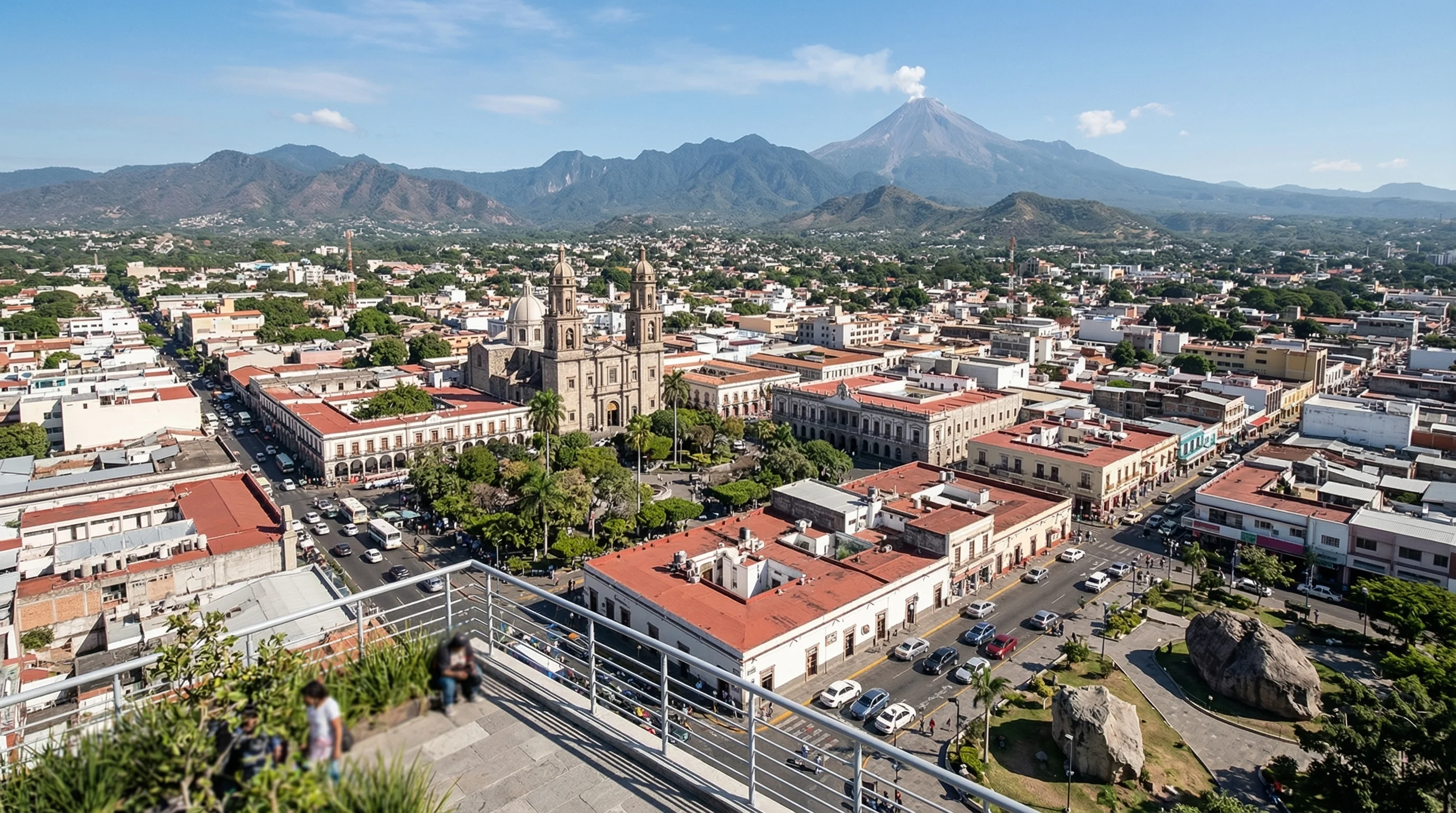
Colima, located on Mexico's Pacific coast, offers a strategic logistic advantage as both a production state and a gateway to international maritime routes via the Port of Manzanillo, one of Latin America's busiest ports. Its proximity to this major port facility simplifies export-import connectivity for cargo transiting the corridor to and from overseas markets. The state's economy is driven by powerful agricultural sectors, particularly in bananas, limes, and coffee, alongside growing manufacturing and tourism industries. This creates consistent demand for outbound freight of perishable goods and inbound raw materials. The transportation infrastructure is well-developed, featuring a dense network of federal highways, most notably Highway 200 running along the coast, which provides efficient north-south connectivity within the state and links to the broader Mexican highway system heading toward the southern borders.
 Destination
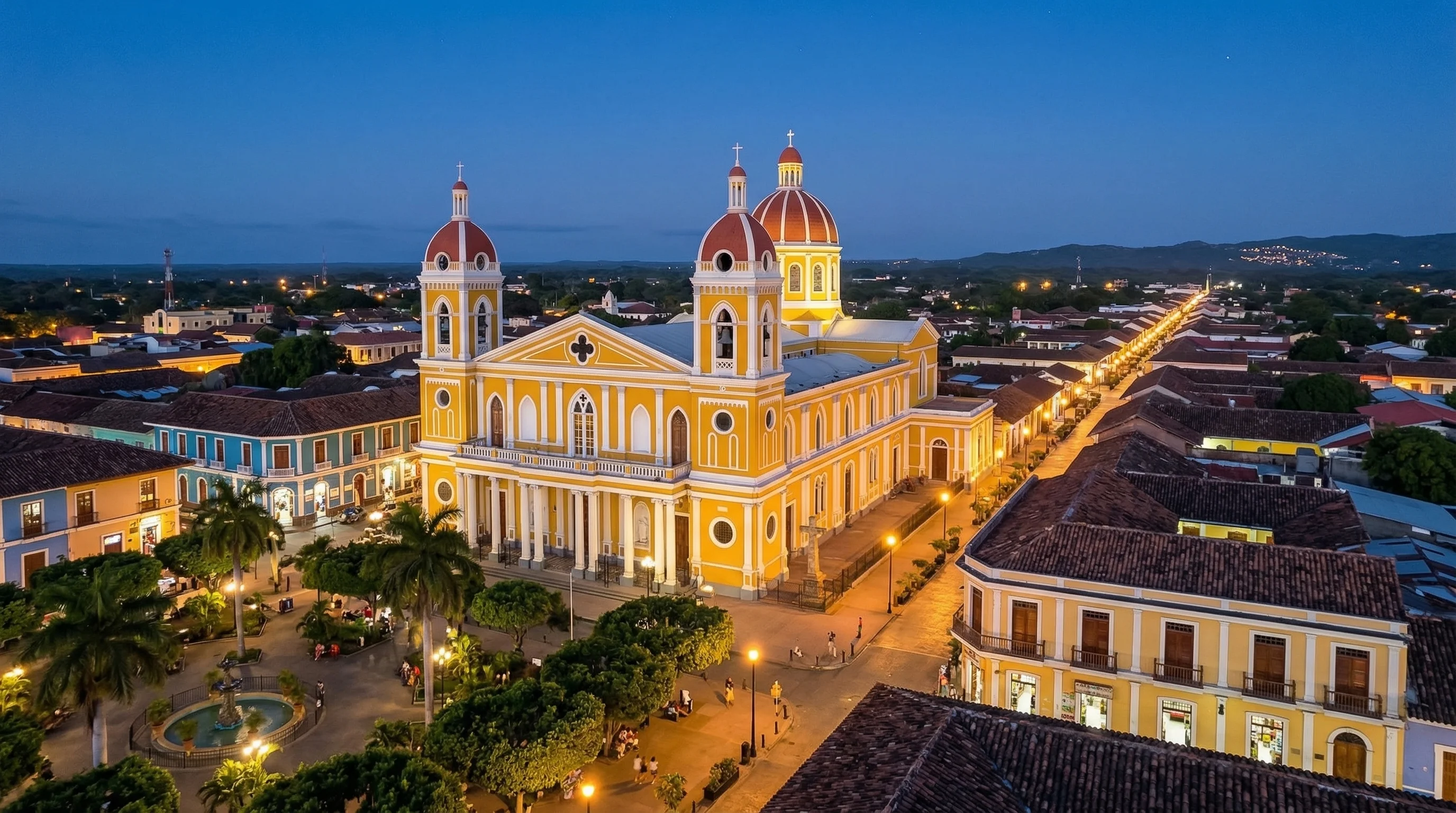
Granada, situated in southwestern Nicaragua, holds a pivotal logistic position as a central distribution hub for the country and a gateway to Costa Rica and the rest of Central America. Its location in the fertile valleys of Nicaragua makes it a natural center for the nation's agricultural output, including coffee, beef, and dairy. The city is also a significant node for light manufacturing and textile industries. Key infrastructure supporting logistics includes Nicaragua's primary north-south artery, Highway 1 (Carretera a Masaya/Granada), which connects Granada directly to the capital, Managua, and onward to the southern border crossings with Costa Rica (Peñas Blancas). This road network is essential for moving goods to and from the port of Corinto and for cross-border trade, making Granada a critical inland logistics node for the region.










