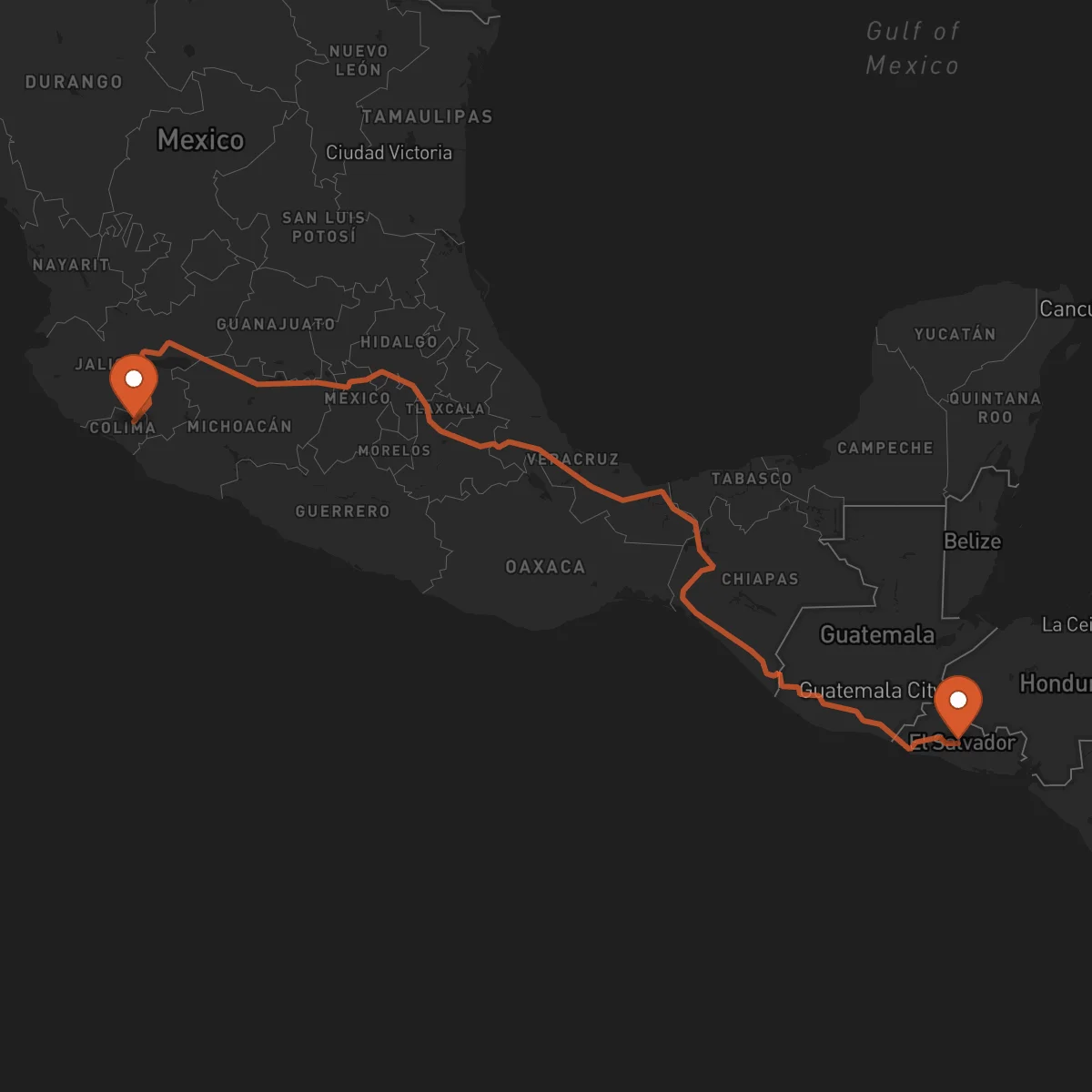
Cojutepeque to Colima
Colima → CojutepequeFTL freight transportation service between Cojutepeque and Colima. Reliable logistics solutions for your business.
Route Description
Everything you need to know about the corridor Cojutepeque - Colima
The Cojutepeque to Colima corridor is a vital north-south artery connecting the heart of El Salvador with Mexico’s strategic Pacific coast. Spanning approximately 1,691 kilometers, this cross-border route facilitates the seamless flow of goods between Central America and one of Mexico's most dynamic industrial and maritime hubs. Its strategic importance lies in bridging key production zones with major consumption markets and the crucial port of Manzanillo, a primary gateway for international trade on the Mexican Pacific. Economically, the corridor serves a region defined by robust agricultural output, growing manufacturing sectors, and a thriving logistics ecosystem centered on port access. Primary industries leveraging this route include agriculture (coffee, sugar, tropical fruits), food and beverage processing, textiles and apparel, and general manufactured goods requiring efficient market access. The backbone of the transportation infrastructure is the Pan-American Highway (CA-1) traversing El Salvador and Guatemala, seamlessly connecting to Mexico’s Federal Highway 200, which runs parallel to the Pacific coast directly to Colima. Critical border crossings, such as the Guatemala-Mexico frontier at Ciudad Hidalgo/Tapachula, are managed with precision. Control Terrestre facilitates operations on this complex corridor through our exclusive focus on Full Truckload (FTL) solutions and our strategic alliance network. Our providers' certifications, including C-TPAT and FAST, are instrumental in expediting customs clearance and ensuring secure, predictable cross-border movements, transforming this international route into a reliable supply chain link for our clients.
Services for this Route
Available services for the corridor Cojutepeque - Colima
 Origin
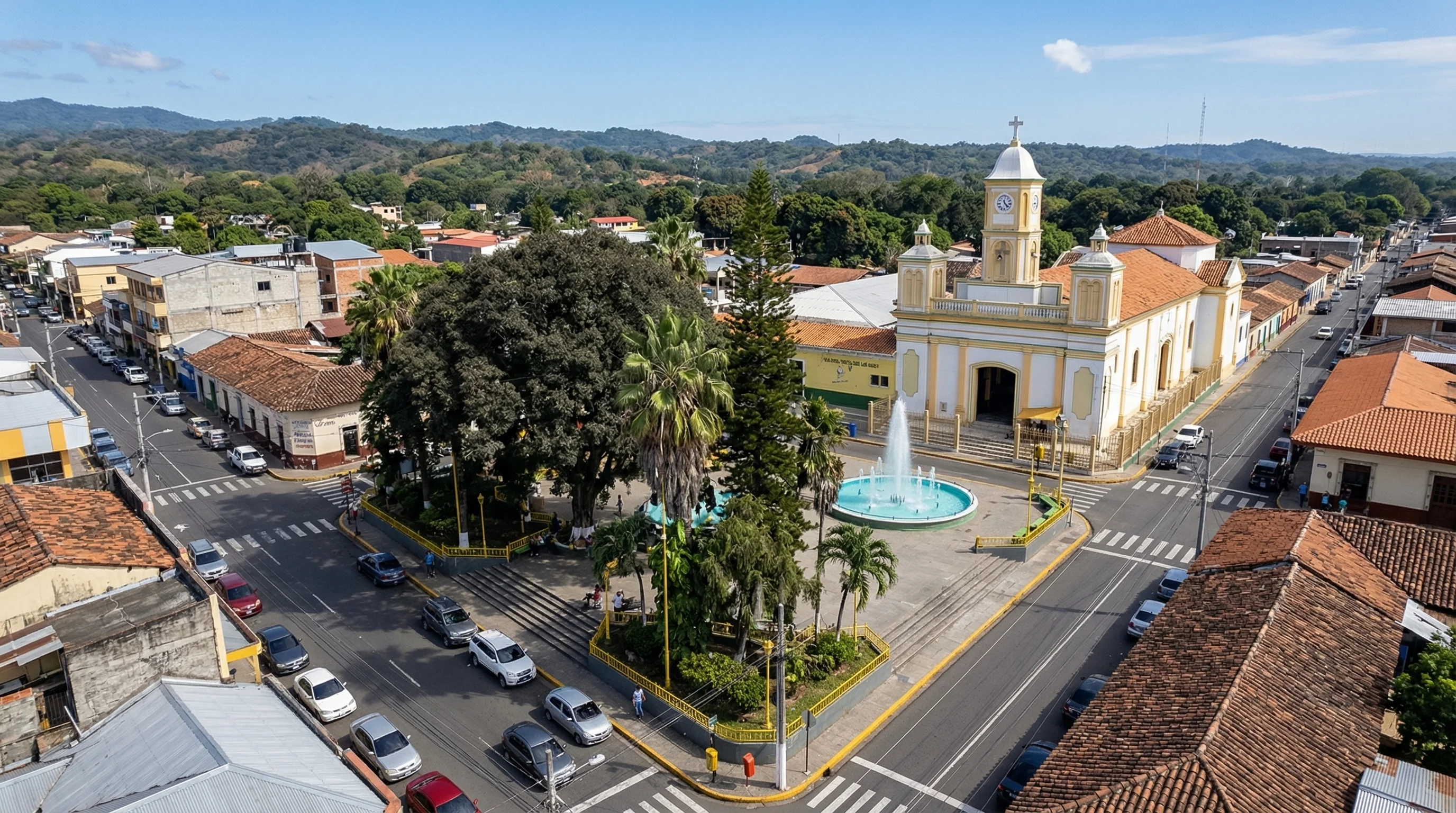
Cojutepeque
Cojutepeque, the capital of Cuscatlán department, holds a pivotal strategic location in central El Salvador. Situated just 45 kilometers from the capital, San Salvador, it functions as a key logistical nexus with direct access to the country's primary highway network. This positioning allows for efficient consolidation and distribution to and from all regions of El Salvador and the broader Central American isthmus. The local and regional economy is anchored by significant agricultural production, particularly sugarcane and coffee, supported by numerous mills and processing facilities. Additionally, the area hosts a vibrant textile and apparel manufacturing sector, along with light industrial activities serving both domestic and export markets. The available transportation infrastructure is robust, centered on the CA-1 highway which provides direct, paved connections north to the Guatemalan border and south to major ports like Acajutla. This highway infrastructure, combined with its central location, makes Cojutepeque an optimal origin point for full truckload shipments destined for international corridors.
 Destination
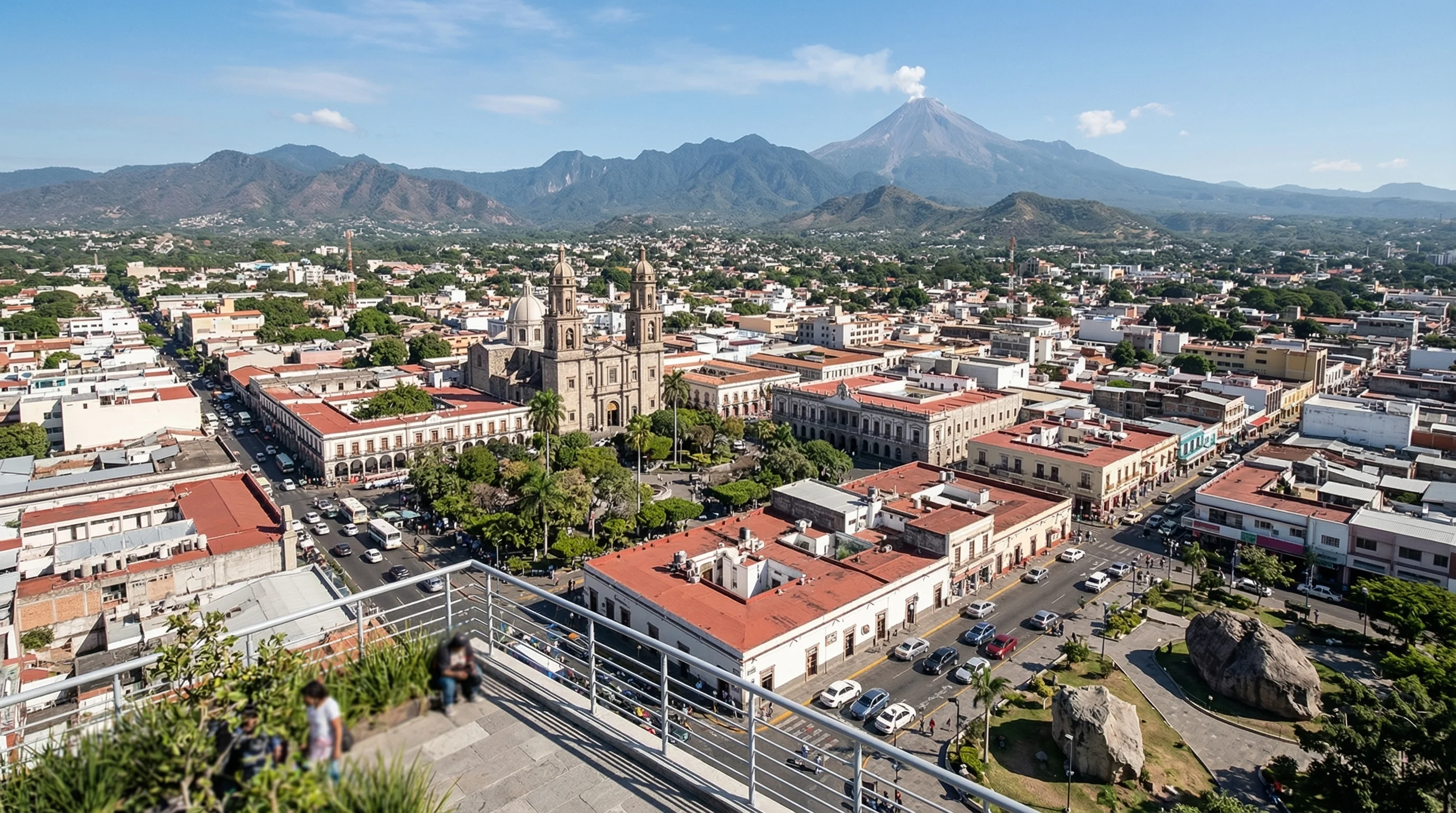
Colima, both a state and its capital city, is a strategic logistics powerhouse on Mexico’s Pacific coast. Its paramount importance stems from hosting the Port of Manzanillo, the country's busiest port for containerized cargo and a critical hub for trans-Pacific trade. This provides unparalleled access to Asian and global markets. The state's economy is diverse and export-oriented, dominated by agriculture (notably limes, bananas, and coconuts), fisheries, and a rapidly expanding manufacturing sector, including automotive and aerospace parts. Tourism also contributes significantly to the regional economy. The transportation infrastructure is world-class, featuring the deep-water port of Manzanillo with extensive rail and highway connections. Federal Highway 200 runs the length of the state, providing a direct coastal link to other major industrial centers in Jalisco and Michoacán, and connecting seamlessly to the national highway network. This combination of a premier port, dedicated industrial zones, and efficient north-south highway access solidifies Colima as an indispensable destination node for full truckload freight in Western Mexico.










