Cojutepeque to Charleston
Charleston → CojutepequeFTL freight transportation service between Cojutepeque and Charleston. Reliable logistics solutions for your business.
Route Description
Everything you need to know about the corridor Cojutepeque - Charleston
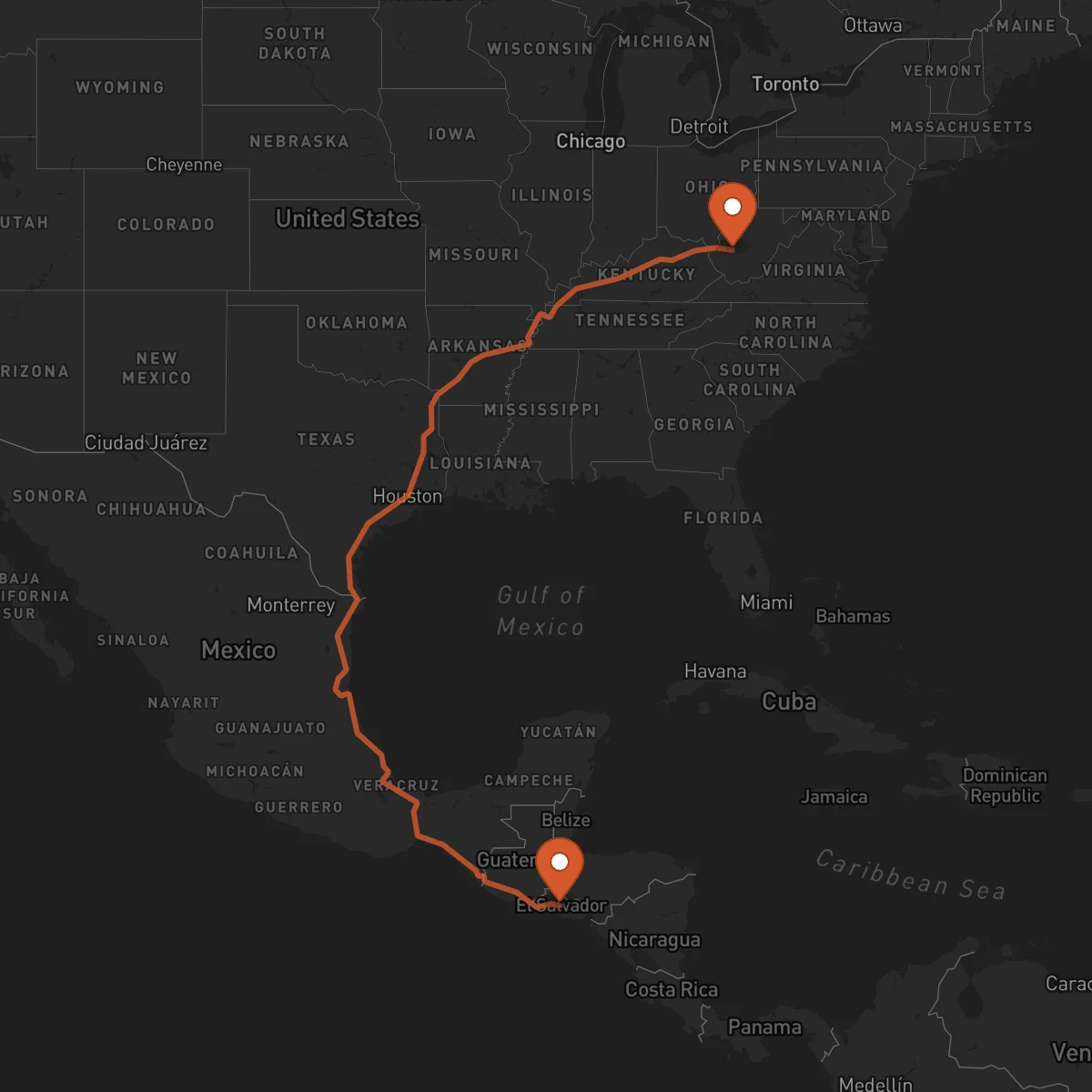
The Cojutepeque to Charleston corridor represents a vital north-south logistics artery connecting Central America's manufacturing heartland with key U.S. industrial and distribution hubs. Spanning approximately 2,832 km, this cross-border route is strategically essential for moving full truckload (FTL) freight efficiently across international boundaries. The economic context is defined by El Salvador's robust export-oriented manufacturing sector, particularly in textiles, apparel, and food processing, which relies on seamless access to the vast U.S. consumer market. Conversely, the destination region in West Virginia and the broader Appalachian area is a nexus for chemical products, polymers, machinery, and coal-related logistics, creating a strong bidirectional flow of goods.
Primary industries leveraging this corridor include apparel and textile manufacturers in El Salvador shipping finished goods, U.S. chemical and plastic producers exporting raw materials south, and agribusinesses moving perishable and processed food items in both directions. The transportation infrastructure backbone consists of El Salvador's CA-1 highway, which connects Cojutepeque to the main border crossings at El Poy (with Honduras) and later through Guatemala and Mexico. In the U.S., the route predominantly utilizes the Interstate Highway System, including I-77, a critical north-south artery that provides direct access to Charleston and connects to major Midwest and Eastern Seaboard markets.
Key border considerations involve navigating the complex CA-4 (Central America-4) customs union between El Salvador, Guatemala, Honduras, and Nicaragua, followed by the Mexico-U.S. border. Control Terrestre facilitates these operations through our strategic alliance of providers who hold essential certifications such as C-TPAT (Customs-Trade Partnership Against Terrorism) and FAST (Free and Secure Trade). These credentials expedite clearance at the U.S. border, reducing dwell time. Our expertise in managing documentation for cross-border FTL movements, including customs brokerage coordination and compliance with NAFTA/USMCA regulations, ensures a streamlined process from origin to destination door. We handle the complexities of the multi-national transit, providing a single point of contact for our clients' dedicated, expedited, or specialized cargo needs on this corridor.
Our service model is built on a robust network of experienced carriers equipped for the full journey. We coordinate the entire land bridge, from the agricultural plains around Cojutepeque through the varied terrains of Central America and Mexico, to the Appalachian foothills of West Virginia. This eliminates the need for our clients to manage multiple handoffs, offering continuity and accountability for their most critical FTL shipments, whether standard dry van, refrigerated, or specialized cargo.
Services for this Route
Available services for the corridor Cojutepeque - Charleston
 Origin
Cojutepeque
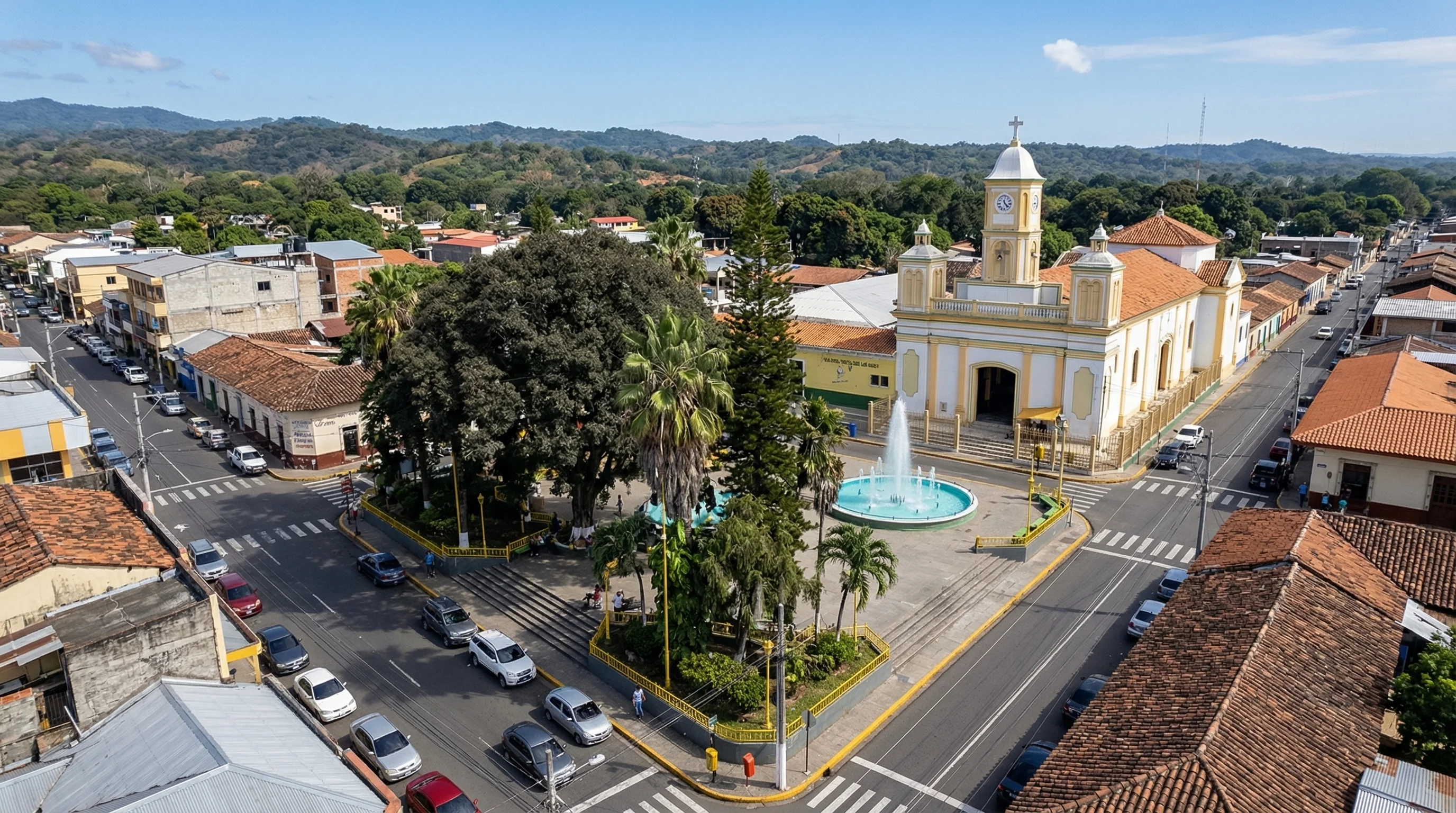
Cojutepeque, located in the Cuscatlán department of El Salvador, serves as a strategic inland logistics origin point within the country's central valley. Its location provides efficient access to the principal north-south highway, the CA-1, which is the main arterial route connecting the capital, San Salvador, to the borders with Guatemala and Honduras. This positioning makes it a natural hub for consolidating goods from the surrounding agricultural and industrial zones of central El Salvador. The city and its region are economic centers for food processing, particularly for staples like grains and sugar, and are part of the broader textile and apparel manufacturing belt that defines El Salvador's export economy. The available transportation infrastructure is anchored by the CA-1 highway, supporting reliable truck movement to the primary international border crossings at El Poy (Honduras) and later onward through Guatemala and Mexico. This infrastructure is critical for getting FTL freight to the start of the long cross-continental journey to the United States.
 Destination
Charleston
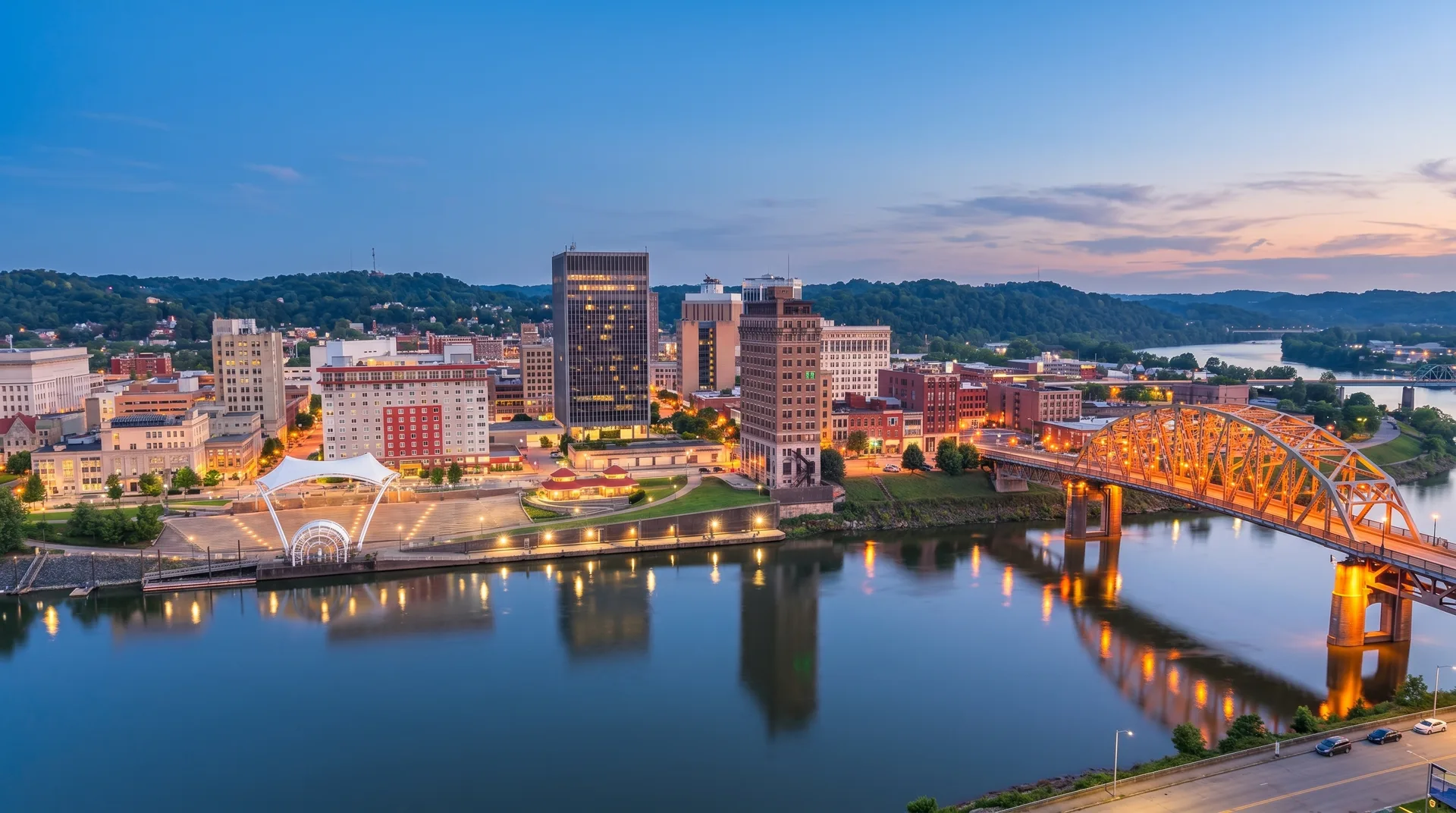
Charleston, the capital of West Virginia, is a strategic logistics destination at the confluence of the Kanawha and Elk Rivers. Its location in the Appalachian region provides a gateway to the industrial and energy markets of the Ohio River Valley and the broader Midwest. Charleston's economy is deeply tied to the chemical and polymer industry, with a major cluster known as the 'Chemical Valley,' alongside significant sectors in machinery, metal fabrication, and logistics services supporting the energy sector. The city is a key rail hub and is served by the critical Interstate 77 corridor, which runs north-south and provides direct, high-capacity highway access to major markets in Ohio, Kentucky, and onward to the Eastern Seaboard. This infrastructure makes Charleston an ideal endpoint for FTL shipments destined for regional distribution, manufacturing plants, and port facilities along the inland waterway system. The port of Charleston, while primarily a seaport, also supports significant barge traffic, creating intermodal opportunities for freight arriving via land.


Ready to ship your cargo?
Get a personalized quote for your freight.
Quote Now Cojutepeque - Charleston








