Mexico City to Granada
Granada → Mexico CityFTL freight transportation service between Mexico City and Granada. Reliable logistics solutions for your business.
Route Description
Everything you need to know about the corridor Mexico City - Granada
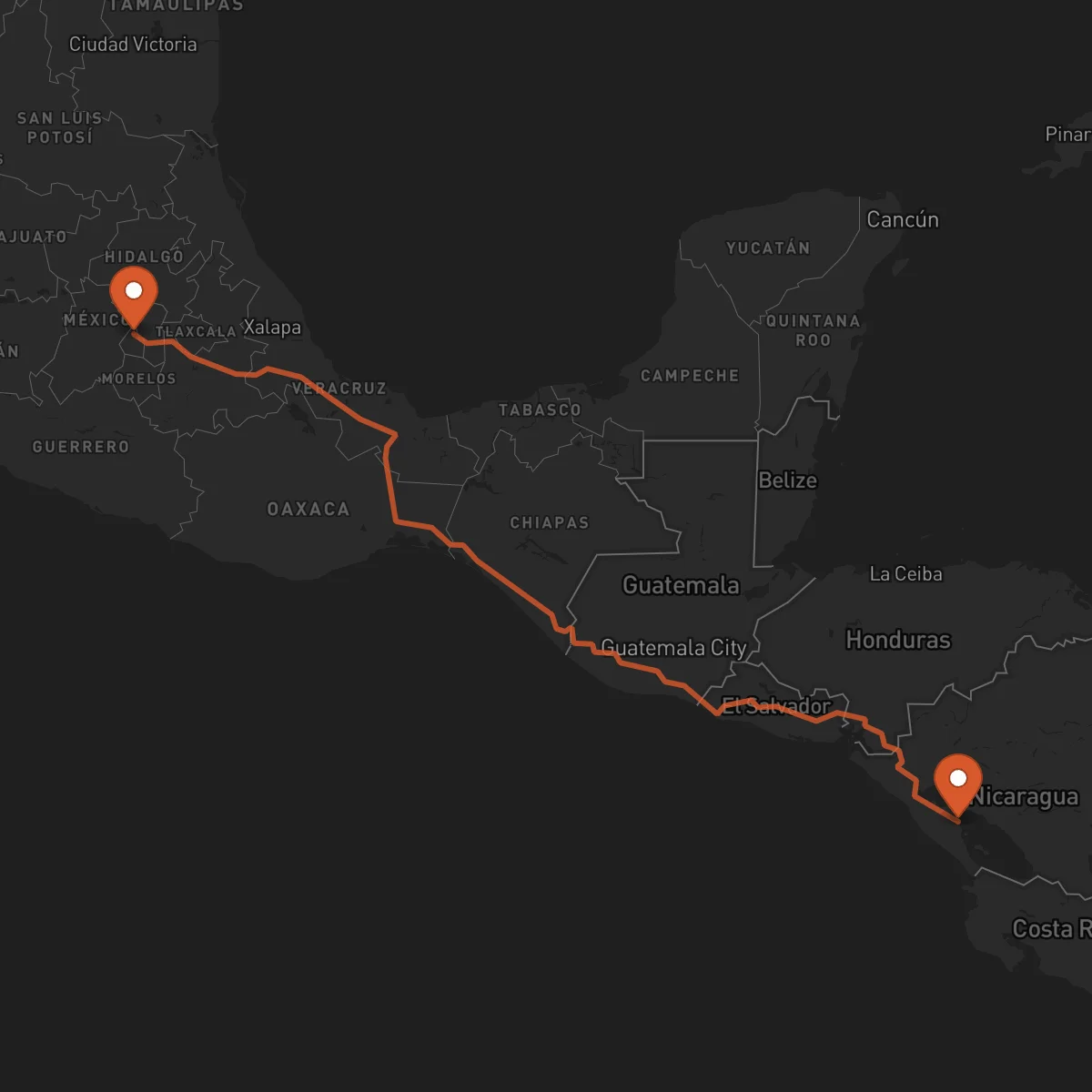
The logistics corridor connecting Ciudad de México with Granada, Nicaragua, represents a vital artery for cross-border trade across Central America. Spanning approximately 1,637 kilometers, this route bridges the industrial powerhouse of Mexico's central valley with the agricultural and emerging economic zones of southern Nicaragua. Its strategic importance lies in facilitating the efficient movement of goods between major manufacturing hubs and key consumption/production centers, supporting supply chain resilience for businesses operating throughout the region. This corridor is essential for companies looking to tap into both Mexico's sophisticated industrial output and Nicaragua's rich agricultural resources, including coffee, beef, and seafood.
Economically, the corridor serves a diverse landscape. The origin in Ciudad de México is anchored by advanced manufacturing, automotive, aerospace, and high-tech industries. In contrast, Granada and its surrounding region in Nicaragua are predominantly agricultural, with significant contributions from livestock, coffee plantations, and growing tourism-related commerce. The flow typically involves transporting manufactured goods, machinery, and consumer products southward, while northbound movements carry raw agricultural commodities, seafood, and artisanal products. This bi-directional trade underpins regional economic integration and meets the demand for reliable, long-haul freight solutions.
Transportation infrastructure along this corridor relies primarily on a network of federal highways. In Mexico, the route begins on major toll roads like the México-Puebla highway (150D), connecting to the southern network toward the Guatemala border. Upon crossing into Guatemala, the Pan-American Highway (CA-1) becomes the backbone, traversing the country and continuing through Honduras (CA-5, CA-3) before entering Nicaragua near Las Manos. In Nicaragua, the Pan-American Highway (CA-1) continues directly to Granada. Key border crossings, such as Ciudad Hidalgo/Tecún Umán (Mexico-Guatemala) and subsequent points like Agua Caliente (Guatemala-Honduras) and Las Manos (Honduras-Nicaragua), are critical nodes. Each crossing involves customs procedures, and efficiency depends on proper documentation, compliance with regulations like C-TPAT and FAST, and experienced management of local processes.
Control Terrestre facilitates seamless operations on this complex cross-border corridor through our robust alliance of certified transportation providers. Our network partners hold essential certifications including C-TPAT, FAST, and BASC, which streamline customs clearance and enhance security protocols at each international boundary. We exclusively provide Full Truckload (FTL) solutions—including dedicated, expedited, and specialized options for refrigerated or oversized cargo—ensuring a single, secure shipment from door in Mexico to door in Nicaragua. Our expertise in coordinating the multi-national logistics, managing border transition points, and utilizing appropriate equipment like 53' dry vans or reefers, allows us to offer our clients a streamlined, human-centric, and efficient service for this demanding international route.
Services for this Route
Available services for the corridor Mexico City - Granada
 Origin
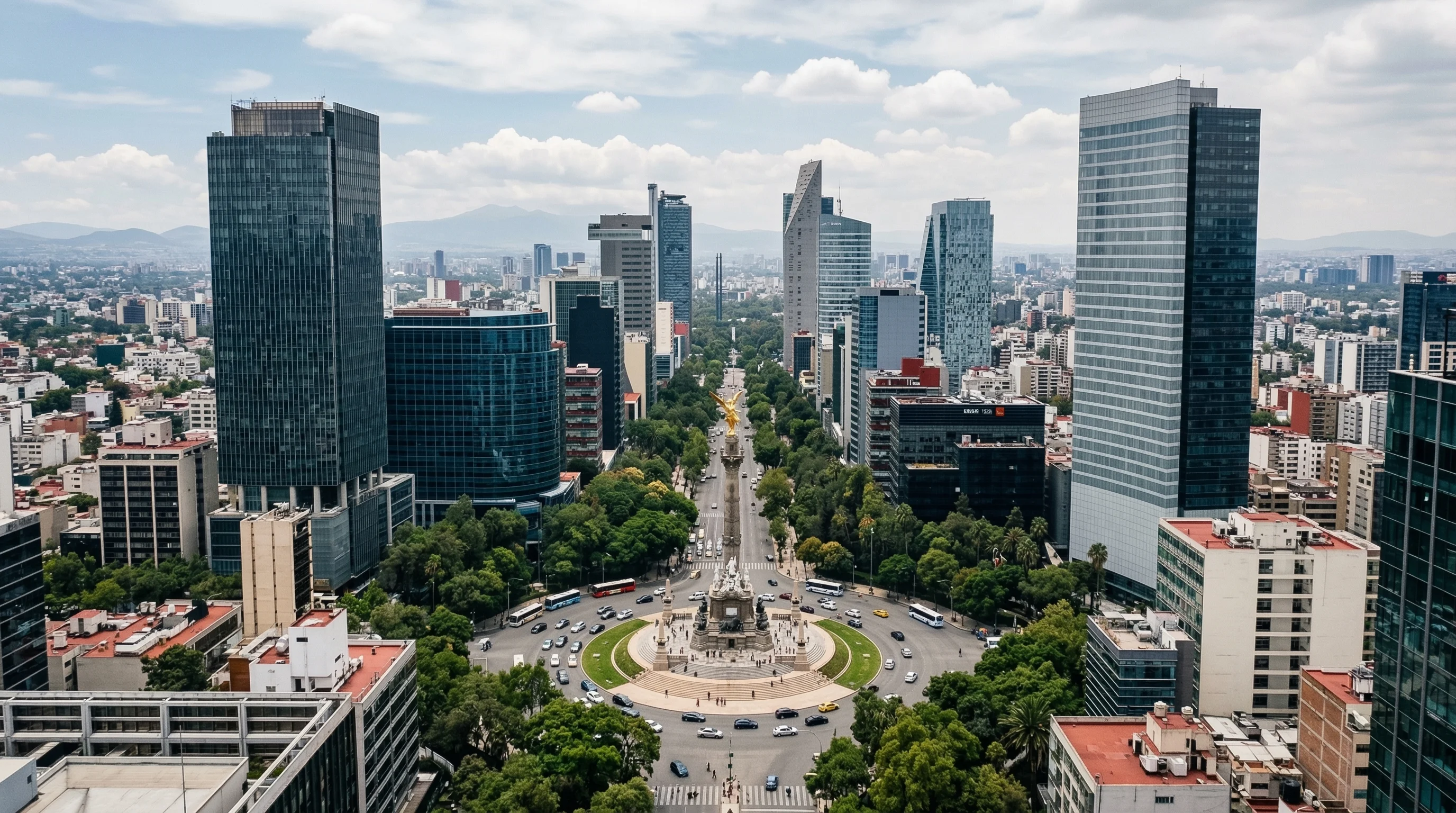
Mexico City
Ciudad de México stands as a monumental strategic logistics hub for North America. As the capital and largest metropolitan area of Mexico, it offers unparalleled connectivity to the country's primary seaports (Veracruz, Manzanillo), airports, and industrial corridors. Its central location provides direct access to major domestic highways, making it an ideal origin point for distribution across Mexico and onward to international borders. The city's economy is dominated by high-value manufacturing sectors, including automotive and aerospace assembly, electronics, medical devices, and consumer goods. This industrial density generates consistent, high-volume freight demand for outbound logistics. The available transportation infrastructure is world-class, featuring an extensive network of toll roads, the bustling Mexico City International Airport for air cargo, and rail connections. For ground freight, the city serves as the nexus for the federal highway system, enabling efficient access to southern borders and the critical corridor toward Central America.
 Destination
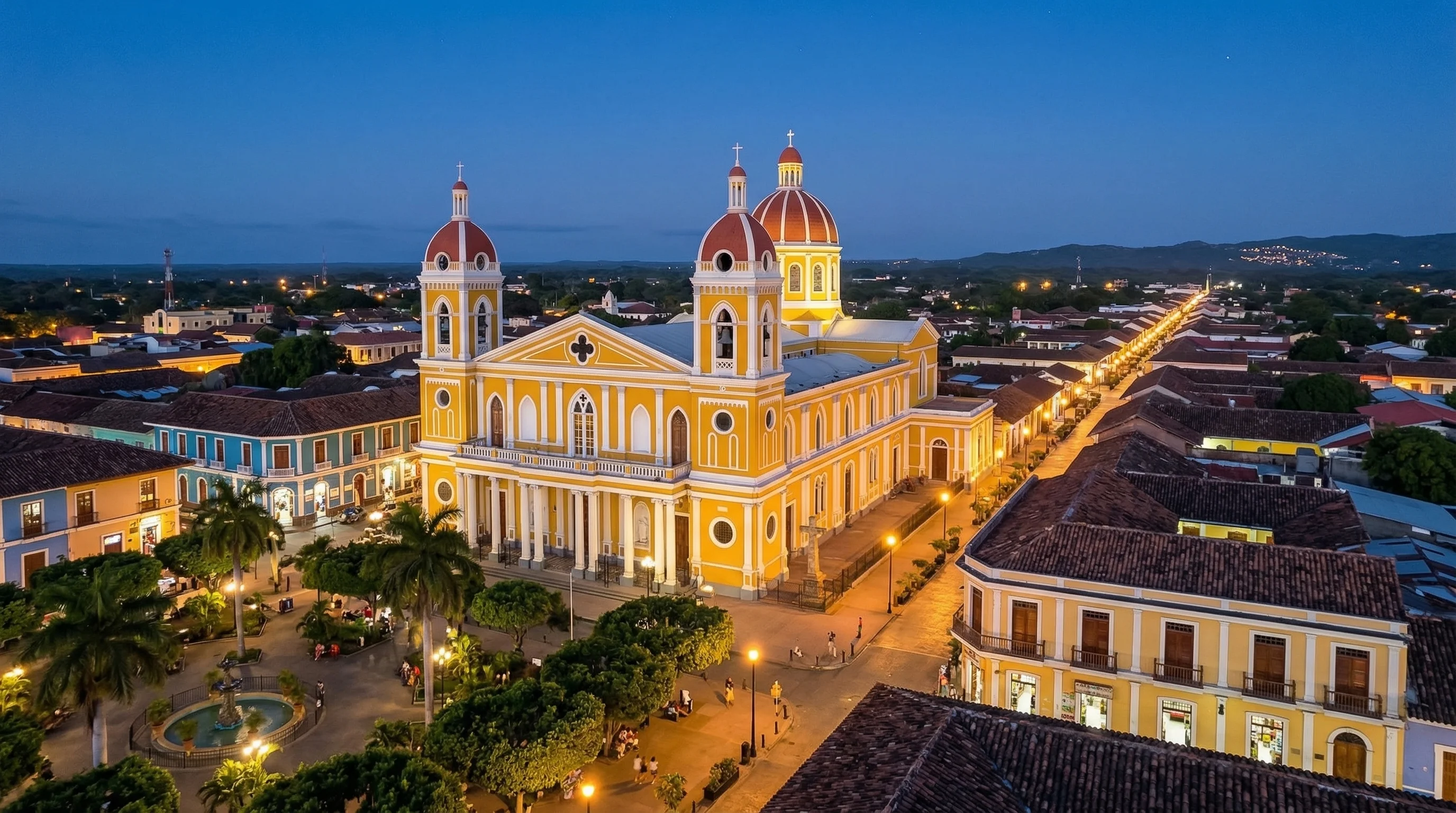
Granada, Nicaragua, is a strategically significant logistics destination in Central America, positioned on the shores of Lake Nicaragua and serving as a commercial gateway for the country's southern region. Its location provides access to the Pan-American Highway, the main north-south artery connecting Nicaragua to its neighbors. Economically, Granada and the surrounding department of Granada are a powerhouse of agriculture and livestock, producing a substantial portion of Nicaragua's coffee, beef, dairy, and seafood. The region also benefits from a growing tourism sector, which contributes to the movement of goods and services. The primary transportation infrastructure is the paved Pan-American Highway (CA-1), which runs directly through the city, facilitating road transport from the Honduran border and to other Nicaraguan cities like Managua and the Pacific port of Corinto. While infrastructure is less dense than major metropolitan hubs, the highway network provides the essential conduit for FTL freight to and from this productive agricultural heartland.


Ready to ship your cargo?
Get a personalized quote for your freight.
Quote Now Mexico City - Granada








