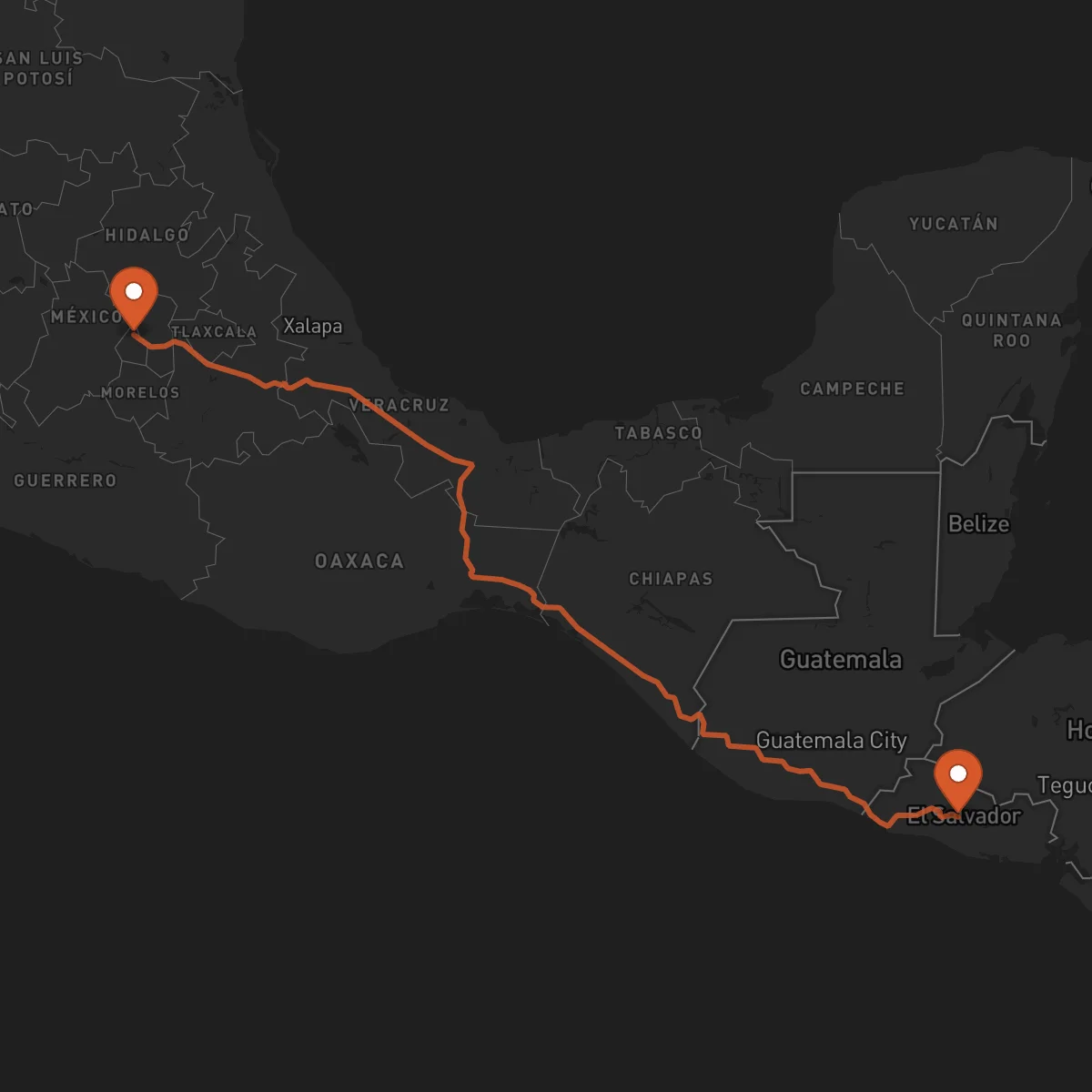
Mexico City to Cojutepeque
Cojutepeque → Mexico CityFTL freight transportation service between Mexico City and Cojutepeque. Reliable logistics solutions for your business.
Route Description
Everything you need to know about the corridor Mexico City - Cojutepeque
The logistics corridor connecting Mexico City, Mexico, to Cojutepeque, El Salvador, represents a critical north-south artery for trade between Central America and one of Mexico's primary economic hubs. This cross-border route, stretching approximately 1,258 kilometers, is strategically vital for moving full truckload (FTL) freight efficiently across international boundaries, supporting the integrated supply chains of the region. The corridor facilitates the flow of goods through a complex but well-established network of highways and border crossings, navigating the地理 and regulatory landscapes of Mexico, Guatemala, and El Salvador. Its importance is underscored by the volume of manufactured goods, agricultural products, and industrial materials that traverse this path daily, making it a backbone for regional commerce.
Economically, this corridor links the powerhouse industrial and consumer market of the Mexico City metropolitan area—one of the largest in the Americas—with the productive agricultural and manufacturing zones of central El Salvador. Key industries leveraging this route include food and beverage processing, pharmaceuticals, consumer packaged goods, construction materials, and textiles. The movement of refrigerated goods is particularly significant, connecting Salvadoran producers of staples like coffee, sugar, and tropical fruits with Mexican distribution centers and vice versa for processed foods. The corridor also supports the automotive and electronics sectors by moving components and finished goods between assembly plants and distribution hubs.
The primary transportation infrastructure relies on a series of major highways. From Mexico City, the route typically utilizes Mexican Federal Highway 150D towards the southern border. After crossing into Guatemala at points like Tecún Umán/ Ciudad Hidalgo, the journey continues through Guatemalan highways such as CA-1 and CA-2 before reaching the El Salvador border. Within El Salvador, the CA-1 and RN-4 are pivotal arteries leading directly to Cojutepeque and the broader central region. Navigating the border process is a key operational consideration; crossings require meticulous documentation and compliance with customs regulations of three nations. Control Terrestre facilitates seamless operations on this corridor by leveraging our alliance of certified providers. Our partners hold essential credentials like C-TPAT, FAST, and BASC, which streamline customs procedures and enhance security. We manage the entire cross-border complexity, coordinating dedicated FTL, expedited, and specialized equipment—including reefers for temperature-sensitive cargo and flatbeds for oversized items—ensuring a single point of contact for our clients' door-to-door shipments from origin to destination.
Services for this Route
Available services for the corridor Mexico City - Cojutepeque
 Origin
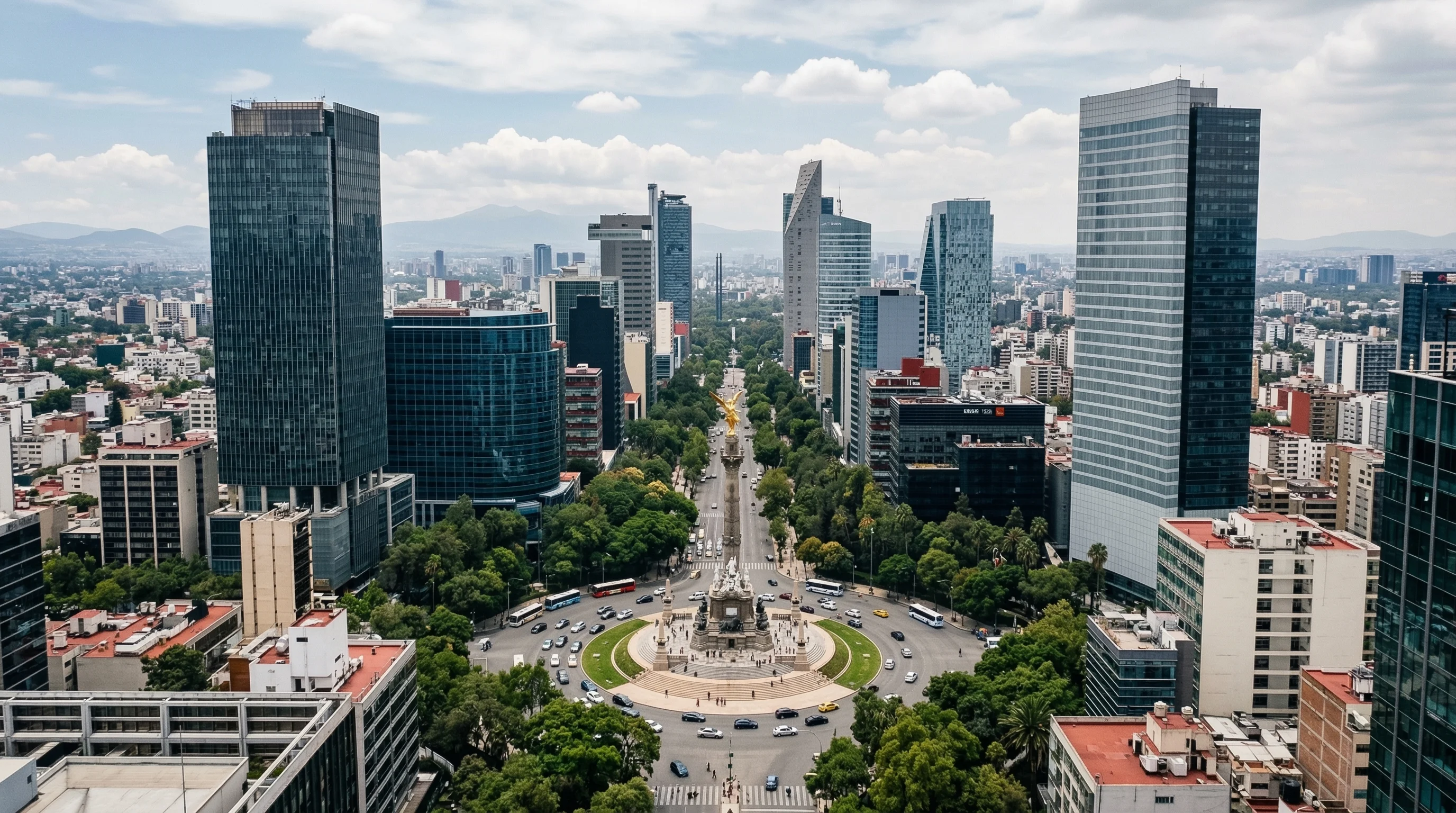
Mexico City
Mexico City, the capital of Mexico, serves as an unparalleled strategic logistics hub for national and international freight. Its location in the heart of the country provides direct access to the massive consumer market of the Mexico City metropolitan area, one of the largest in the world, and acts as a primary gateway to the country's industrial north and the southern border. The city is a colossal economic engine, with dominant sectors including advanced manufacturing (automotive, aerospace, electronics), finance, professional services, and high-tech industries. It is also a major production center for food, beverages, and pharmaceuticals, generating immense volumes of outbound freight. The transportation infrastructure is exceptionally robust, featuring a dense network of federal highways (like the 150D, 57, and 95) that radiate in all directions. It is also served by Mexico's busiest airport, Felipe Ángeles International Airport (AIFA), and the historic Mexico City International Airport (AICM), which handle significant air cargo, complementing ground transport. Major rail terminals further enhance its multimodal connectivity, making it an optimal consolidation point for FTL shipments heading south.
 Destination
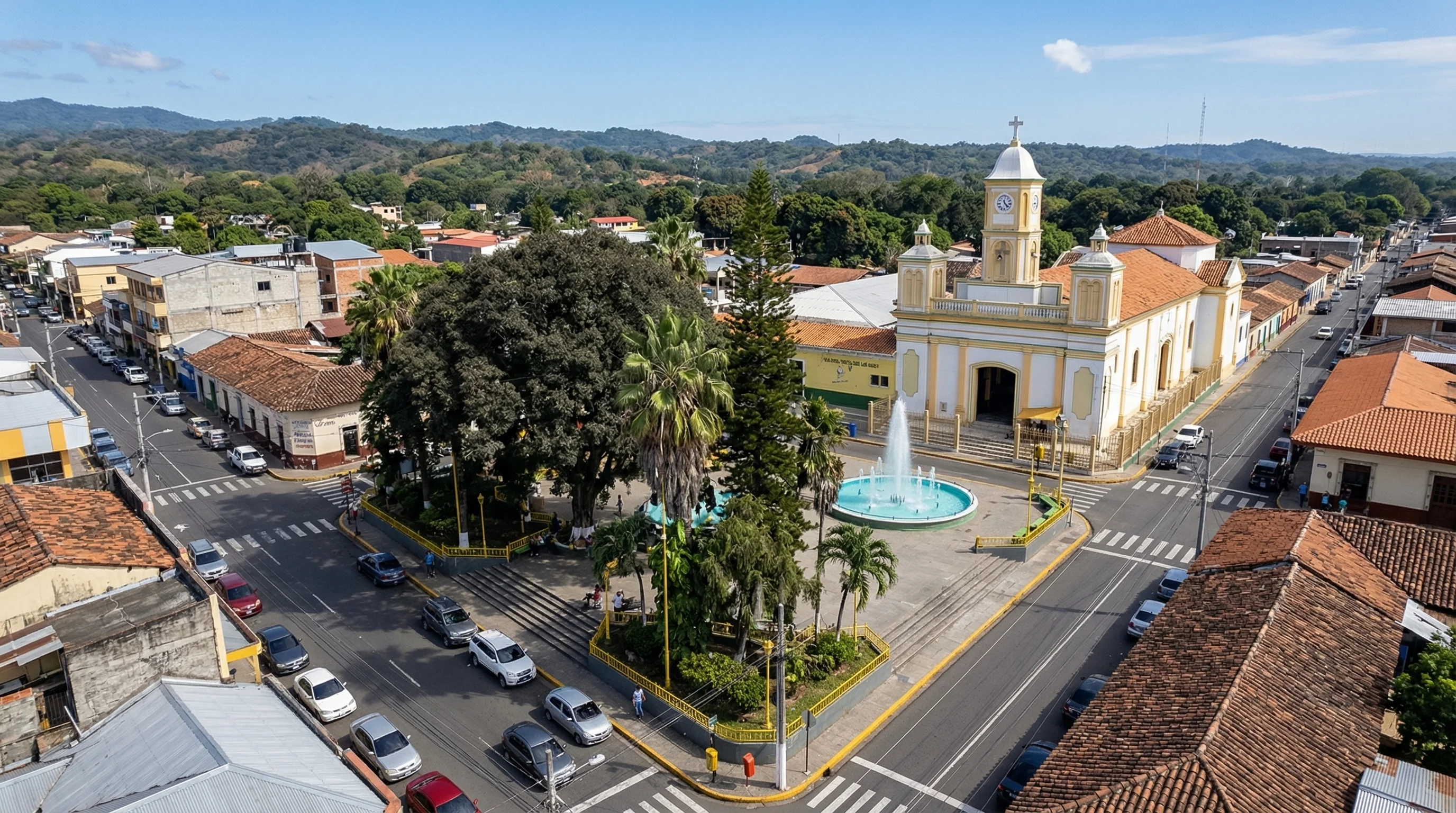
Cojutepeque
Cojutepeque, the capital of the Cuscatlán department in El Salvador, holds a strategically central position within the country's logistics landscape. Located just 30 kilometers east of San Salvador, it benefits from proximity to the nation's capital, main seaports (Acajutla, La Libertad), and primary international airport. This makes it a crucial inland distribution and manufacturing hub for the central region. Economically, the area is deeply rooted in agriculture, forming part of El Salvador's 'agricultural belt,' with significant production of sugarcane, coffee, corn, and vegetables. However, it has also developed a strong industrial base, hosting numerous maquilas (textile and apparel factories), food processing plants, and facilities for plastic and metal products. The available transportation infrastructure is focused on road networks; the RN-4 (Carretera a Cojutepeque) is the main highway connecting it directly to San Salvador and the CA-1 pan-American highway, which runs east-west across the country and connects to the borders with Honduras and Guatemala. This road-centric setup makes efficient FTL trucking the dominant and most effective mode for moving goods to and from this key economic zone.


Ready to ship your cargo?
Get a personalized quote for your freight.
Quote Now Mexico City - Cojutepeque








