
Chicago to Somoto
Somoto → ChicagoFTL freight transportation service between Chicago and Somoto. Reliable logistics solutions for your business.
Route Description
Everything you need to know about the corridor Chicago - Somoto
The Chicago-Somoto corridor represents a vital cross-border logistics connection between the United States and Nicaragua, spanning approximately 3,160 kilometers through diverse terrain and multiple countries. This route serves as a critical link for companies operating in the Midwest region seeking to establish reliable supply chains with Central American markets.
The corridor begins in Chicago, a major transportation hub in the American Midwest, and extends southward through key U.S. states before crossing into Mexico and continuing through Guatemala and Honduras before reaching Nicaragua. The route primarily utilizes major interstate highways in the United States, transitioning to Mexican federal highways and Central American road networks as it progresses south.
Key border crossings include Laredo-Nuevo Laredo and El Florido-Ciudad Hidalgo, where proper documentation and customs compliance are essential for smooth transit. Control Terrestre's expertise in cross-border operations ensures seamless navigation through these critical checkpoints, with our certified carriers maintaining C-TPAT and other trade compliance certifications.
This corridor serves industries including automotive parts, electronics, agricultural products, and consumer goods. The route's strategic importance continues to grow as companies seek to diversify their supply chains and establish more direct connections between North American manufacturing centers and Central American markets.
Services for this Route
Available services for the corridor Chicago - Somoto
 Origin
Chicago
Chicago stands as one of North America's most strategic logistics hubs, located at the crossroads of major transportation networks in the American Midwest. The city's central geographic position provides unparalleled access to both coastal regions and inland markets, making it an ideal origin point for cross-border freight operations. Chicago's extensive transportation infrastructure includes O'Hare International Airport, multiple intermodal rail terminals, and direct access to interstate highways I-90, I-94, and I-80.
The Chicago metropolitan area hosts a diverse industrial base including manufacturing, food processing, agricultural equipment, and technology sectors. The region's robust logistics ecosystem features numerous warehousing and distribution centers, providing flexible options for freight consolidation and preparation. Chicago's status as a major economic center, combined with its sophisticated transportation infrastructure, makes it an optimal starting point for shipments destined for Central American markets.
 Destination
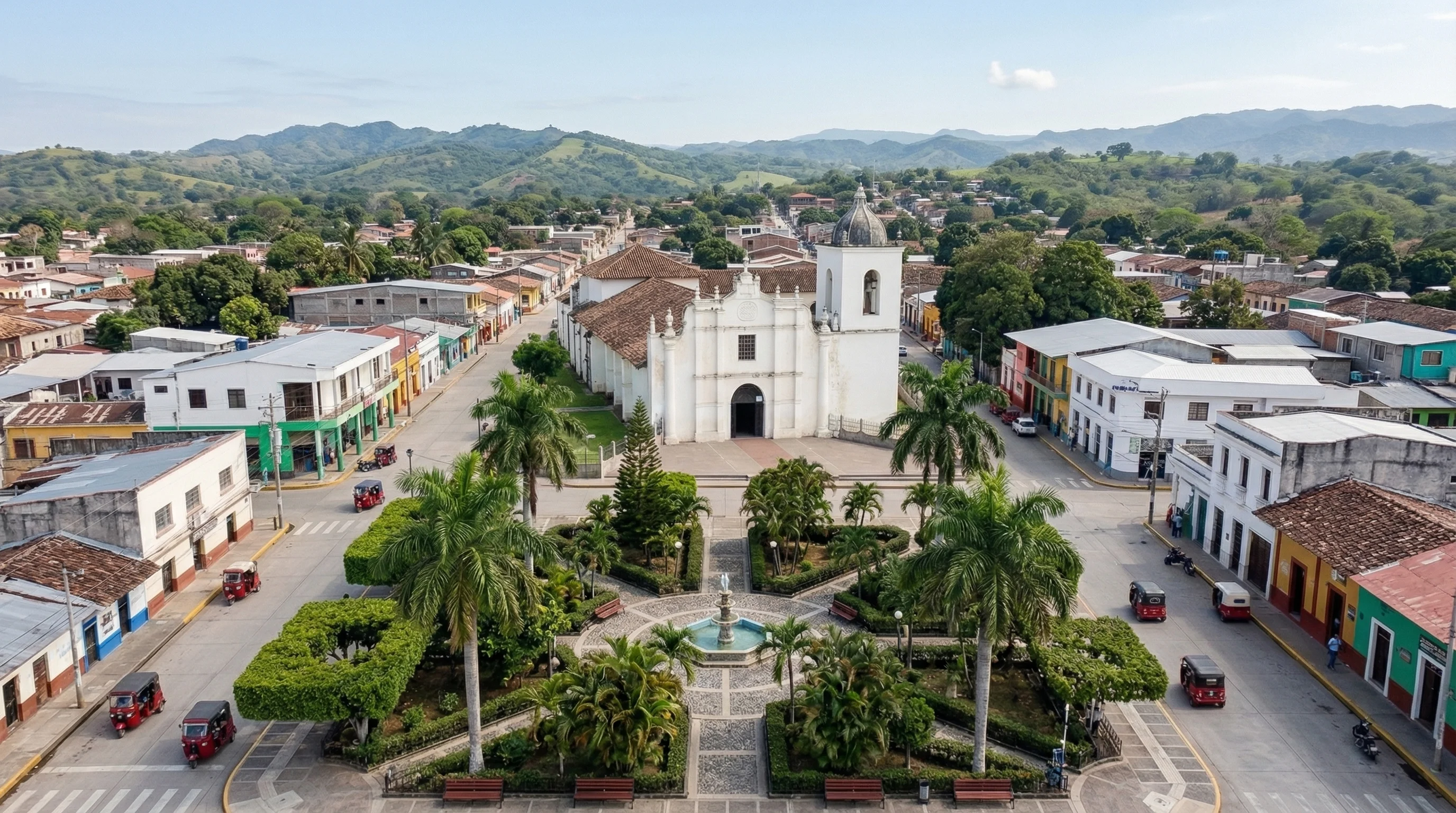
Somoto, located in the Madriz department of northern Nicaragua, serves as an important commercial center with strategic access to both domestic and international markets. The city's location near the Honduran border provides valuable cross-border trade opportunities, while its position within Nicaragua's agricultural heartland connects it to regional production centers. Somoto's growing commercial infrastructure includes warehousing facilities and distribution networks serving the northern region of Nicaragua.
The local economy benefits from agricultural production, including coffee, tobacco, and various crops, as well as light manufacturing and commercial activities. While transportation infrastructure continues to develop, Somoto maintains connections to Nicaragua's national highway system, providing access to major ports and economic centers. The city's strategic location makes it an important destination for freight services connecting North American suppliers with Central American markets.










