
Chicago to Salamá
Salamá → ChicagoFTL freight transportation service between Chicago and Salamá. Reliable logistics solutions for your business.
Route Description
Everything you need to know about the corridor Chicago - Salamá
The logistics corridor connecting Chicago, Illinois to Salamá, Baja Verapaz represents a vital cross-border freight transportation route spanning approximately 2,989 kilometers. This corridor serves as a crucial link between the industrial heartland of the United States and the growing economic centers of Guatemala, facilitating the movement of goods that drive trade between North and Central America. The route traverses diverse terrain and crosses multiple international borders, requiring specialized expertise in cross-border logistics operations.
This corridor is particularly significant for industries such as automotive parts, electronics, machinery, and consumer goods moving from the Chicago region to Central American markets. Chicago's strategic location as a major transportation hub in the Midwest makes it an ideal origin point for freight destined for Guatemala and beyond. The route primarily utilizes major interstate highways including I-55, I-40, and I-10, connecting to Mexican Federal Highways before continuing south through Central America.
Key border crossings include Laredo/Nuevo Laredo and El Paso/Ciudad Juárez, where specialized customs clearance and documentation expertise is essential. Control Terrestre facilitates seamless operations along this corridor through our extensive network of certified carriers, comprehensive customs brokerage services, and real-time tracking capabilities. Our team ensures compliance with all cross-border regulations while maintaining the integrity and security of your freight throughout the entire journey from Chicago to Salamá.
Services for this Route
Available services for the corridor Chicago - Salamá
 Origin
Chicago
Chicago stands as one of North America's most strategic logistics hubs, located in the heart of the Midwest with unparalleled transportation infrastructure. The city serves as a major convergence point for rail, road, air, and water transportation networks, making it an ideal origin for freight distribution across the continent. Chicago's O'Hare International Airport ranks among the busiest cargo airports globally, while its extensive rail yards and intermodal facilities handle millions of tons of freight annually.
The Chicago metropolitan area is home to diverse industries including manufacturing, food processing, pharmaceuticals, automotive, and technology sectors. The region's economic strength is supported by a highly skilled workforce and proximity to major consumer markets in the eastern United States. With its extensive network of interstate highways radiating in all directions, Chicago provides efficient access to both coastal ports and inland destinations, making it a logical starting point for cross-border freight movements to Central America.
 Destination
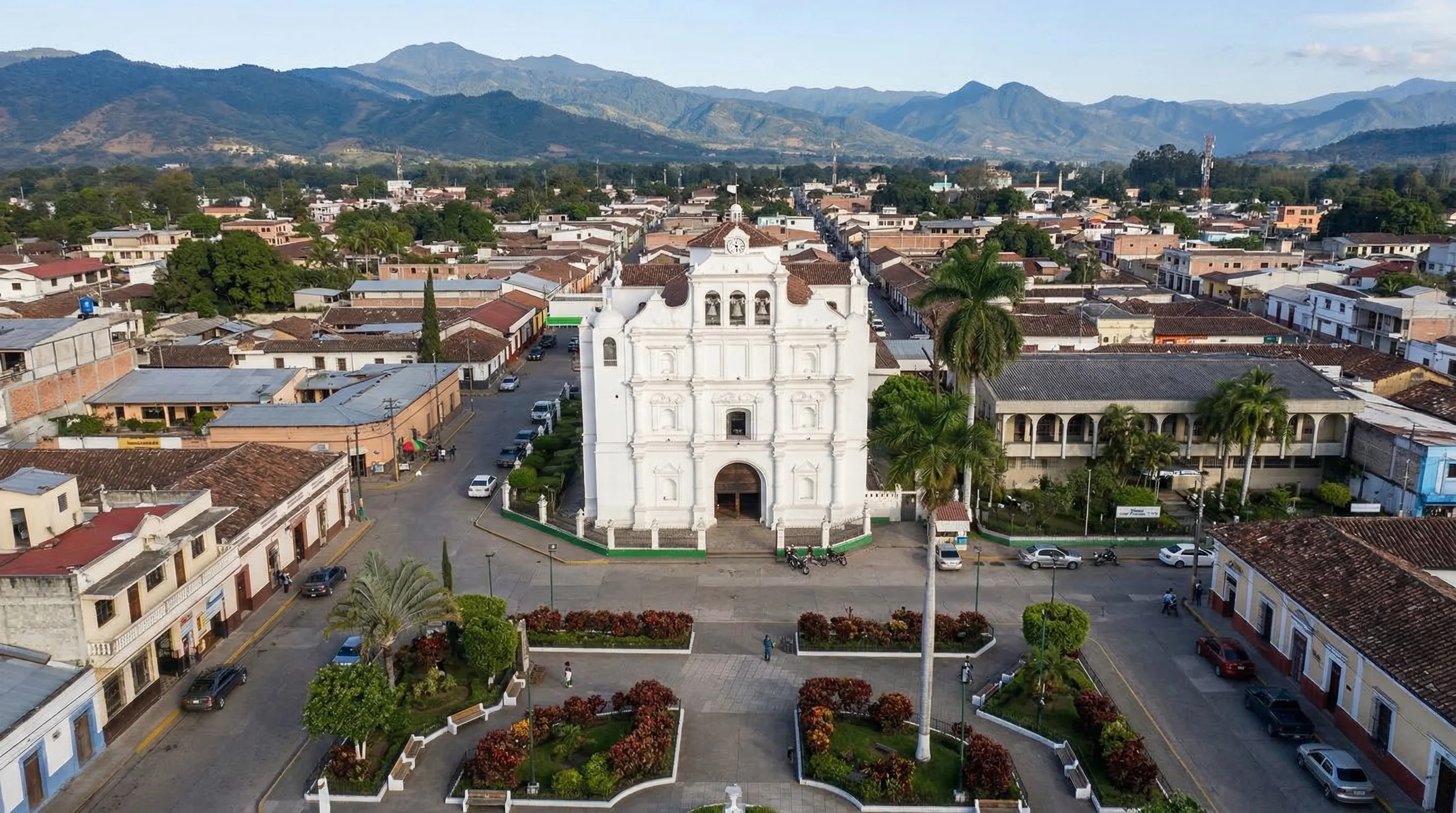
Salamá
Salamá, located in Baja Verapaz, Guatemala, serves as an important regional center within the country's growing logistics network. The city's strategic position in the central highlands provides access to major transportation routes connecting Guatemala City with the northern and eastern regions of the country. Salamá benefits from Guatemala's improving infrastructure development, including upgraded highways and expanding warehousing facilities that support regional distribution operations.
The area surrounding Salamá is characterized by agricultural production, light manufacturing, and emerging industrial parks that are attracting investment from both domestic and international companies. The local economy is supported by Guatemala's broader economic growth, with increasing demand for imported goods and materials. Salamá's location offers relatively efficient ground transportation connections to major ports like Puerto Quetzal and Santo Tomás de Castilla, facilitating international trade flows. The region's developing logistics infrastructure continues to improve, making it an increasingly viable destination for cross-border freight operations.










