
Chicago to Rivas
Rivas → ChicagoFTL freight transportation service between Chicago and Rivas. Reliable logistics solutions for your business.
Route Description
Everything you need to know about the corridor Chicago - Rivas
The Chicago to Rivas logistics corridor represents a vital trade link between the industrial heartland of the United States and the emerging markets of Central America. This 3,391 km cross-border route connects one of North America's major transportation hubs with Nicaragua's Pacific coast, facilitating the movement of goods between manufacturing centers and growing consumer markets. The corridor traverses multiple countries and diverse geographic regions, requiring specialized expertise in cross-border operations and regulatory compliance.
The economic significance of this route extends beyond simple transportation, supporting international trade relationships and supply chain integration between North and Central America. Chicago's position as a major logistics center provides access to extensive rail networks, international airports, and trucking infrastructure that feeds into this corridor. The route serves as a critical pathway for various industries seeking to establish or maintain trade connections between the United States and Nicaragua, with particular emphasis on manufacturing components, consumer goods, and agricultural products.
Key transportation infrastructure along this corridor includes major interstate highways connecting Chicago to southern U.S. border crossings, followed by Central American highway systems leading to Rivas. The route typically involves crossing through Mexico and other Central American countries, requiring coordination with multiple customs authorities and transportation providers. Control Terrestre's expertise in managing these complex cross-border operations ensures seamless freight movement, handling all necessary documentation, customs clearance, and regulatory compliance while providing reliable full truckload services throughout the entire journey.
Services for this Route
Available services for the corridor Chicago - Rivas
 Origin
Chicago
Chicago stands as one of North America's premier logistics hubs, strategically positioned in the heart of the United States with unparalleled transportation connectivity. The city serves as a critical convergence point for rail networks, interstate highways, and air cargo facilities, making it an ideal origin point for international freight movements. Chicago's extensive infrastructure includes multiple intermodal terminals, warehousing facilities, and distribution centers that support efficient cargo handling and consolidation for cross-border shipments.
The Chicago metropolitan area hosts a diverse industrial base spanning manufacturing, food processing, pharmaceuticals, automotive, and consumer goods sectors. This industrial diversity creates substantial freight volumes moving in multiple directions, supporting year-round logistics operations. The region's economic strength, combined with its central geographic location, provides excellent connectivity to both coasts and international borders, making it an optimal starting point for shipments destined for Central American markets.
 Destination
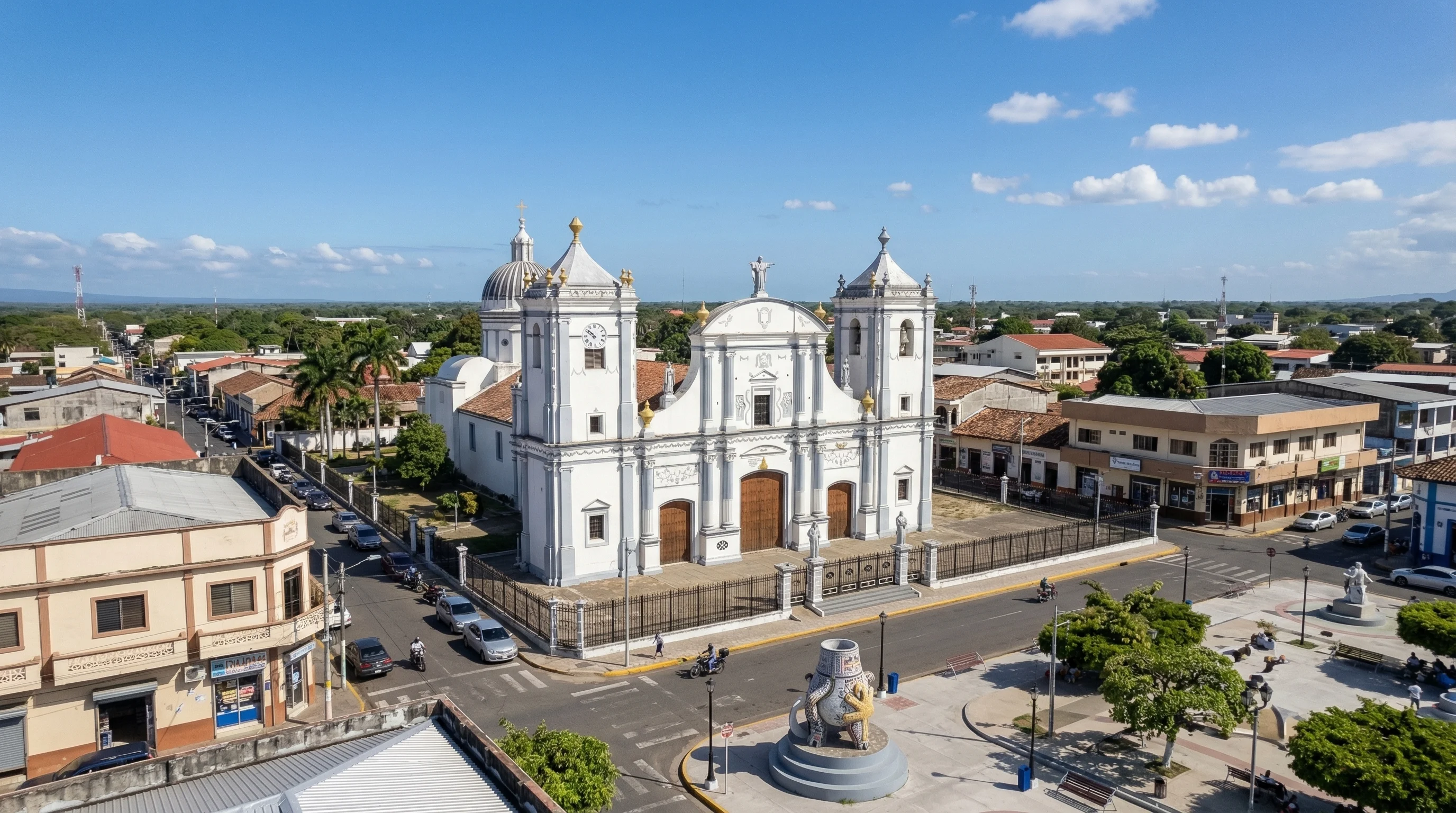
Rivas, located in southwestern Nicaragua along the Pacific coast, serves as a strategic gateway to Central American markets with growing commercial importance. The city's proximity to the Pan-American Highway and its connection to Nicaragua's transportation network make it an accessible destination for international freight. Rivas benefits from its location near Nicaragua's primary Pacific port facilities, facilitating efficient cargo distribution throughout the country and neighboring Central American nations.
The region surrounding Rivas supports various economic activities including agriculture, tourism, and light manufacturing, creating demand for reliable freight transportation services. Nicaragua's developing industrial sector, particularly in areas such as textiles, food processing, and consumer goods manufacturing, generates consistent import requirements for raw materials and equipment. The city's infrastructure continues to evolve to support increased trade volumes, with ongoing improvements to highway connections and logistics facilities enhancing its role in regional commerce.










