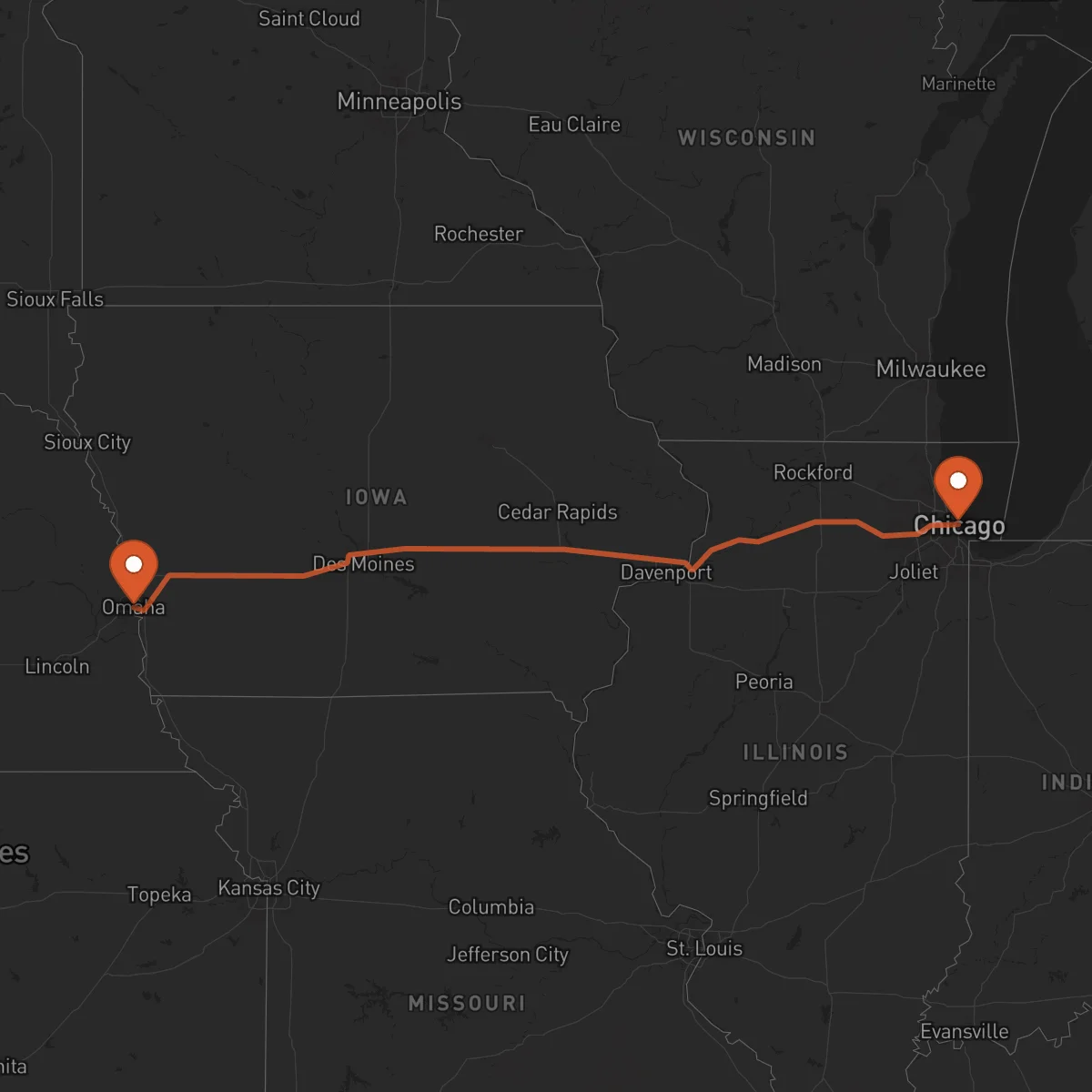
Chicago to Omaha
Omaha → ChicagoFTL freight transportation service between Chicago and Omaha. Reliable logistics solutions for your business.
Route Description
Everything you need to know about the corridor Chicago - Omaha
The Chicago to Omaha corridor represents one of the most critical freight transportation routes in the Midwest, connecting two major economic hubs across 694 kilometers of strategic infrastructure. This domestic route serves as a vital link between Illinois and Nebraska, facilitating the movement of goods that powers the regional economy. The corridor's significance extends beyond mere distance, as it traverses through diverse industrial zones and agricultural regions that form the backbone of America's heartland.
The economic importance of this route cannot be overstated. Chicago, as a global logistics hub, serves as the starting point for countless freight movements, while Omaha functions as a crucial distribution center for the western Midwest. The corridor benefits from exceptional infrastructure, primarily utilizing Interstate 80, which provides reliable, high-capacity transportation for full truckload shipments. This major highway ensures consistent transit times and connects seamlessly with regional distribution networks.
Control Terrestre optimizes freight operations along this corridor through our specialized FTL services. Our strategic partnerships with certified carriers ensure that your cargo moves efficiently between these two points, leveraging our expertise in cross-country transportation. We understand the unique demands of this route, from Chicago's complex urban logistics to Omaha's distribution requirements, allowing us to provide tailored solutions that meet the specific needs of industries operating along this vital corridor.
Services for this Route
Available services for the corridor Chicago - Omaha
 Origin
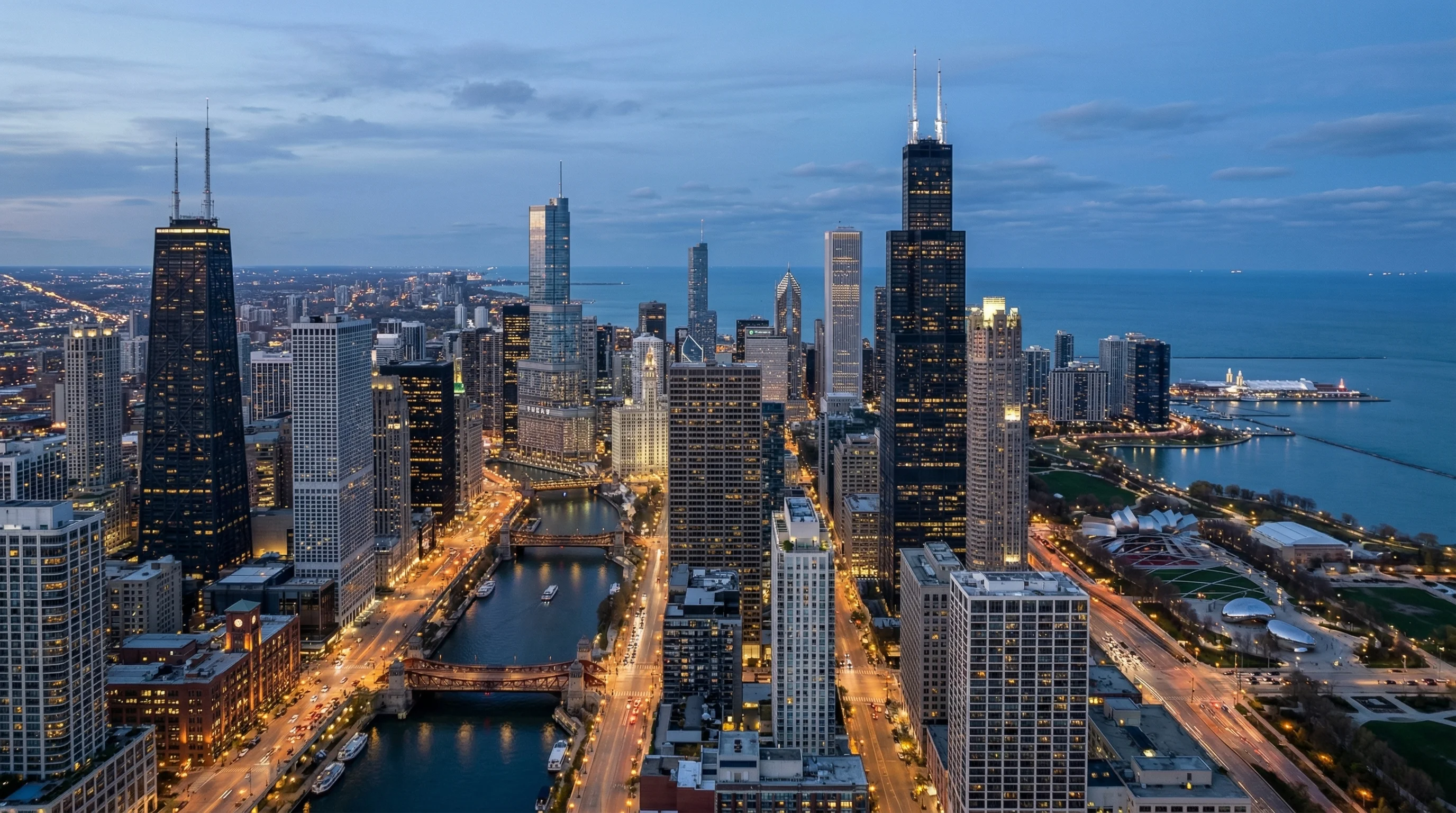
Chicago
Chicago stands as a global logistics powerhouse, strategically positioned in the heart of the United States. The city's transportation infrastructure is unparalleled, featuring six major interstate highways, two international airports, and the largest inland port in North America. Chicago's O'Hare International Airport and the Port of Chicago provide multimodal connectivity that makes it an ideal origin point for freight movements. The city's central location allows for efficient distribution to both coasts within two days, making it a preferred hub for logistics operations.
The economic landscape of Chicago is diverse and robust, with major industries including manufacturing, technology, finance, and food processing. The city hosts numerous Fortune 500 companies and serves as a critical node in the nation's supply chain. Chicago's industrial base includes advanced manufacturing facilities, pharmaceutical companies, and extensive food processing plants, all of which generate substantial freight volume. The metropolitan area's population of over 9 million creates significant domestic demand, further driving the need for efficient logistics solutions.
 Destination
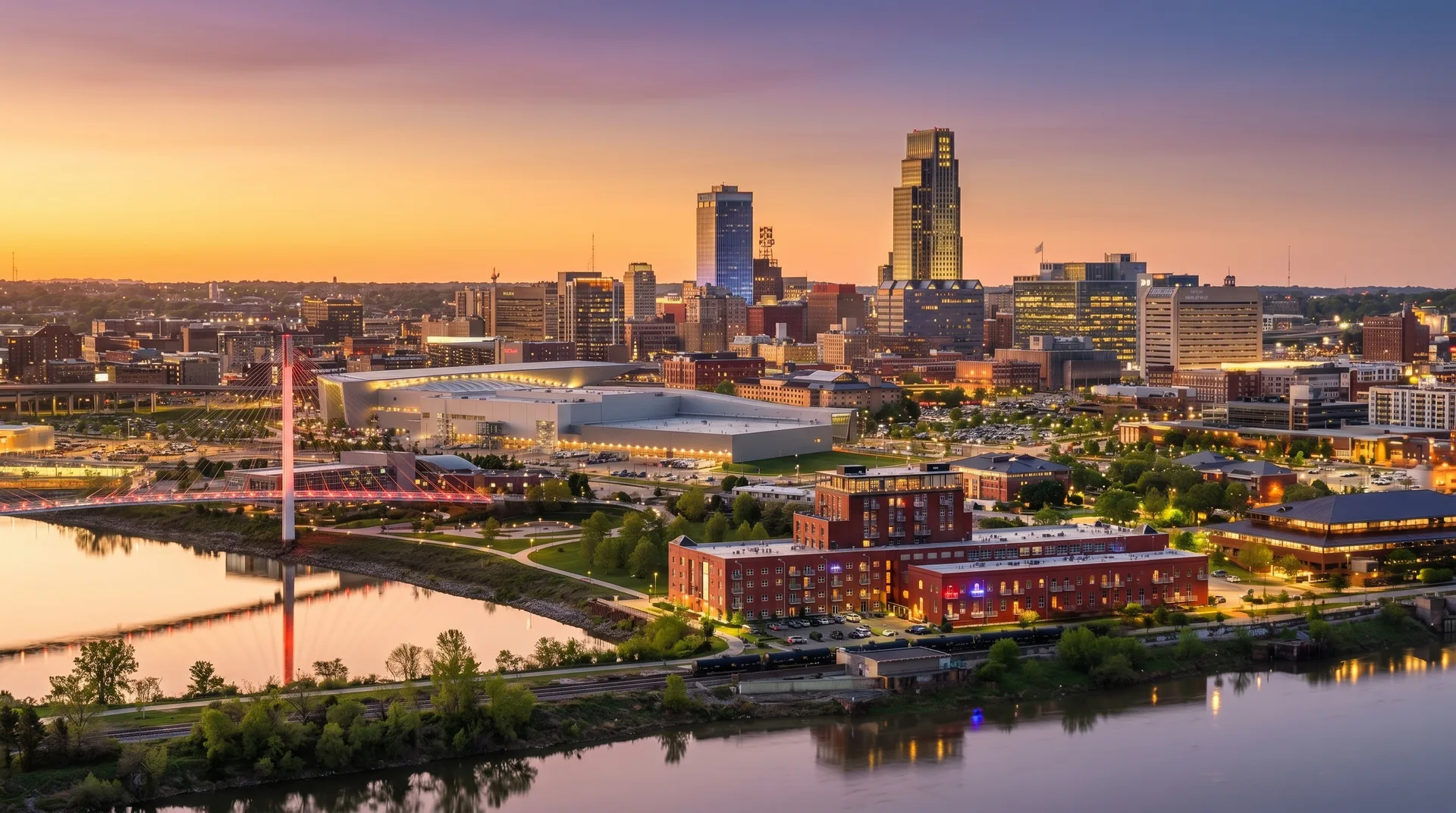
Omaha
Omaha has established itself as a strategic logistics center in the western Midwest, offering unique advantages for freight distribution. The city's location at the crossroads of major transportation routes provides excellent connectivity to both coastal regions and the central United States. Omaha's Eppley Airfield and extensive rail network, including Union Pacific's headquarters, create a multimodal transportation environment that supports efficient freight movement. The city's relatively central location within the continental United States makes it an ideal distribution point for regional operations.
The economic profile of Omaha is characterized by strong presence in insurance, finance, agriculture, and food processing industries. The city is home to five Fortune 500 companies and numerous regional headquarters, creating substantial freight generation. Omaha's food processing sector, including major meatpacking and agricultural product companies, drives significant freight volume along the Chicago corridor. The city's growing technology sector and established manufacturing base further contribute to the diverse freight movements that Control Terrestre facilitates through our specialized FTL services.










