Charlotte to Mérida
Mérida → CharlotteFTL freight transportation service between Charlotte and Mérida. Reliable logistics solutions for your business.
Route Description
Everything you need to know about the corridor Charlotte - Mérida
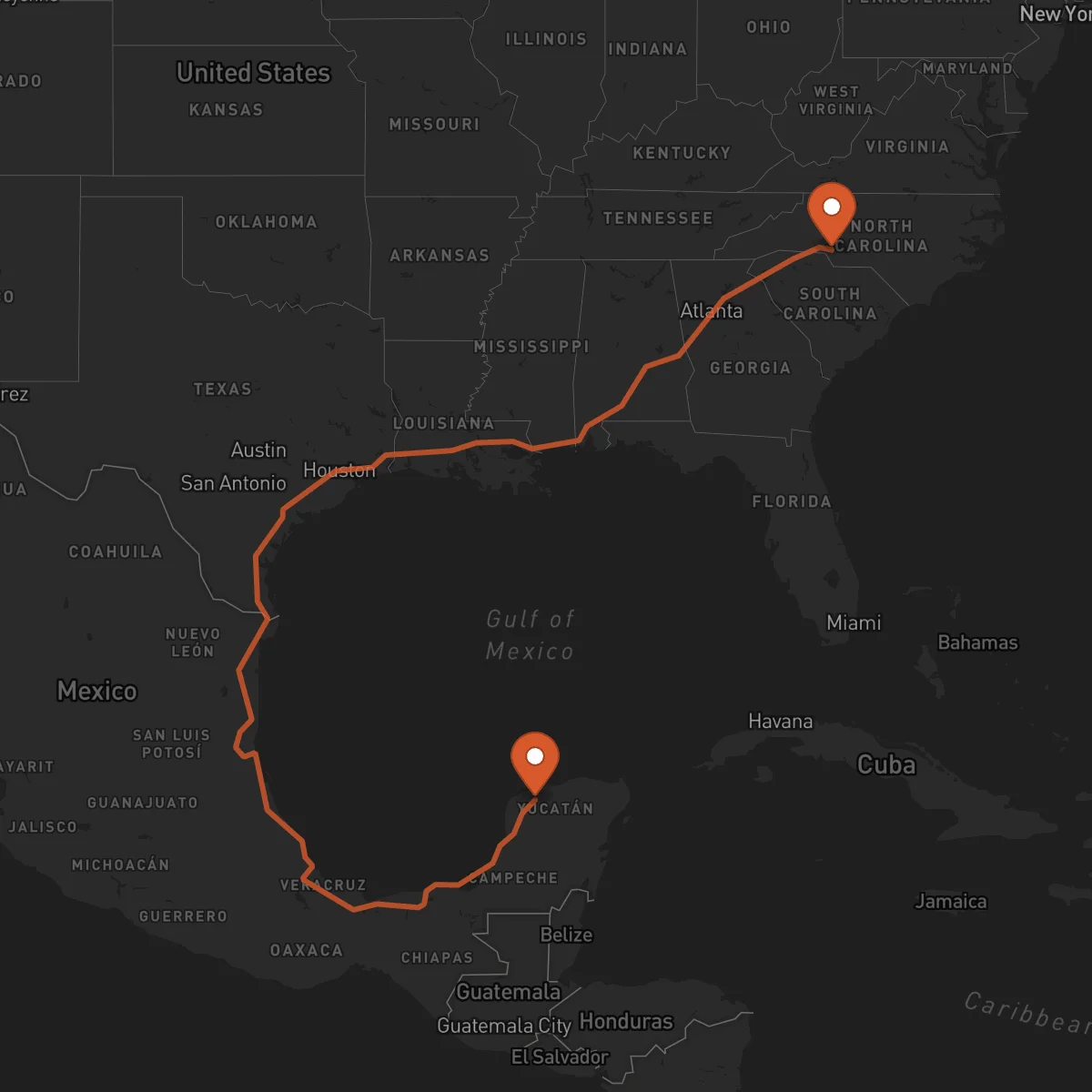
The Charlotte-Mérida corridor represents a vital cross-border freight connection between the southeastern United States and the Yucatán Peninsula of Mexico. This 1,801 km route links North Carolina's largest city with one of Mexico's most important cultural and economic centers in the southeast. The corridor traverses key industrial zones, agricultural regions, and manufacturing hubs, facilitating the movement of diverse cargo types between these two dynamic markets. Major transportation infrastructure includes interstate highways in the US connecting to Mexican Federal Highway 180D, which provides efficient transit through the heart of the Yucatán Peninsula.
The economic significance of this corridor extends across multiple sectors. Charlotte serves as a major financial center and logistics hub, with strong manufacturing, automotive, and technology industries. Mérida, meanwhile, is a growing industrial center with particular strength in aerospace, tourism, and agricultural exports. The route supports critical supply chain connections for automotive parts, industrial equipment, agricultural products, and consumer goods flowing in both directions. Companies operating along this corridor benefit from Control Terrestre's expertise in managing cross-border documentation, customs clearance, and regulatory compliance between the two countries.
Transportation along this corridor requires careful coordination of cross-border logistics, with key considerations including customs procedures at major border crossings such as Laredo or Brownsville. The route passes through diverse terrain and climate zones, requiring specialized equipment and expertise for different cargo types. Control Terrestre's network of certified carriers ensures reliable, temperature-controlled transport when needed, and real-time tracking capabilities that provide visibility throughout the journey. Our team's deep understanding of both US and Mexican transportation regulations, combined with our strategic partnerships with C-TPAT-certified carriers, ensures smooth and efficient freight movement along this important international corridor.
Services for this Route
Available services for the corridor Charlotte - Mérida
 Origin
Charlotte
Charlotte, North Carolina serves as a strategic logistics hub in the southeastern United States, offering exceptional connectivity and infrastructure for freight transportation. The city's central location in the region provides access to major markets along the East Coast and throughout the Southeast. Charlotte boasts a robust transportation network including the Charlotte Douglas International Airport, one of the busiest airports in the world for cargo operations, extensive rail connections through Norfolk Southern and CSX, and a comprehensive highway system including I-85 and I-77 that facilitate efficient ground transportation. The region's strong economic base spans financial services, manufacturing, automotive, energy, and technology sectors, creating consistent freight demand and diverse cargo opportunities.
 Destination
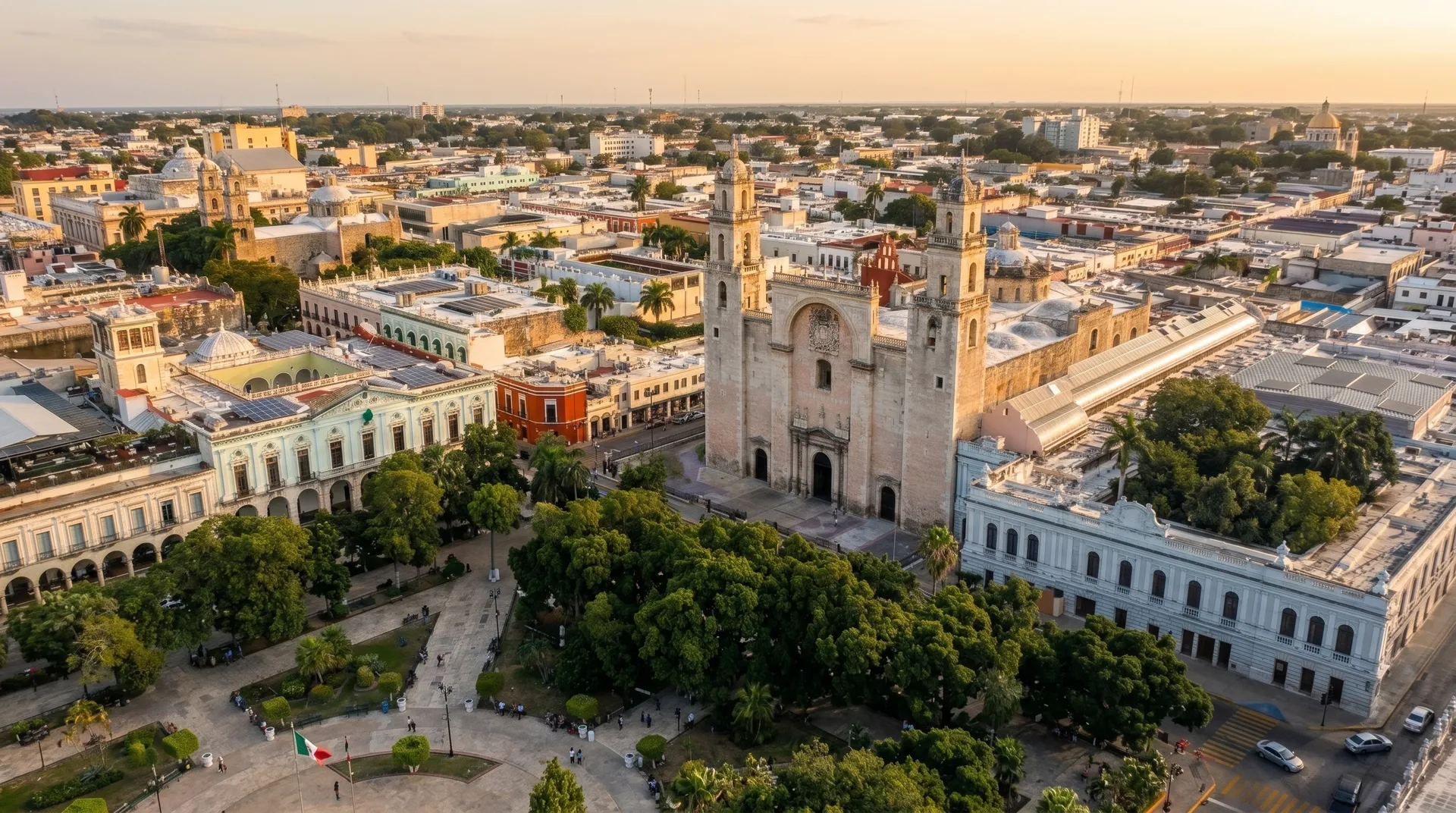
Mérida, located in the heart of the Yucatán Peninsula, serves as a strategic gateway to Mexico's southeast region and offers unique advantages for logistics operations. The city's position provides excellent connectivity to other major Mexican ports and industrial centers, with modern infrastructure including the Manuel Crescencio Rejón International Airport and well-maintained highways connecting to the rest of the country. Mérida's growing economy features strong aerospace, tourism, agriculture, and manufacturing sectors, with particular emphasis on the automotive and electronics industries that have established operations in the region. The city's proximity to major ports like Progreso and its role as a distribution center for the Yucatán Peninsula make it an increasingly important logistics destination for cross-border freight movements.










