
Charlotte to Limón
Limón → CharlotteFTL freight transportation service between Charlotte and Limón. Reliable logistics solutions for your business.
Route Description
Everything you need to know about the corridor Charlotte - Limón
The logistics corridor between Charlotte, North Carolina, and Limón, Costa Rica, represents a vital cross-border connection spanning approximately 2,815 kilometers. This route links one of the most important economic centers in the southeastern United States with Costa Rica's principal Caribbean port, facilitating the movement of goods between two dynamic markets. The corridor traverses multiple countries and jurisdictions, requiring expertise in cross-border operations and regulatory compliance.
The Charlotte region serves as a major distribution hub with strong manufacturing and logistics sectors, while Limón is Costa Rica's gateway to international trade through its container port facilities. This corridor is particularly significant for industries such as automotive parts, electronics, agricultural products, and consumer goods. The route primarily utilizes major highway networks including I-85, I-95, and connecting roads through Mexico and Central America, with key border crossings at Laredo/Nuevo Laredo and Paso Canoas.
Control Terrestre specializes in managing the complexities of this cross-border corridor, providing end-to-end FTL transportation solutions. Our experienced team handles all customs documentation, regulatory requirements, and coordination between different transportation providers. We ensure seamless cargo movement through strategic partnerships and our certified transportation network, maintaining the integrity and security of your freight throughout the entire journey from Charlotte to Limón.
Services for this Route
Available services for the corridor Charlotte - Limón
 Origin
Charlotte
Charlotte, North Carolina, stands as a strategic logistics hub in the southeastern United States, offering exceptional connectivity and infrastructure. The city benefits from its central location along the I-85 corridor, providing direct access to major markets along the East Coast and throughout the Southeast. Charlotte's transportation network includes the Charlotte Douglas International Airport, extensive rail connections through Norfolk Southern and CSX, and a comprehensive highway system that facilitates efficient freight movement.
The region's economy is diverse and robust, with strong presence in financial services, energy, advanced manufacturing, and automotive industries. Major companies in these sectors generate consistent freight volumes, making Charlotte an ideal origin point for cross-border logistics operations. The city's proximity to major ports in Charleston and Wilmington, combined with its inland location, provides strategic advantages for distribution and transportation planning.
 Destination
Limón
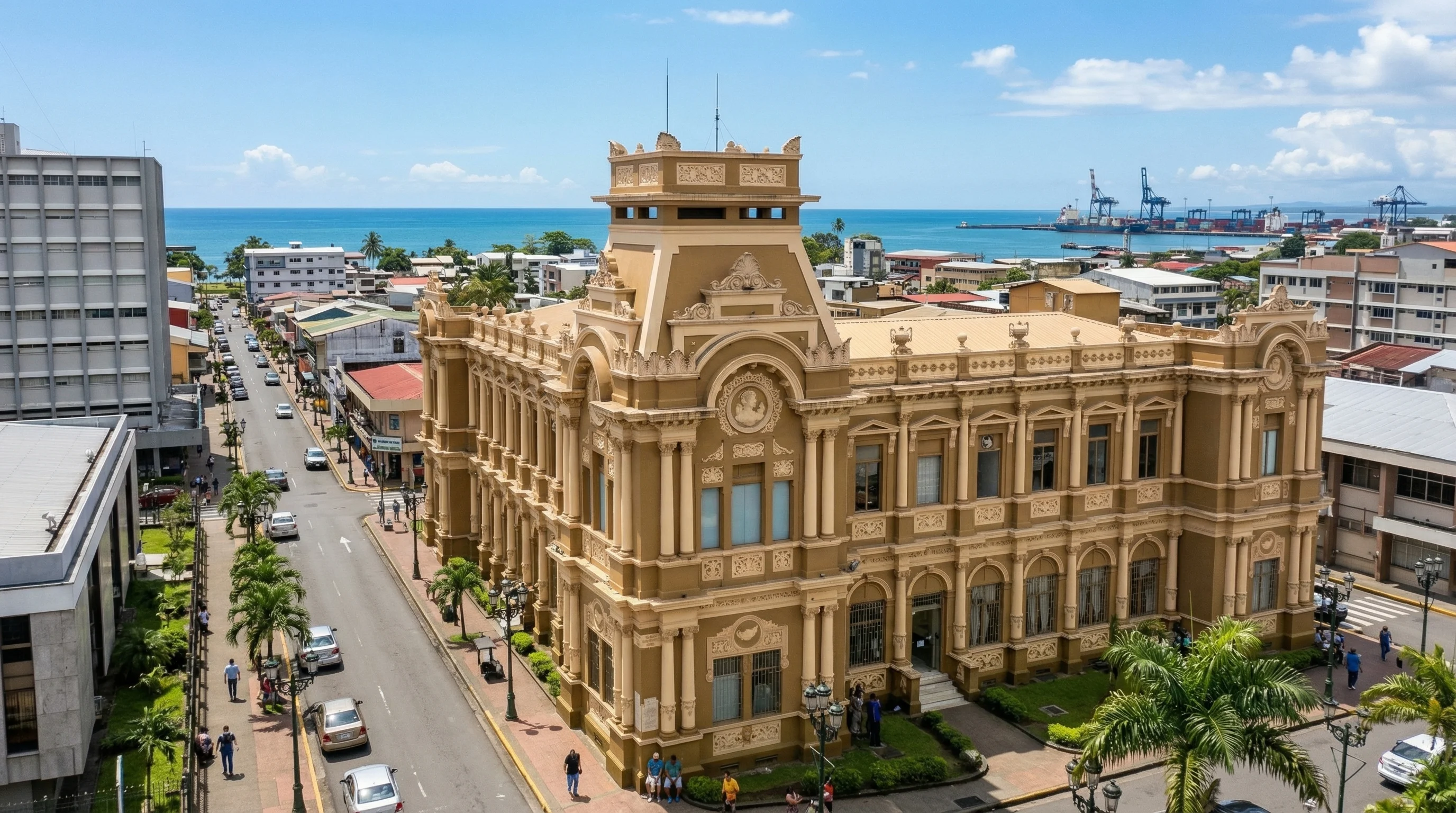
Limón, located on Costa Rica's Caribbean coast, serves as the nation's principal port city and a critical gateway for international trade. The Port of Limón handles the majority of Costa Rica's containerized cargo, offering modern facilities and direct connections to global shipping routes. The city's strategic coastal location provides essential access to maritime transportation networks, making it a vital node in Central American logistics.
The Limón region supports key economic activities including port operations, agricultural exports, and light manufacturing. Costa Rica's stable political environment and strong trade relationships enhance Limón's importance as a logistics destination. The city is connected to the rest of the country via the Atlantic Highway (Route 32), which links to San José and continues westward, facilitating inland distribution throughout Costa Rica and connections to neighboring countries.










