
Charlotte to Managua
Managua → CharlotteFTL freight transportation service between Charlotte and Managua. Reliable logistics solutions for your business.
Route Description
Everything you need to know about the corridor Charlotte - Managua
The logistics corridor connecting Charlotte, North Carolina, to Managua, Nicaragua, represents a vital trade link between the United States and Central America. This cross-border route spans approximately 2,627 kilometers and serves as a crucial artery for commerce between North American manufacturers and Central American markets. The corridor facilitates the movement of diverse cargo types, from industrial equipment to consumer goods, supporting the growing economic integration between these regions.
The economic significance of this corridor is underscored by the complementary industrial strengths of both locations. Charlotte serves as a major financial and manufacturing hub in the southeastern United States, while Managua functions as Nicaragua's commercial center and primary gateway for international trade. Key industries utilizing this route include automotive parts, electronics, textiles, agricultural products, and construction materials. The corridor particularly benefits manufacturers seeking to expand their distribution networks throughout Central America.
Transportation infrastructure along this route leverages major highway networks, including portions of the Pan-American Highway in Central America. The journey involves strategic border crossings where Control Terrestre's expertise in customs procedures and documentation ensures smooth transit. Our team manages the complexities of cross-border operations, including compliance with both USMCA regulations and CAFTA-DR provisions. The route's reliability is enhanced by our network of certified carriers who maintain consistent schedules and uphold the highest safety standards.
Control Terrestre facilitates seamless operations on this corridor through our comprehensive full truckload (FTL) services. We provide dedicated equipment options, real-time tracking capabilities, and specialized handling for various cargo types. Our cross-border expertise includes managing temperature-controlled shipments for perishable goods and coordinating oversized cargo movements. By combining local knowledge with international logistics capabilities, we ensure your freight moves efficiently from Charlotte's industrial parks to Managua's distribution centers, maintaining cargo integrity throughout the journey.
Services for this Route
Available services for the corridor Charlotte - Managua
 Origin
Charlotte
Charlotte, North Carolina, stands as a strategic logistics hub in the southeastern United States, offering exceptional connectivity for freight transportation. The city's location provides direct access to major interstate highways including I-85 and I-77, creating efficient connections to ports, rail terminals, and other key distribution points. Charlotte's robust infrastructure includes the Charlotte Douglas International Airport, one of the busiest cargo airports in the country, and proximity to the Port of Charleston for ocean freight access. The region's logistics ecosystem is further strengthened by numerous warehousing and distribution facilities strategically located throughout the metropolitan area.
The economic landscape of Charlotte is diverse and dynamic, with strong representation in financial services, energy, healthcare, and advanced manufacturing. The city hosts major corporate headquarters and serves as a distribution center for numerous national retailers. Key industries driving freight demand include automotive manufacturing, with several assembly plants in the region, and technology companies requiring specialized logistics solutions. Charlotte's skilled workforce and business-friendly environment continue to attract companies seeking reliable supply chain operations, making it an ideal origin point for cross-border freight movements.
 Destination
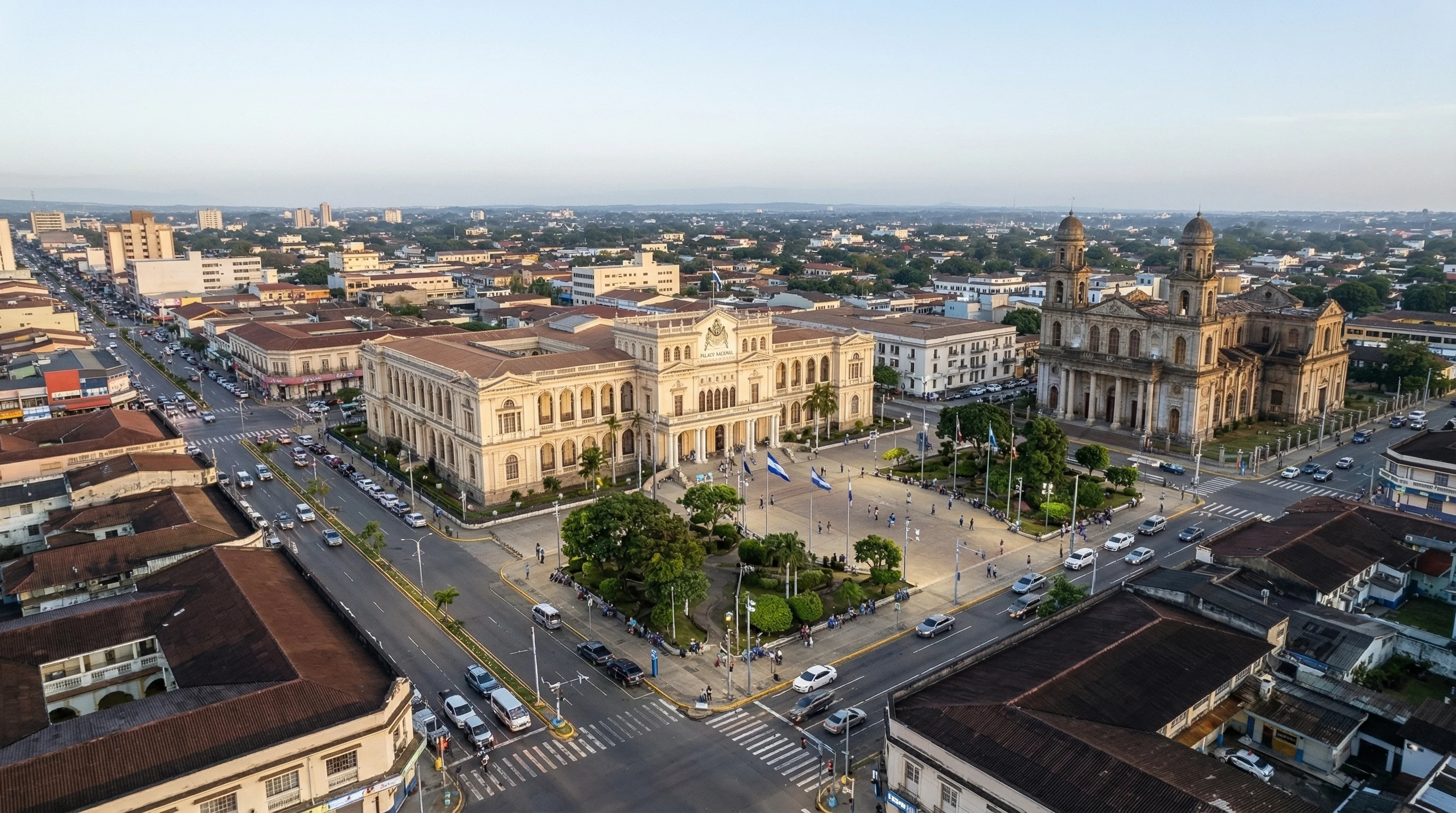
Managua, the capital and largest city of Nicaragua, serves as the country's primary commercial and logistics center, offering strategic advantages for regional distribution. Located in the western part of the country, Managua provides direct access to the Pan-American Highway, connecting to both northern and southern trade routes. The city's infrastructure includes Augusto C. Sandino International Airport for air cargo operations and proximity to the Port of Corinto, Nicaragua's principal maritime gateway on the Pacific coast. These transportation assets create a multimodal logistics environment capable of handling diverse freight requirements.
The economic profile of Managua reflects Nicaragua's broader industrial strengths, with particular emphasis on textiles and apparel, agriculture, and light manufacturing. The city functions as the headquarters for many of the country's largest companies and serves as the administrative center for import-export operations. Key industries utilizing cross-border freight services include agricultural products (coffee, sugar, and beef), manufactured goods, and consumer products destined for retail distribution. Managua's growing industrial parks and free trade zone developments continue to expand the city's capacity to handle increased freight volumes, making it an essential destination for North American exporters seeking Central American market access.










