
Charlotte to Jutiapa
Jutiapa → CharlotteFTL freight transportation service between Charlotte and Jutiapa. Reliable logistics solutions for your business.
Route Description
Everything you need to know about the corridor Charlotte - Jutiapa
The logistics corridor between Charlotte, North Carolina, and Jutiapa, Guatemala, represents a vital cross-border connection linking the industrial heart of the southeastern United States with the agricultural and manufacturing regions of Central America. This 2,499-kilometer route facilitates the movement of diverse cargo types, from automotive parts and electronics to agricultural products and consumer goods, supporting the growing trade relationship between North and Central America.
The corridor traverses a complex network of highways and border crossings, with key segments including Interstate 85 and Interstate 40 in the United States, connecting to Mexican Federal Highways 85 and 57, before continuing through southern Mexico and into Guatemala. The route requires careful coordination of customs procedures at multiple border crossings, particularly at the U.S.-Mexico border and the Mexico-Guatemala border, where proper documentation and compliance with trade regulations are essential.
Control Terrestre specializes in managing this cross-border corridor with comprehensive FTL (Full Truckload) services, ensuring seamless door-to-door transportation. Our experienced team handles all customs clearance procedures, provides real-time tracking, and coordinates with trusted carriers who understand the specific requirements of this route. We offer dedicated services for time-sensitive shipments and specialized handling for cargo requiring extra care, such as refrigerated goods or hazardous materials.
This corridor serves a diverse range of industries, including automotive manufacturing, electronics, textiles, and agricultural products. Companies in Charlotte's growing logistics and distribution sector rely on this connection to supply Central American markets, while Guatemalan businesses use it to access U.S. suppliers and technology. Control Terrestre's expertise in cross-border operations ensures that your cargo moves efficiently through this complex international route, minimizing delays and maintaining the integrity of your supply chain.
Services for this Route
Available services for the corridor Charlotte - Jutiapa
 Origin
Charlotte
Charlotte, North Carolina, serves as a strategic logistics hub in the southeastern United States, offering excellent connectivity through its proximity to major transportation networks. The city benefits from its location near Interstates 85 and 77, providing direct access to regional and national freight corridors. Charlotte's international airport offers air cargo services, while the nearby Port of Charleston provides ocean freight options, creating a multimodal logistics environment.
The region's economy is diverse, with strong presence in banking and finance, energy, and advanced manufacturing. Charlotte is home to numerous automotive suppliers, electronics manufacturers, and distribution centers that require reliable transportation services. The city's growing population and business environment create consistent demand for both inbound raw materials and outbound finished products, making it an ideal origin point for cross-border freight operations to Central America.
 Destination
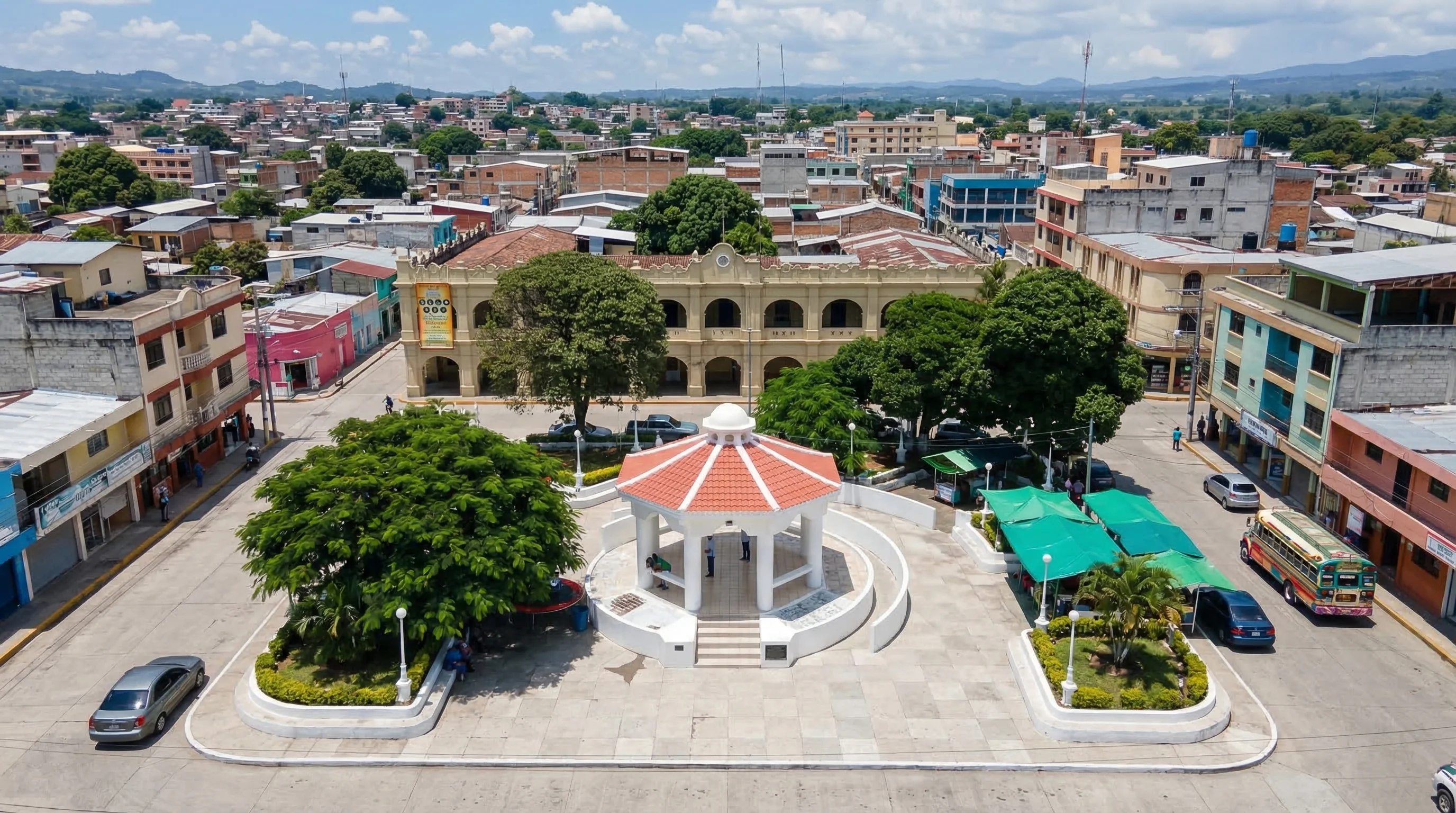
Jutiapa, located in southeastern Guatemala, occupies a strategic position near the country's border with El Salvador and Honduras. The city serves as an important commercial center for the surrounding agricultural region, known for producing coffee, tobacco, and various crops. Jutiapa's location provides relatively easy access to both Pacific and Atlantic maritime routes through nearby ports, making it a valuable distribution point for Central American markets.
The local economy centers around agriculture, light manufacturing, and commerce, with growing interest in industrial development. Jutiapa benefits from Guatemala's improving transportation infrastructure, including paved highways connecting to the capital, Guatemala City, and other major urban centers. The region's developing logistics capabilities, combined with its strategic border location, make it an increasingly important destination for cross-border freight from the United States, supporting both import and export activities for local businesses.










