Charleston to San Vicente
San Vicente → CharlestonFTL freight transportation service between Charleston and San Vicente. Reliable logistics solutions for your business.
Route Description
Everything you need to know about the corridor Charleston - San Vicente
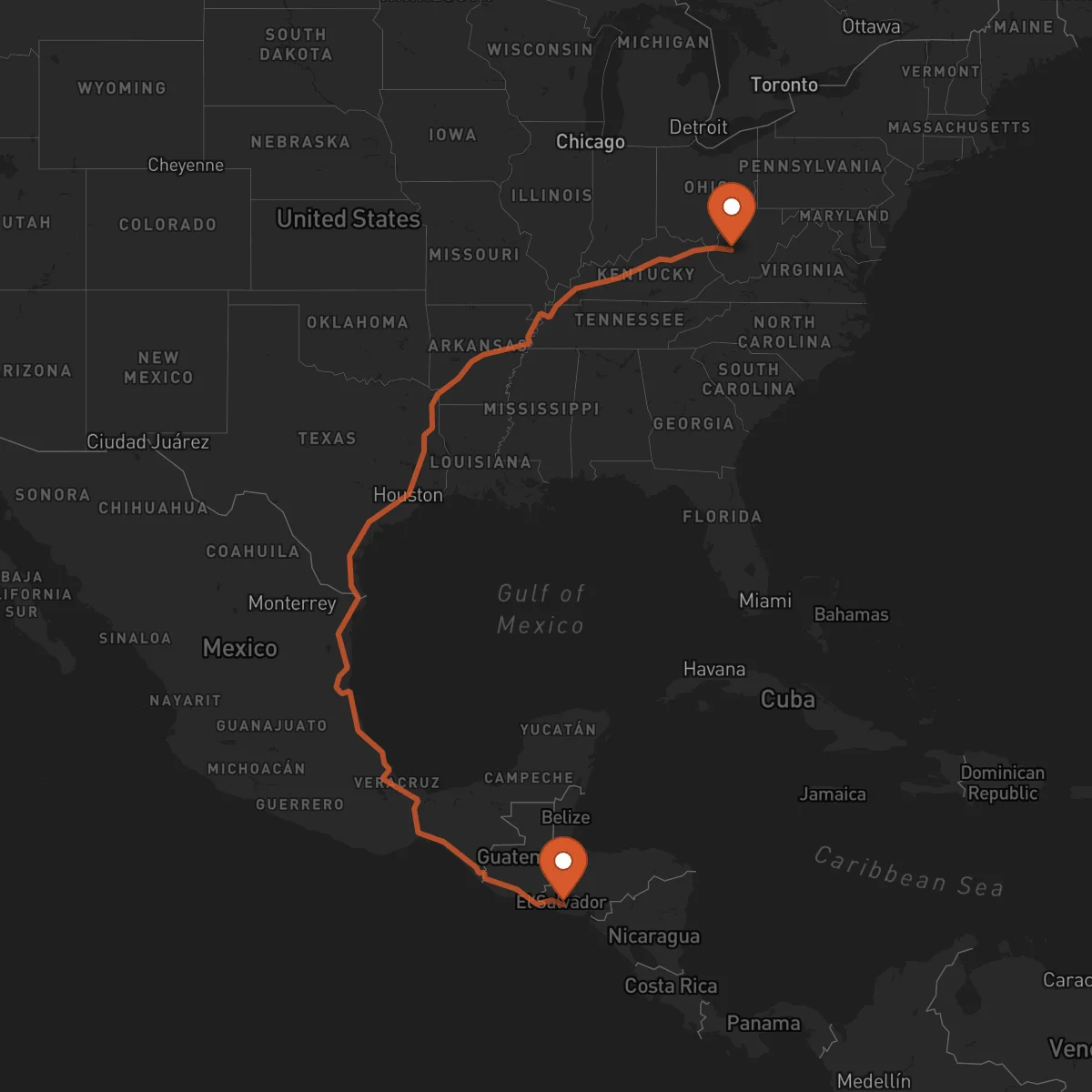
The Charleston, West Virginia to San Vicente, El Salvador corridor is a strategic cross-border artery connecting the industrial heartland of the United States with the growing markets of Central America. This approximately 2,837 km route serves as a vital conduit for trade, facilitating the movement of goods from the manufacturing and chemical sectors of Appalachia to the agricultural and industrial centers of El Salvador and the broader region. Its importance lies in providing a dedicated, overland link that bypasses more congested coastal ports, offering a direct solution for time-sensitive and high-value full truckload (FTL) shipments. The economic context is defined by the export of U.S.-made chemicals, polymers, machinery, and fabricated materials to support El Salvador's manufacturing, construction, and agricultural processing industries. In return, the corridor handles inbound shipments of raw materials, agricultural products like coffee and sugar, and consumer goods for distribution within the U.S. Key industries leveraging this route include chemical manufacturing, industrial equipment, agricultural inputs, and textiles. The primary transportation infrastructure relies on a network of major U.S. interstates, beginning with I-77 south from Charleston, connecting to I-40 and I-20 through Tennessee, Mississippi, Alabama, and Georgia. The route then proceeds through Mexico via central corridors before entering Guatemala and reaching the Salvadoran border. The critical border crossing for this corridor is at El Ceibo, Guatemala/El Salvador, a modern facility that streamlines customs procedures. Control Terrestre facilitates seamless operations on this complex corridor through our alliance of certified providers. We leverage partnerships with carriers holding C-TPAT, FAST, and BASC certifications, ensuring compliance and security for cross-border movements. Our expertise in managing documentation, customs coordination, and dedicated equipment—including dry vans, reefers, and flatbeds—allows us to offer a single-point-of-contact solution for your FTL needs, optimizing transit and reducing supply chain friction from origin to destination.
Services for this Route
Available services for the corridor Charleston - San Vicente
 Origin
Charleston
Charleston, West Virginia, is a strategic logistics origin due to its prime location at the confluence of the Kanawha and Ohio Rivers and its position as a hub in the Appalachian region. The city serves as a gateway for industries requiring robust overland connections to the Southeast and ultimately to Mexico and Central America. Its economic engine is historically rooted in the chemical and polymer manufacturing sectors, with major production facilities for industrial chemicals, resins, and specialized materials. Additional key industries include machinery fabrication, aerospace components, and professional services. The available transportation infrastructure is comprehensive: Charleston is directly served by I-77, providing a direct north-south corridor to Virginia and beyond. The Port of Huntington Tri-State, located nearby on the Ohio River, offers significant barge freight capacity for intermodal transfers. Rail service is provided by major Class I railroads, including CSX and Norfolk Southern, offering additional connectivity. Yeager Airport supports air cargo for high-value, time-critical shipments, complementing the dominant ground freight network that underpins the region's industrial output.
 Destination
San Vicente
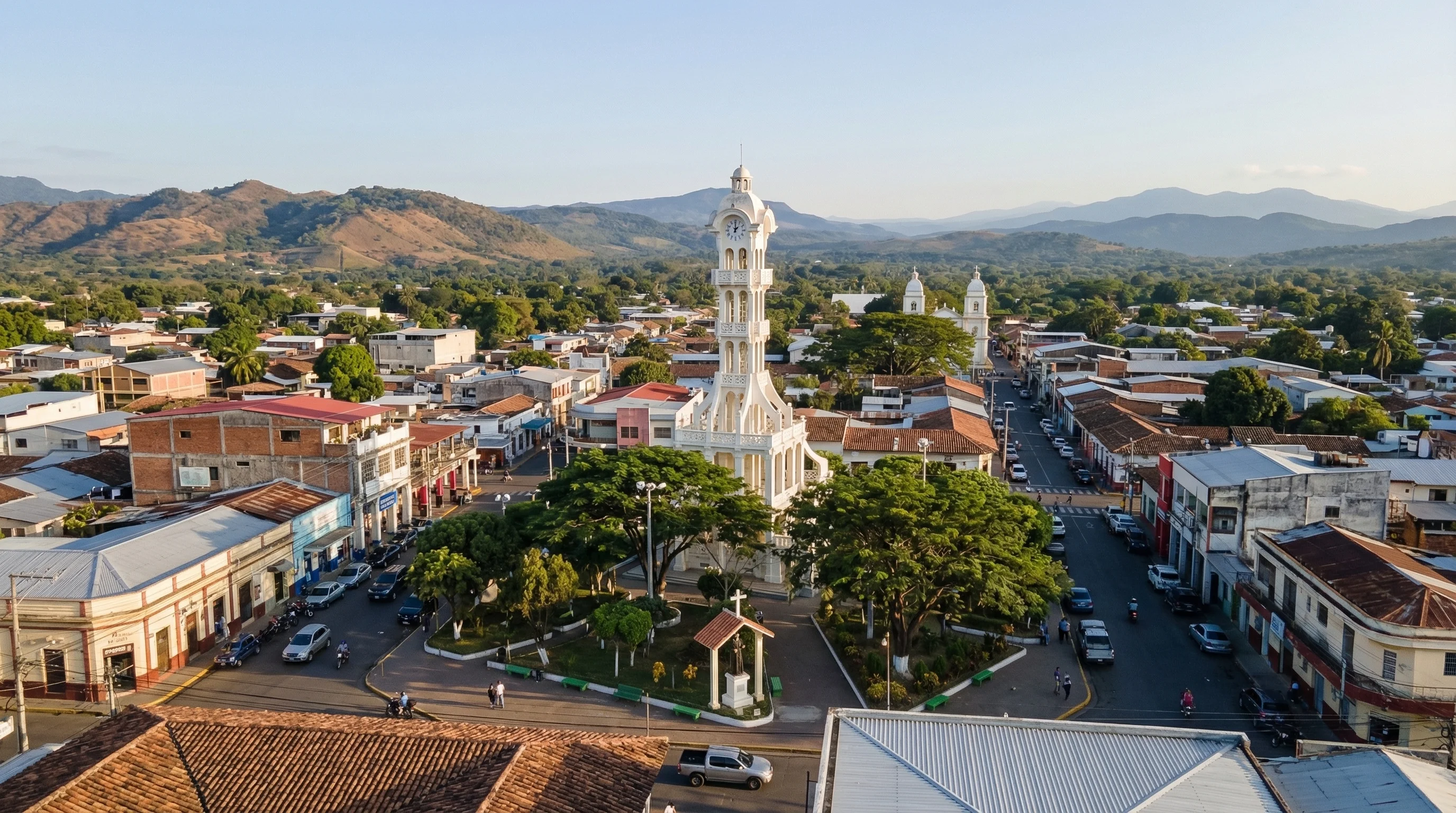
San Vicente, El Salvador, holds a strategic central location within the country, positioned along key highway routes that connect the capital, San Salvador, to the eastern regions and the Pacific coast. This makes it a pivotal distribution point for goods destined for both local consumption and export via the nearby ports of Acajutla and La Unión. The local and regional economy is heavily driven by agriculture, with the surrounding area being a major producer of sugar cane, coffee, and basic grains. Complementary industries include food and beverage processing, textile manufacturing, and light industrial assembly. The available transportation infrastructure is centered on the Pan-American Highway (CA-1), which runs through the department and provides the main overland link to Guatemala and the rest of Central America. A network of paved secondary roads connects San Vicente to agricultural zones and industrial parks. While rail infrastructure in El Salvador is limited, the proximity to the Port of Acajutla (approximately 1.5 hours away) offers critical maritime access for international trade. The border crossing at El Ceibo, leading into Guatemala, is the primary overland customs point for this corridor, making San Vicente a logical final destination or transshipment hub within the country's logistics framework.


Ready to ship your cargo?
Get a personalized quote for your freight.
Quote Now Charleston - San Vicente








