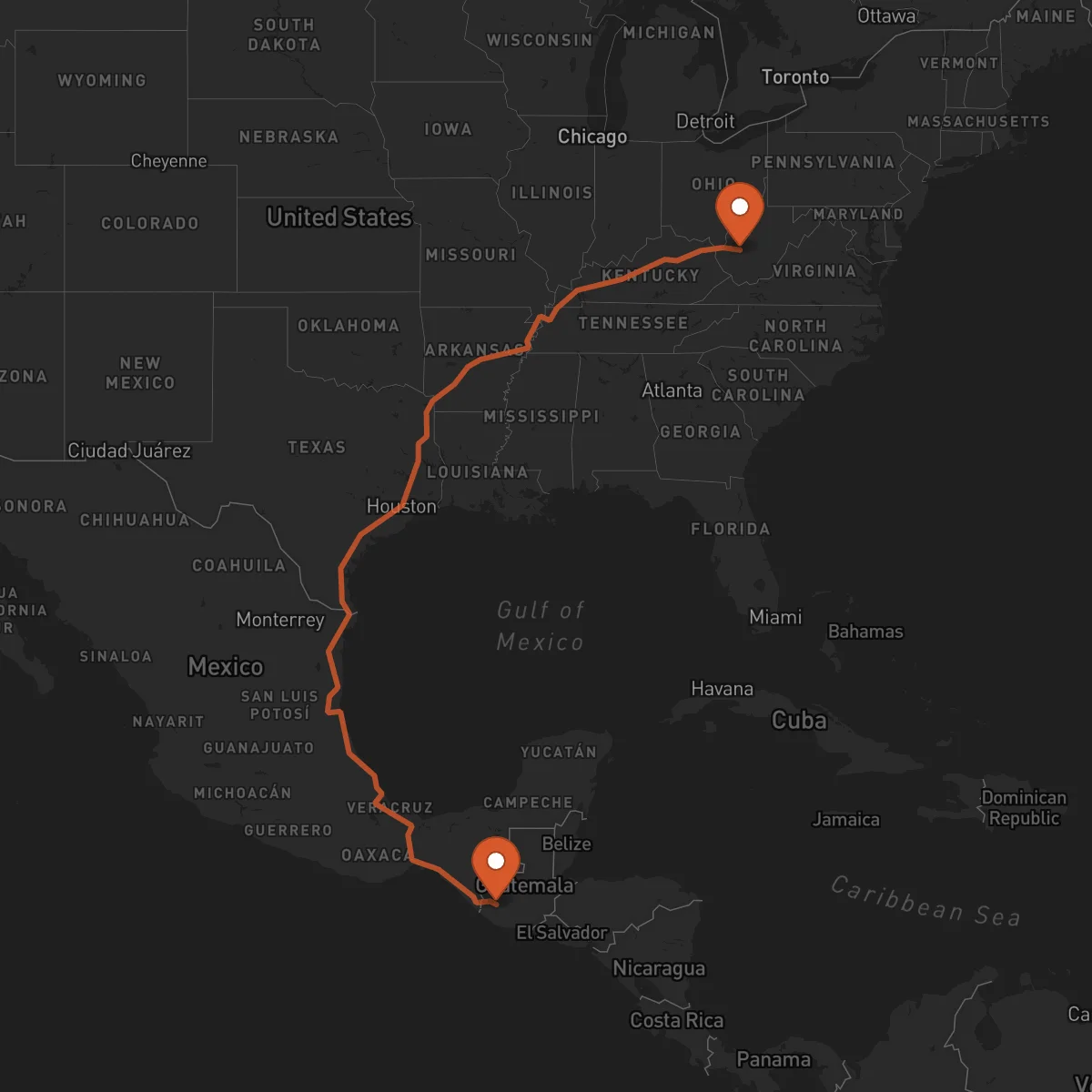
Charleston to Quetzaltenango
Quetzaltenango → CharlestonFTL freight transportation service between Charleston and Quetzaltenango. Reliable logistics solutions for your business.
Route Description
Everything you need to know about the corridor Charleston - Quetzaltenango
The Charleston to Quetzaltenango corridor represents a vital North-South logistics artery, bridging the industrial Appalachian region of the United States with the highland economic centers of western Guatemala. This strategic cross-border route facilitates the essential flow of goods, raw materials, and finished products across a complex international landscape, supporting integrated supply chains between the two regions. The corridor's importance is amplified by its role in connecting U.S. manufacturing and chemical production hubs with Guatemala's dynamic agricultural and textile sectors, enabling just-in-time delivery for industries that rely on predictable, long-haul transportation.
Economically, the corridor serves a diverse industrial base. From Charleston's chemical plants, machinery manufacturers, and timber operations, freight moves south to support Guatemala's coffee plantations, vegetable production, and growing apparel industry. Conversely, imports from Guatemala, including processed foods, textiles, and artisanal goods, traverse northbound to U.S. distribution centers. The infrastructure backbone consists of a multi-modal network beginning with U.S. Interstates, primarily I-64 eastward to the border, transitioning to Central American highways like the CA-1 through Honduras and El Salvador, and culminating on Guatemala's RN-1 and local routes to Quetzaltenango. Key border crossings, such as El Ceibo (Honduras/Guatemala) and Tecún Umán (Mexico/Guatemala), are critical nodes where meticulous customs documentation and compliance with regulations like C-TPAT and FAST, which our provider alliance maintains, become essential for efficient transit.
Control Terrestre streamlines operations across this entire corridor through our alliance of specialized providers. We coordinate dedicated and full truckload (FTL) services, leveraging equipment suited for the terrain—from dry vans and reefers to flatbeds for oversized cargo. Our expertise in cross-border documentation, customs brokerage navigation, and carrier vetting ensures a seamless door-to-door experience. We manage the complexities of multiple jurisdictions, language barriers, and regulatory frameworks, providing our clients with a single, accountable point of contact for their end-to-end freight needs from West Virginia to the Guatemalan highlands.
Services for this Route
Available services for the corridor Charleston - Quetzaltenango
 Origin
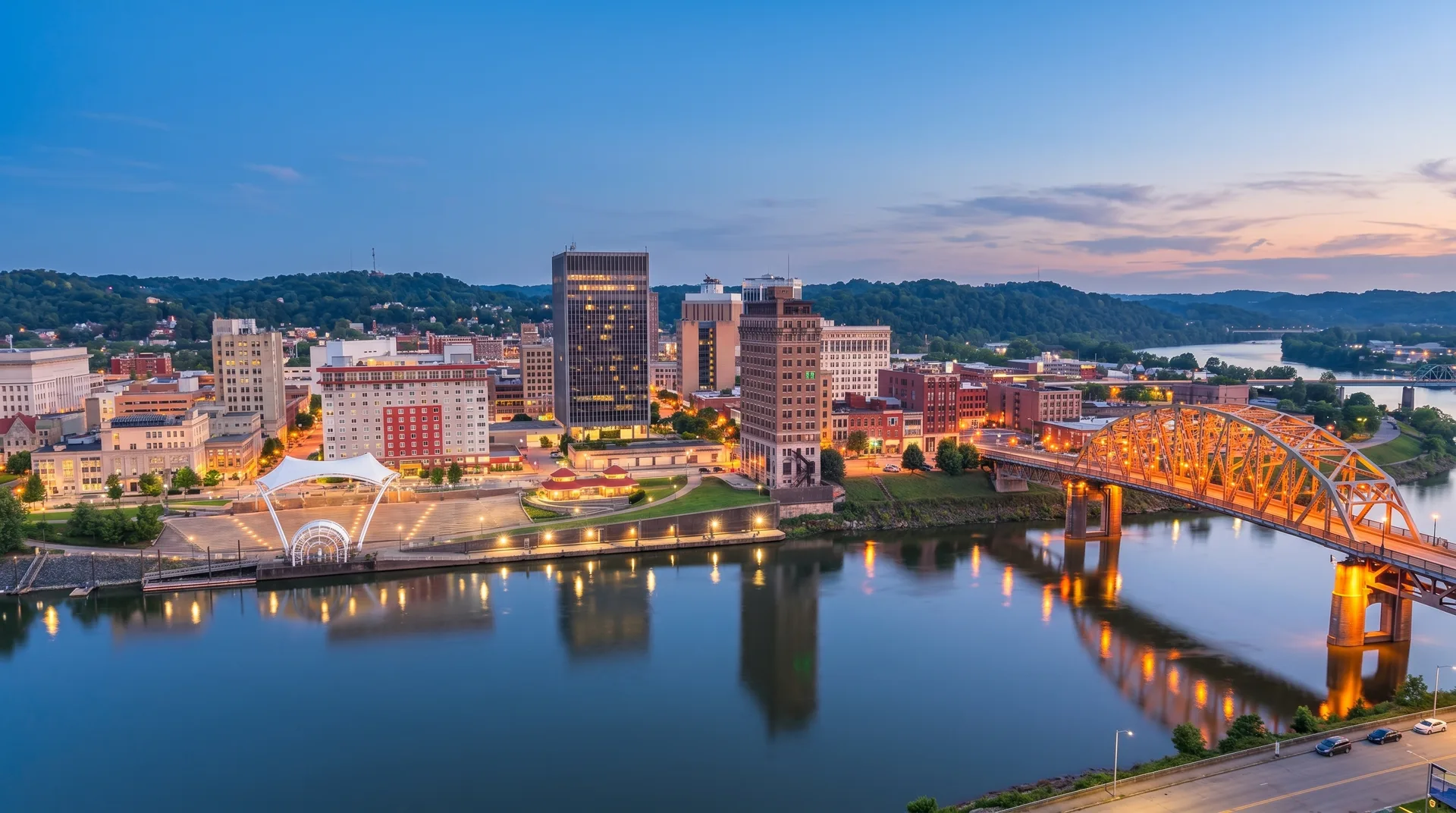
Charleston
Charleston, West Virginia, serves as a pivotal logistics origin point in the Appalachian region, strategically positioned at the confluence of the Kanawha and Elk rivers. Its economy is historically rooted in energy and heavy industry, with significant ongoing activity in chemical manufacturing, machinery, timber products, and polymer production. The city is well-connected by major infrastructure: Interstate 64 provides a direct east-west link to the Virginia border and beyond, while U.S. Route 119 and U.S. Route 60 offer additional regional connectivity. The Kanawha River is a commercially navigable waterway, and the area is served by rail freight networks, creating a multi-modal environment. For land-based freight, the primary gateway is the robust highway system, making Charleston an efficient launchpad for long-haul trucking routes heading south to the Gulf Coast border crossings with Mexico, the initial phase of the journey to Central America.
 Destination
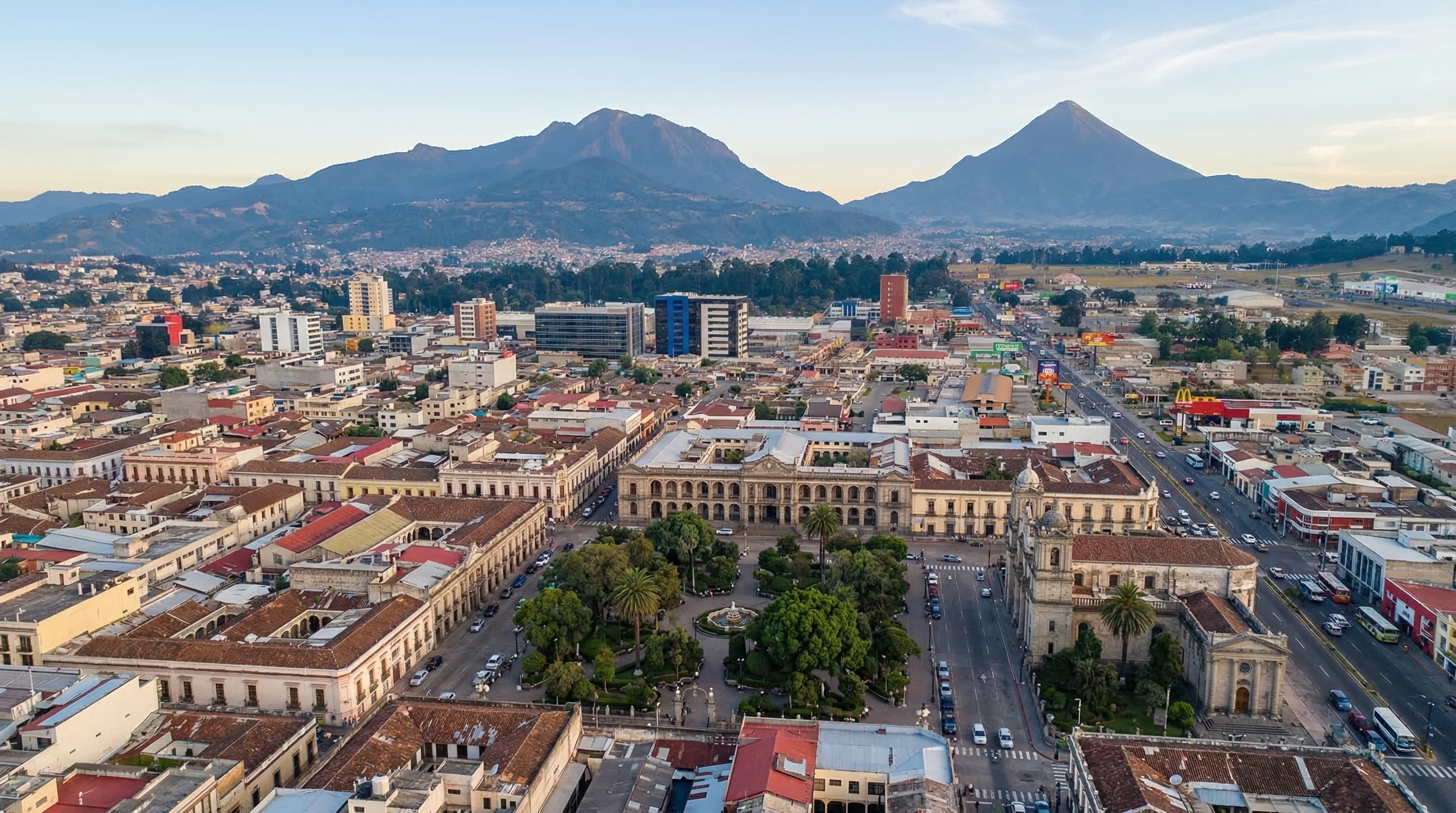
Quetzaltenango
Quetzaltenango, Guatemala's second-largest city, is a major commercial and agricultural hub in the western highlands. Its strategic location in a fertile valley makes it a center for coffee production, vegetable cultivation (particularly broccoli and cauliflower), and textile manufacturing. The city functions as a distribution nexus for the surrounding region, connecting rural producers to national and international markets. The primary transportation infrastructure is the Pan-American Highway (RN-1), which runs through the city, providing the critical final land link from the Mexican border and connecting to other highland cities. While the city itself has dense urban roads, the broader regional network of paved and unpaved routes serves the agricultural zones. The key international gateway for this corridor is the Mexican-Guatemalan border at Tecún Umán, from which freight travels along the RN-1 to reach Quetzaltenango, requiring careful planning for final-mile delivery into the city or surrounding farms and factories.


Ready to ship your cargo?
Get a personalized quote for your freight.
Quote Now Charleston - Quetzaltenango








