Celaya to Limón
Limón → CelayaFTL freight transportation service between Celaya and Limón. Reliable logistics solutions for your business.
Route Description
Everything you need to know about the corridor Celaya - Limón
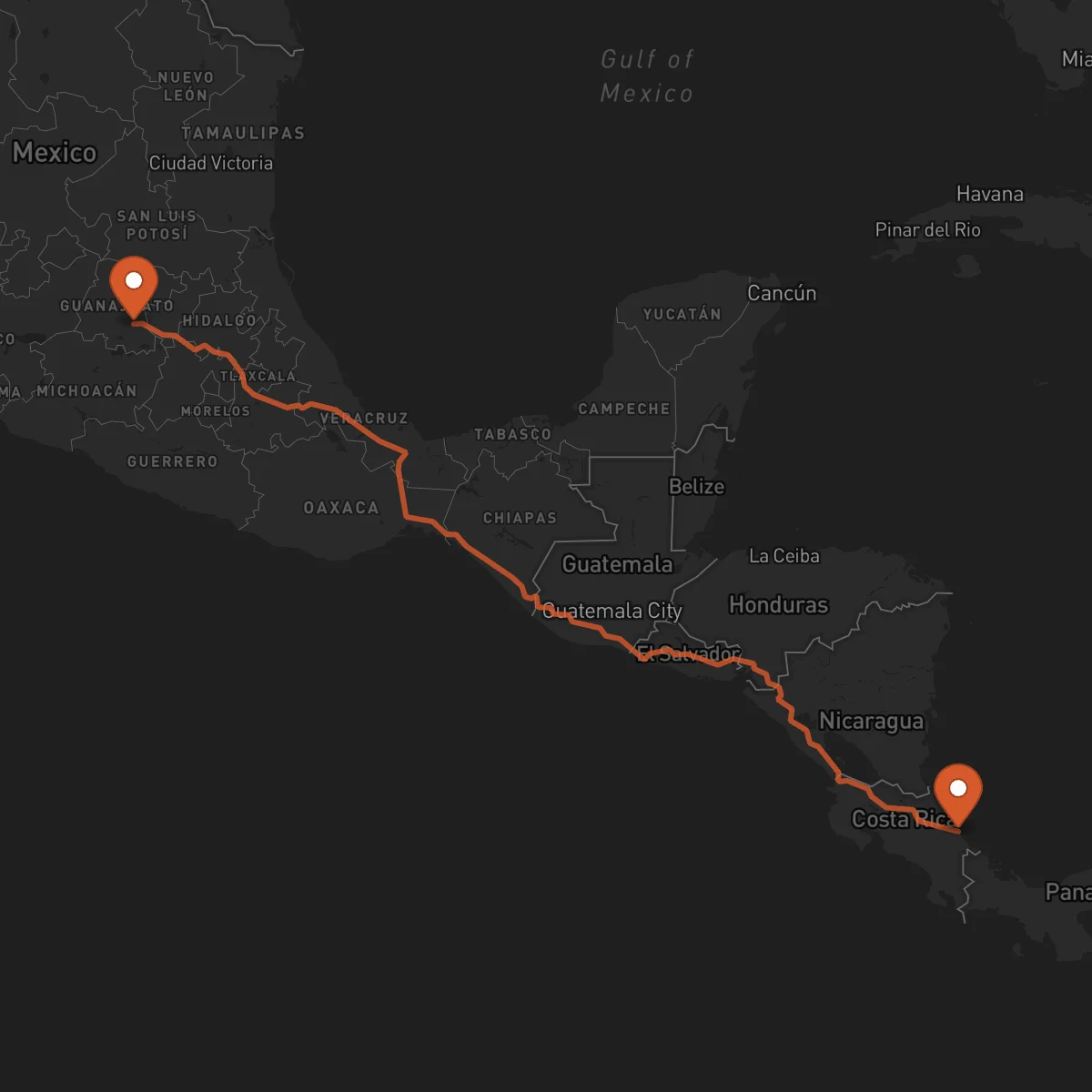
The Celaya to Limón corridor represents a critical north-south artery connecting Mexico's industrial heartland with Costa Rica's primary Caribbean port. This strategic route facilitates the seamless movement of goods across Central America, underpinning regional trade and supply chain integration. For businesses, it offers a direct land bridge from manufacturing centers in central Mexico to key markets in Central America and onward to the Caribbean and South America, reducing reliance on longer maritime routes and enhancing time-to-market for essential products.
Economically, the corridor links the vibrant Bajío region—one of Mexico's most significant industrial and agricultural zones—with Limón, a vital hub for banana exports and regional distribution. Major industries leveraging this route include automotive (parts and vehicles), agricultural exports (fresh produce, citrus), manufactured goods, and industrial machinery. The flow is bidirectional, with Costa Rican and regional exports moving north and Mexican manufactured goods moving south, creating a dynamic trade lane.
Infrastructure is anchored by Mexico's robust federal highway network, primarily Fed. 45D from Celaya to the southern border, transitioning through Central American trans-isthmian routes. The key border crossing is at Paso Canoas (Costa Rica-Panama), which requires meticulous customs coordination. Control Terrestre facilitates these complex cross-border operations through our alliance of certified providers. Our partners hold essential credentials like C-TPAT, FAST, and BASC, ensuring compliance and security at international checkpoints. We manage the full spectrum of FTL requirements on this corridor, from standard dry van and refrigerated cargo to specialized shipments, providing a single point of contact for a seamless door-to-door experience across multiple jurisdictions.
Services for this Route
Available services for the corridor Celaya - Limón
 Origin
Celaya
Celaya, located in the state of Guanajuato, is a pivotal logistics and industrial hub within Mexico's renowned Bajío region. Its strategic position offers direct access to major federal highways, including the high-capacity Fed. 45D, providing efficient connections to Mexico City, Monterrey, and the northern border with the U.S., as well as southward routes toward Central America. This centrality makes it an optimal origin point for manufacturing and agricultural distribution.
The local economy is driven by diverse, high-value sectors. It is a major center for the automotive industry, hosting parts manufacturers and assembly facilities. Additionally, the region is famous for its food processing industry, particularly frozen foods, meats, and dairy products, alongside metal mechanics, textiles, and a strong agricultural base producing grains, vegetables, and citrus. This industrial diversity generates consistent demand for reliable full truckload freight services to national and international destinations, including southbound corridors like the one to Limón.
 Destination
Limón
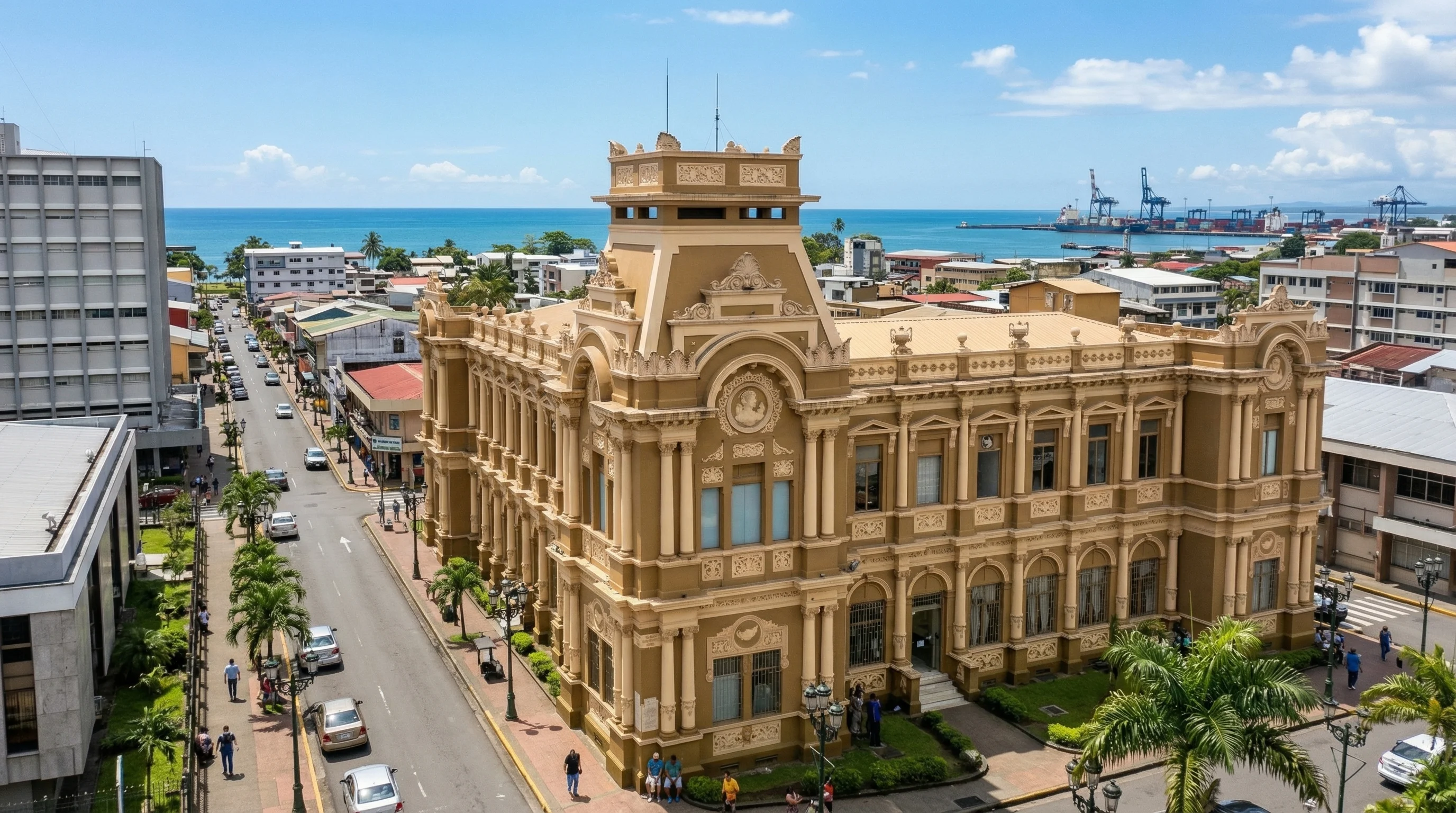
Limón, situated on Costa Rica's Caribbean coast, is a strategic maritime and logistics gateway for Central America. Its primary asset is the Port of Limón, one of the region's busiest ports, handling a vast volume of containerized cargo, especially bananas—Costa Rica's top export—along with pineapples, coffee, and other tropical products. The city serves as a critical distribution node, with road networks connecting it to the capital, San José, and the broader Central American isthmus via routes like Route 32.
Economically, Limón's activity revolves around port operations, export agriculture, and tourism. The logistics infrastructure supports not only Costa Rican exports but also acts as a transshipment point for neighboring countries. For freight forwarders, Limón represents a vital southern terminus for overland corridors from Mexico and a consolidation point for cargo destined for the Caribbean and northern South America. The demand here is substantial for refrigerated transport to handle perishables, as well as for dry van and specialized equipment moving manufactured goods into and through the region.










