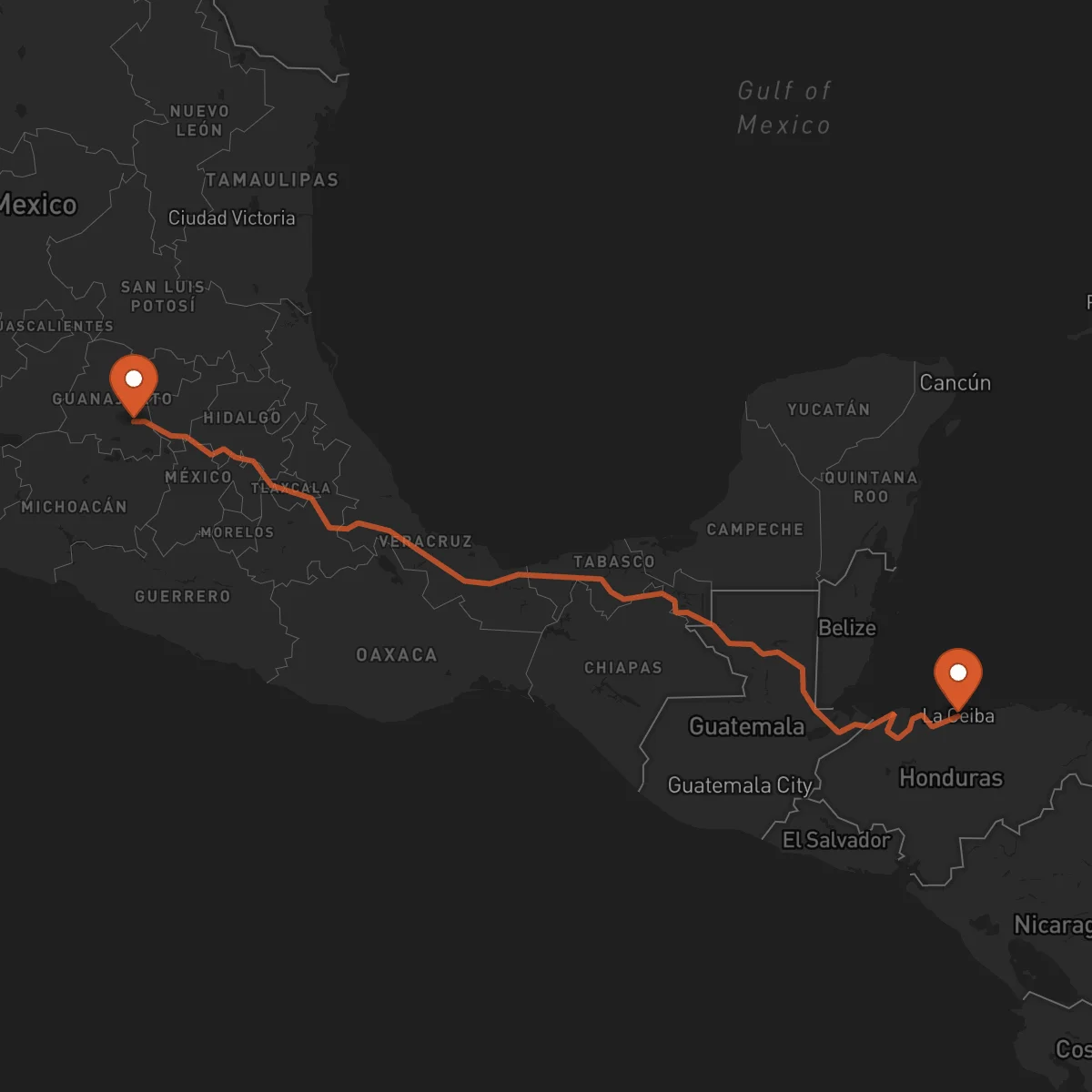
Celaya to La Ceiba
La Ceiba → CelayaFTL freight transportation service between Celaya and La Ceiba. Reliable logistics solutions for your business.
Route Description
Everything you need to know about the corridor Celaya - La Ceiba
The Celaya to La Ceiba corridor represents a critical north-south logistics artery connecting Mexico's industrial heartland with Honduras' key Caribbean port. This strategic route facilitates the movement of goods between major manufacturing centers and Central American markets, underpinning regional trade and economic integration. The corridor traverses diverse landscapes, from the Bajío region's industrial plains to the mountainous terrains of Central America, requiring sophisticated logistics planning and experienced partners.
Economically, this route serves vibrant industrial zones. Celaya is a hub for automotive parts, food processing, and general manufacturing, while La Ceiba functions as a vital export gateway for Honduran agricultural products like bananas, coffee, and palm oil, alongside growing light industry. Key industries utilizing this corridor include automotive suppliers, food and beverage processors, agricultural exporters, and consumer goods distributors seeking efficient market access.
Infrastructure relies on a network of major highways: Mexico Federal Highway 57D (the Autopista México-Querétaro) provides high-speed connectivity north from Celaya, linking to Highway 57 towards the border. In Central America, the CA-5 highway is the backbone, running from the Guatemalan border through Honduras to the coast. The primary formal border crossing is at Tecún Umán/El Carmen, Guatemala-Mexico, with subsequent transit through El Salvador and Honduras. Navigating customs procedures, particularly for specialized or hazardous cargo, demands expertise in documentation and regulatory compliance across multiple jurisdictions.
Control Terrestre facilitates seamless operations on this complex corridor through our alliance of certified providers. Our partners hold key credentials like C-TPAT, FAST, and BASC, ensuring secure and compliant cross-border movements. We offer dedicated FTL capacity, specialized equipment for diverse cargo (including reefers and tankers), and spot freight solutions. By managing the entire door-to-door sequence—from Celaya's industrial parks to La Ceiba's port facilities—we provide our clients with a single, reliable point of contact, optimizing transit reliability and supply chain visibility for this vital trade lane.
Services for this Route
Available services for the corridor Celaya - La Ceiba
 Origin
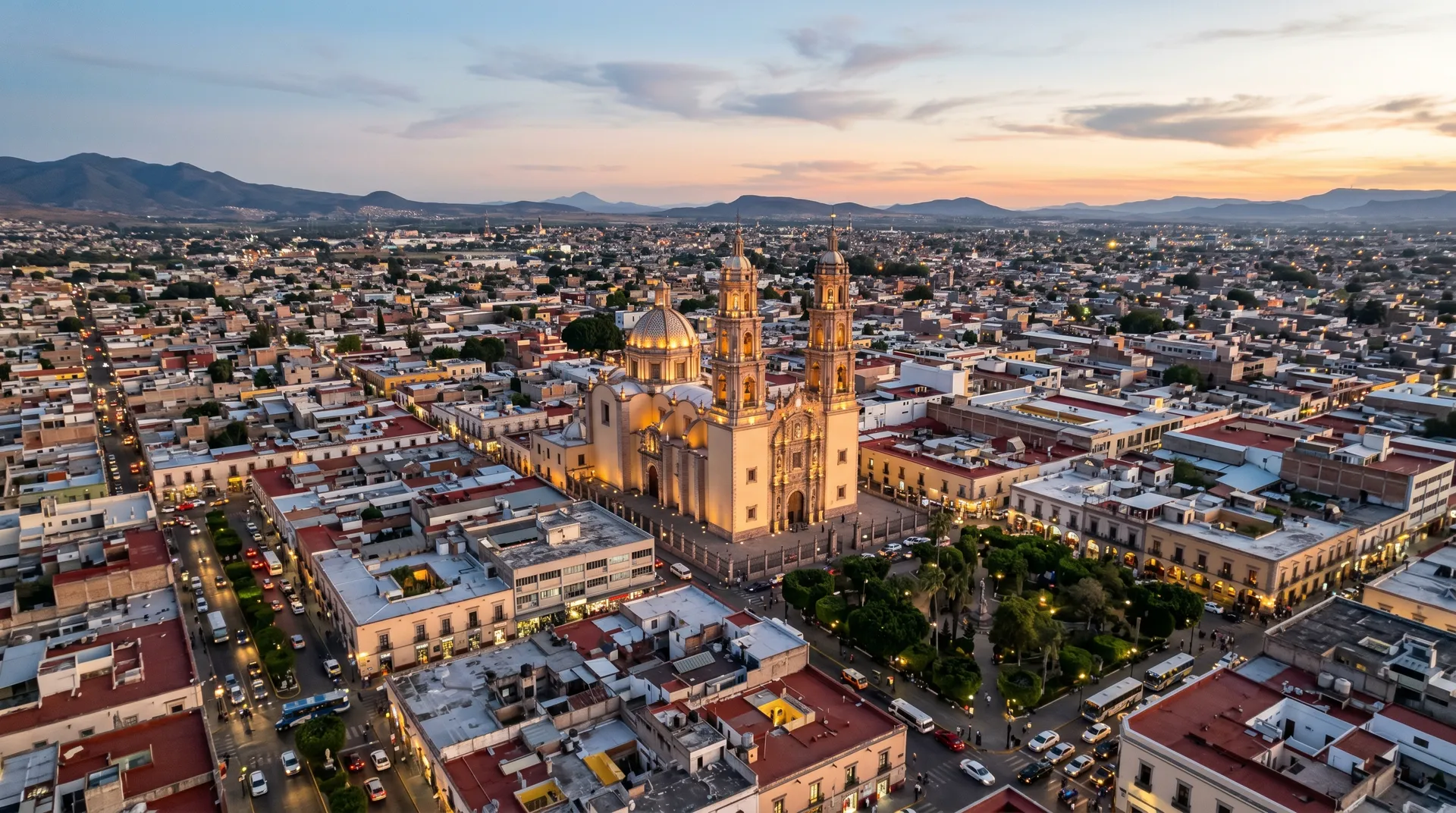
Celaya
Celaya, located in the state of Guanajuato, is a pivotal logistics and industrial hub within Mexico's renowned Bajío region. Its strategic position is defined by proximity to major automotive manufacturing clusters in Guanajuato and Querétaro, excellent connectivity to Mexico City and the U.S. border via high-capacity highways (Federal 57 and 57D), and access to rail freight services. The city's economy is robustly industrial, dominated by automotive parts manufacturing, food processing (particularly dairy and confectionery), and a broad base of general manufacturing. This industrial density generates consistent, high-volume demand for outbound full truckload freight, making Celaya a critical origin point for domestic and cross-border supply chains. The available infrastructure supports efficient loading and dispatch for long-haul national and international transportation.
 Destination
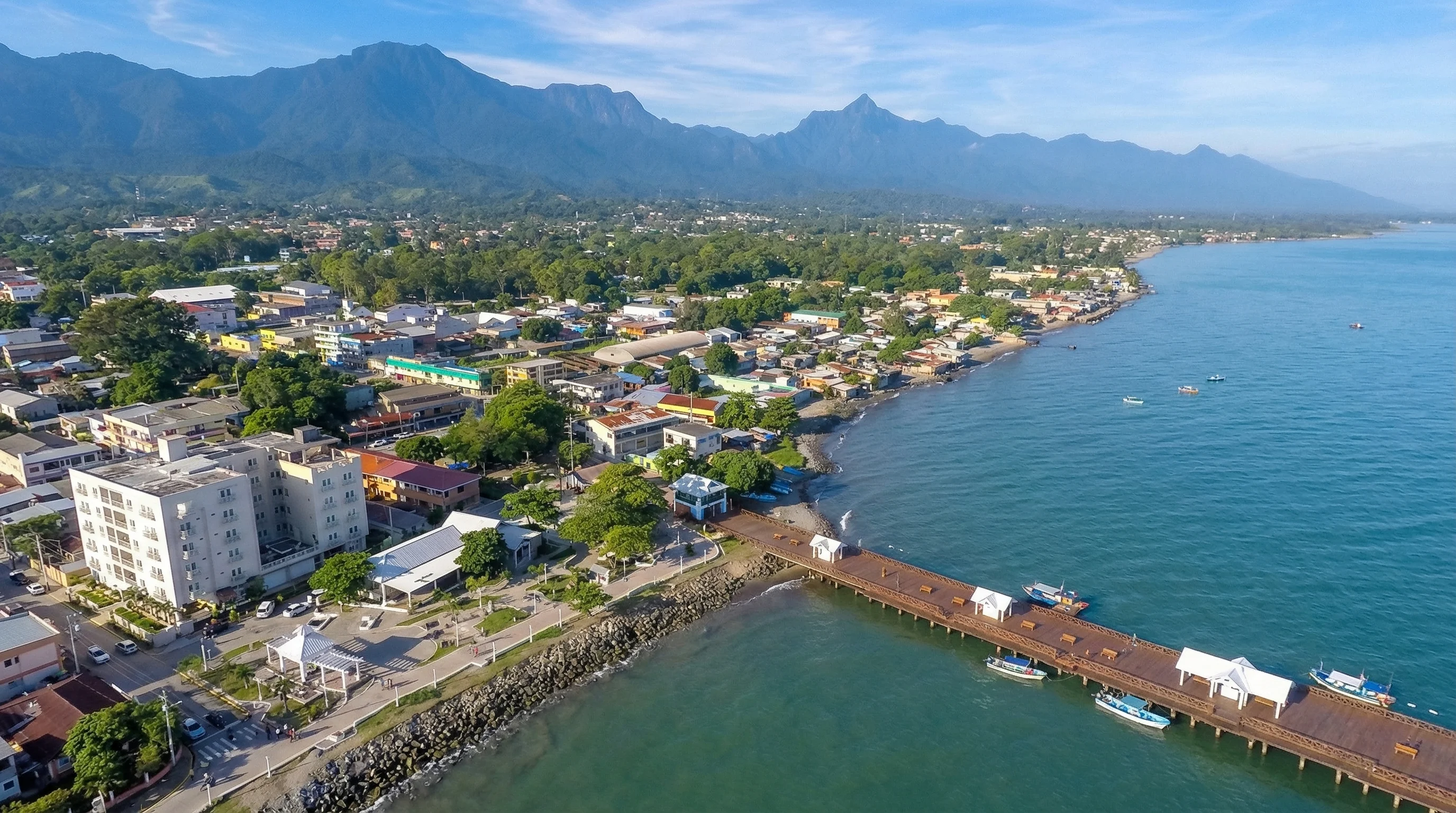
La Ceiba, on Honduras' northern Caribbean coast, is a strategic logistics gateway and one of Central America's most important port cities. Its primary significance stems from the Port of La Ceiba, a key hub for cargo handling and cruise ships, serving as the main maritime exit for Honduran exports, especially bananas and other tropical fruits. The city is also a commercial center for the surrounding Atlántida department, with economic activities in agriculture, tourism, and light industry. Logistically, La Ceiba is the southern terminus of the CA-5 highway, the principal land route connecting Honduras to Guatemala and the broader Central American region. This infrastructure allows for the consolidation and distribution of goods arriving by sea to inland destinations or for cross-border transit. The port's facilities and road links make it an essential destination for freight forwarders managing import/export flows to and from Honduras.










