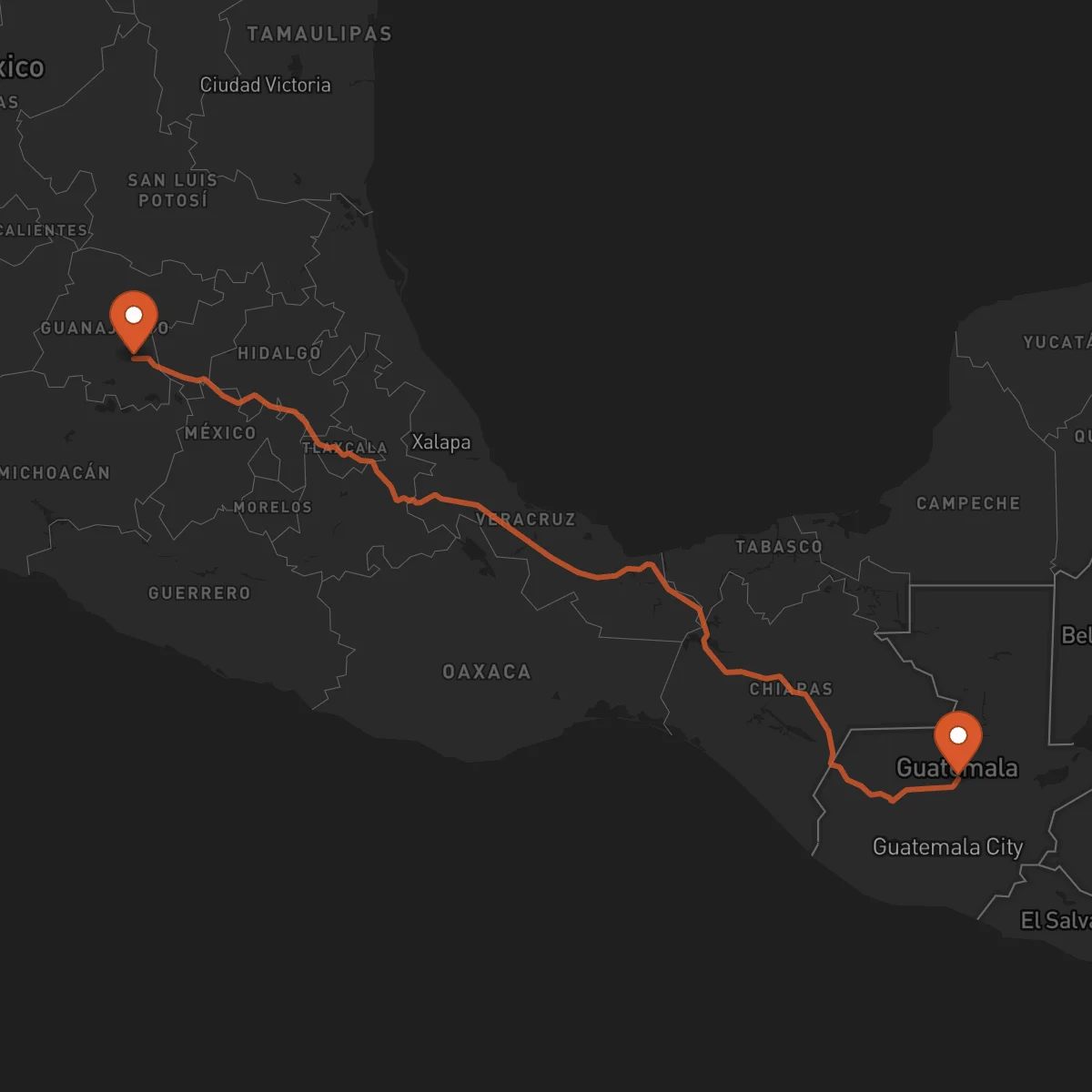
Celaya to Cobán
Cobán → CelayaFTL freight transportation service between Celaya and Cobán. Reliable logistics solutions for your business.
Route Description
Everything you need to know about the corridor Celaya - Cobán
The Celaya to Cobán corridor represents a critical north-south logistics artery connecting Mexico's industrial Bajío region with the agricultural heartland of Guatemala's Alta Verapaz. Spanning approximately 1,238 kilometers, this cross-border route is strategically vital for moving full truckload (FTL) cargo between two economically dynamic areas, facilitating trade and supply chain resilience across Central America. The corridor's importance is underscored by its role in linking major manufacturing hubs with key export centers for perishable goods and raw materials.
Economically, the route serves a diverse industrial landscape. On the Mexican side, the Bajío region, where Celaya is a pivotal node, is renowned for its automotive, agro-industrial, and food processing sectors. In Guatemala, the Alta Verapaz department, with Cobán as its capital, is the nation's primary producer of coffee, cardamom, bananas, and other tropical fruits, alongside growing timber and manufacturing activities. This creates a robust, bidirectional flow of goods: finished industrial products and inputs moving south, and high-value agricultural exports moving north toward U.S. and Canadian markets.
The primary transportation infrastructure relies on a sequence of major highways. The journey begins on Mexico's Federal Highway 57D (the Arco Norte) and transitions to Highway 190, a crucial corridor traversing the Isthmus of Tehuantepec. After crossing the border at Ciudad Hidalgo, Mexico / Tecún Umán, Guatemala, the route continues through Guatemalan highways such as the CA-1 and CA-14, navigating varied terrain to reach Cobán. This path requires meticulous planning for customs clearance and adherence to cross-border regulations at one of the region's busiest land crossings.
Control Terrestre facilitates seamless operations on this complex corridor through our specialized alliance of providers. We exclusively manage full truckload (FTL) movements, including dedicated, expedited, and specialized cargo like refrigerated goods. Our partners hold essential certifications for this route, including C-TPAT, FAST, and BASC, ensuring compliant and secure cross-border transit. We handle the intricate logistics of border documentation, customs coordination, and carrier management, providing our clients with a single, human point of contact for end-to-end door-to-door service from Celaya to Cobán, optimizing their supply chain for reliability and efficiency.
Services for this Route
Available services for the corridor Celaya - Cobán
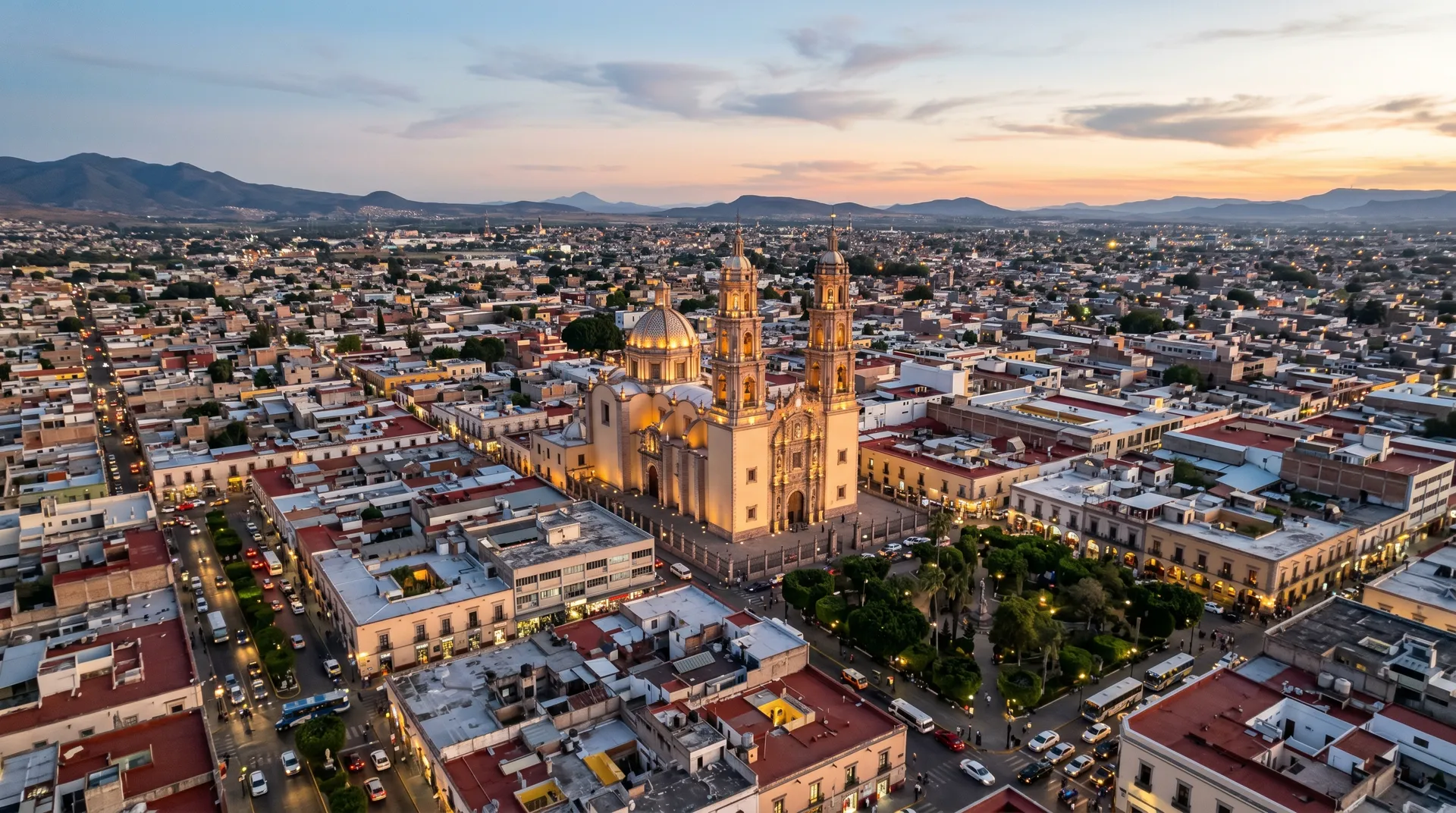 Origin
Celaya
Celaya, located in the state of Guanajuato, is a strategic logistics powerhouse within Mexico's industrial Bajío region. Its central position offers unparalleled connectivity to major Mexican markets, manufacturing centers in Querétaro and Guanajuato, and key ports on both the Pacific and Gulf coasts. The city is a major hub for the automotive industry, with significant presence from OEMs and suppliers, alongside strong agro-industrial and food processing sectors. Its infrastructure is robust, featuring direct access to Federal Highways 57 and 45, and it is well-connected to the broader North American network via rail intermodal facilities and proximity to international airports. This makes Celaya an optimal origin point for FTL freight destined for Central America and beyond.
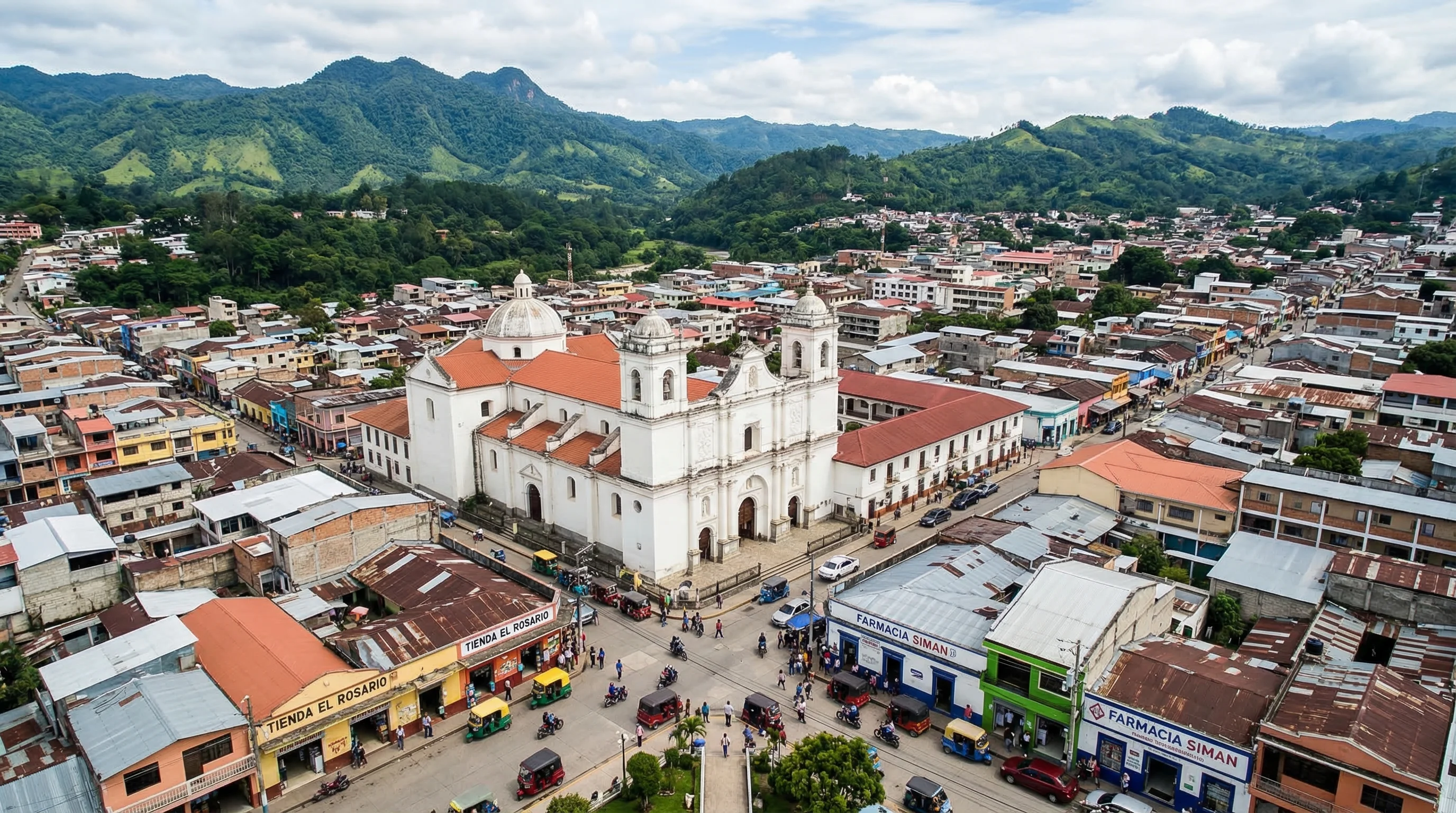 Destination
Cobán
Cobán, the capital of Guatemala's Alta Verapaz department, is a strategic logistics gateway for the country's most fertile agricultural region. Its location in the highlands provides access to the production zones of premium coffee, cardamom, bananas, and a variety of tropical fruits and timber. The city serves as the primary collection and distribution center for these exports. Infrastructure includes connections via the CA-1 and CA-14 highways, which link to the Caribbean port of Puerto Barrios for maritime export and to the rest of Guatemala's road network. While the terrain presents mountainous challenges, these established routes are vital for moving refrigerated and dry van FTL cargo efficiently from the interior to coastal ports and border crossings.










