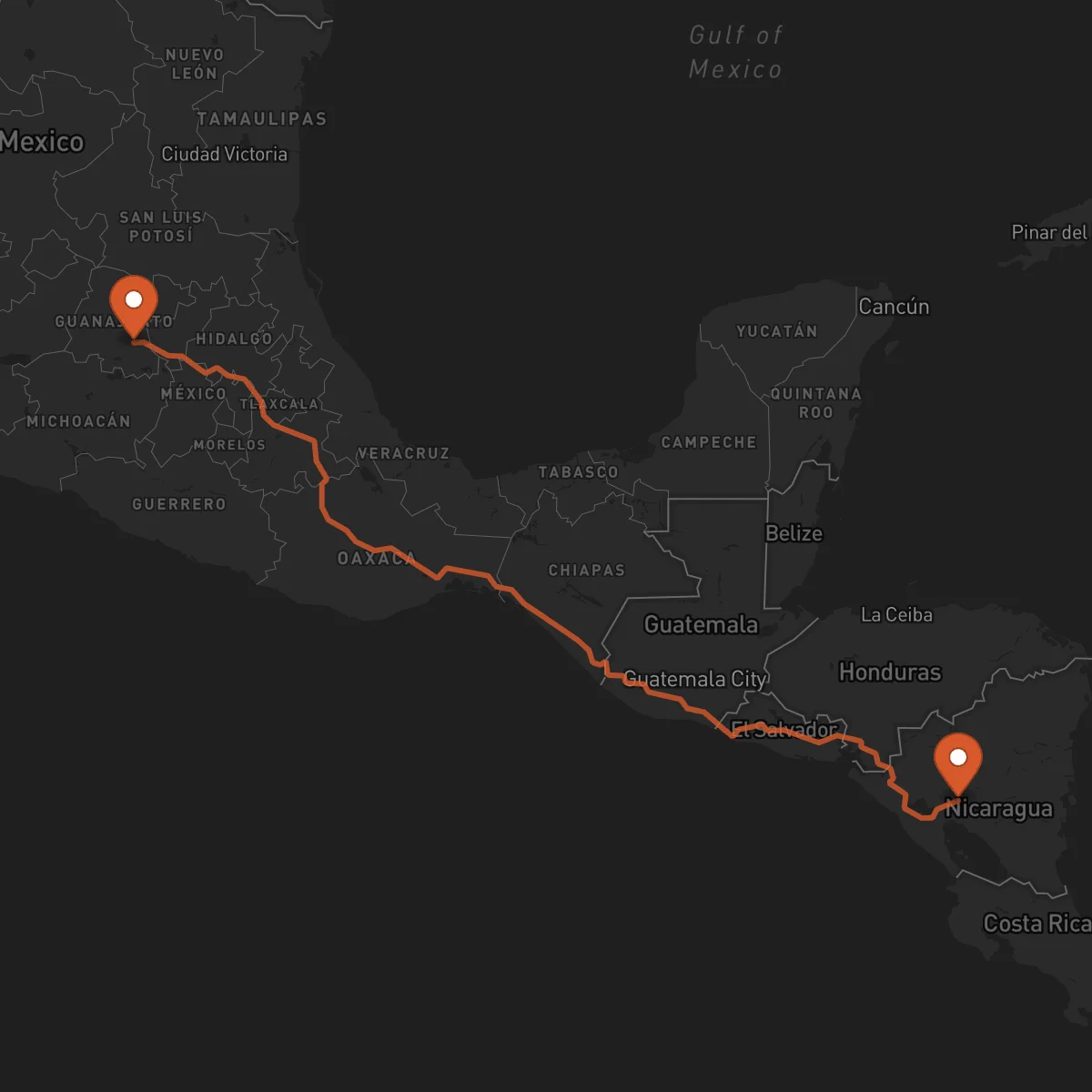
Celaya to Boaco
Boaco → CelayaFTL freight transportation service between Celaya and Boaco. Reliable logistics solutions for your business.
Route Description
Everything you need to know about the corridor Celaya - Boaco
The logistics corridor connecting Celaya, Guanajuato, Mexico, to Boaco, Boaco, Nicaragua, represents a vital cross-border freight route spanning approximately 1,845 kilometers through the heart of Central America. This corridor serves as a critical link for companies seeking to move full truckload (FTL) freight between central Mexico's industrial powerhouse and Nicaragua's growing agricultural and commercial regions. As trade between Mexico and Central America continues to strengthen, this route has become increasingly important for businesses looking to optimize their supply chains across international borders.
Celaya sits within the Bajío region, one of Mexico's most dynamic manufacturing and industrial zones, producing automotive components, food products, and consumer goods destined for Central American markets. Boaco, located in Nicaragua's central highlands, serves as a key distribution hub for agricultural products, textiles, and general merchandise moving in both directions. The corridor supports a diverse range of industries including automotive parts, processed foods, agricultural commodities, construction materials, and consumer packaged goods that require reliable full truckload transportation solutions.
The primary transportation infrastructure follows Mexico's federal highway network southward through key states including Michoacán, Guerrero, and Oaxaca before crossing into Guatemala and continuing through Honduras and El Salvador en route to Nicaragua. Major border crossings along this route include the Mexico-Guatemala border at Ciudad Húmedo/La Mesilla, as well as subsequent crossings between Guatemala-Honduras, Honduras-El Salvador, and El Salvador-Nicaragua. Each border presents unique customs procedures, documentation requirements, and regulatory considerations that demand experienced coordination to ensure seamless transit.
At Control Terrestre, we facilitate full truckload operations along this corridor through our alliance of experienced transportation providers who understand the complexities of cross-border freight movement. Our network handles all necessary customs coordination, documentation management, and regulatory compliance at each international crossing. With equipment options including 48' and 53' dry vans, refrigerated units, and specialized trailers, we provide dedicated FTL solutions tailored to your cargo requirements. Our providers maintain C-TPAT, FAST, and BASC certifications, ensuring secure and efficient transportation throughout the entire corridor.
Services for this Route
Available services for the corridor Celaya - Boaco
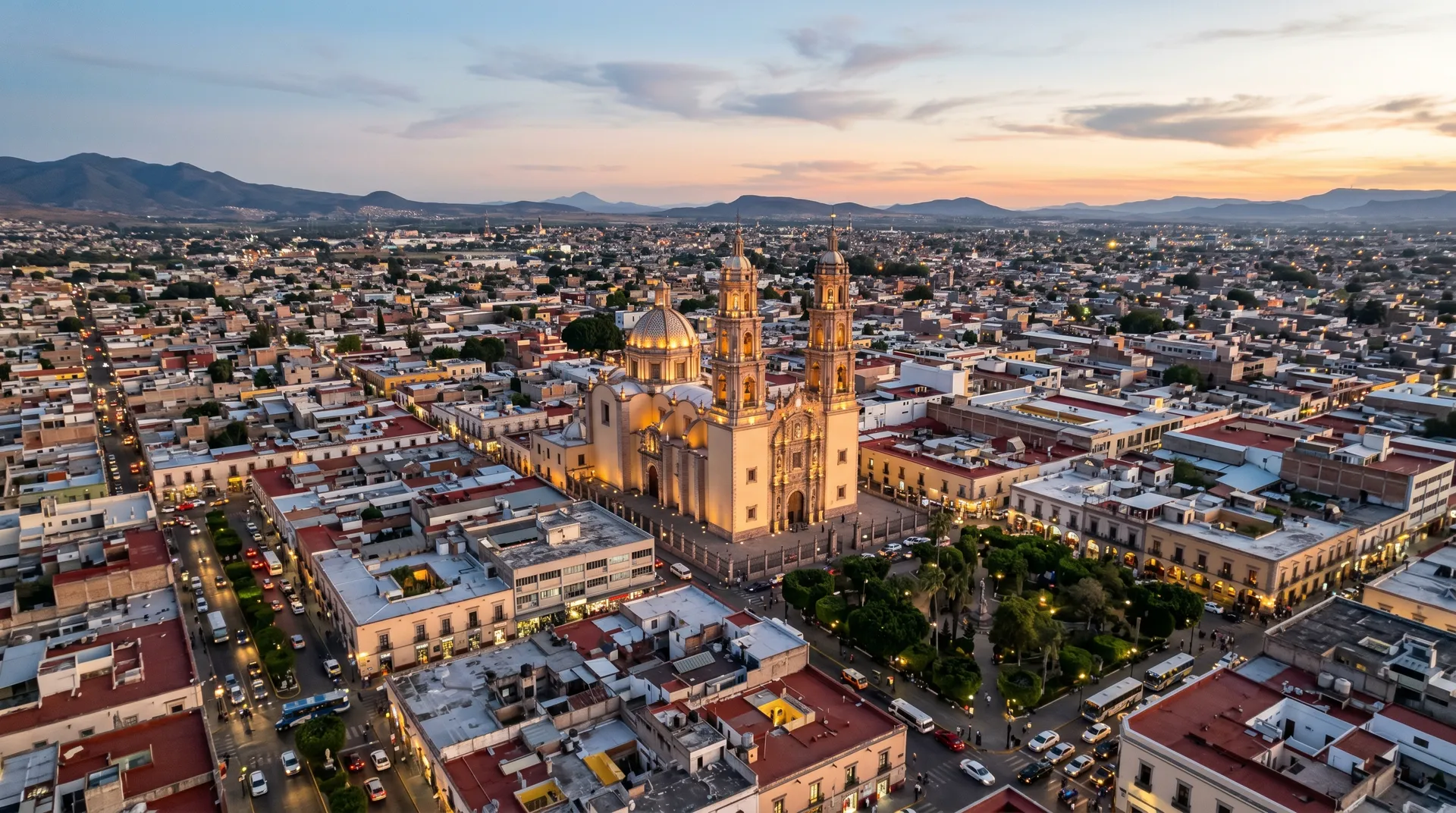 Origin
Celaya
Celaya, located in the state of Guanajuato, occupies a strategic position within Mexico's Bajío region, recognized as one of the country's most important industrial and manufacturing corridors. The city benefits from excellent connectivity to major Mexican markets through federal highways linking to Mexico City, Guadalajara, Monterrey, and the northern border crossings. Celaya's economy thrives on automotive manufacturing, food processing, agricultural production, and logistics services, making it a significant origin point for freight destined for Central American markets. The region's well-developed transportation infrastructure, including access to intermodal facilities and established freight corridors, positions Celaya as an ideal starting point for cross-border shipments heading south.
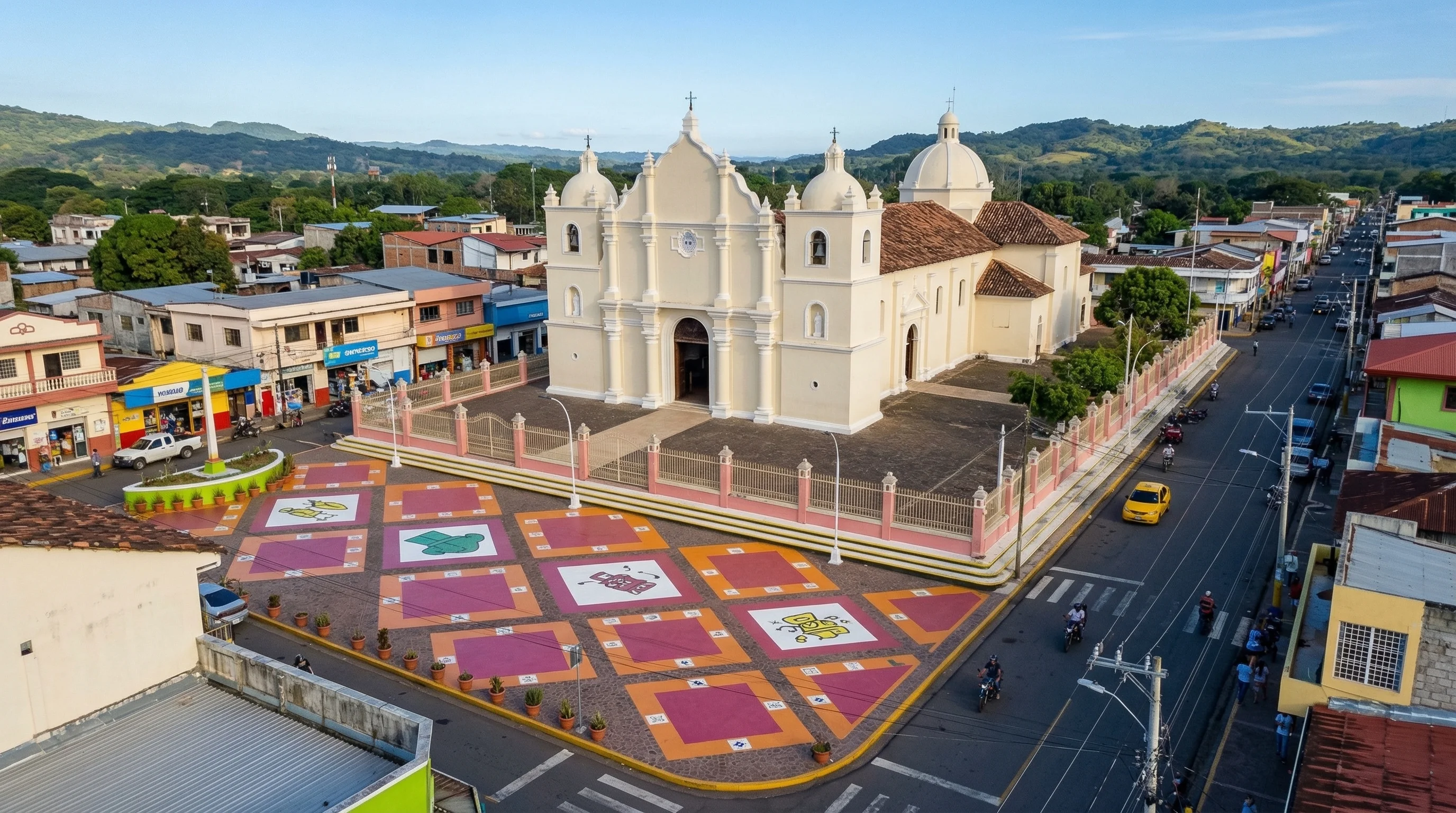 Destination
Boaco serves as an important commercial and agricultural center in Nicaragua's central highlands, functioning as a distribution hub for the surrounding region. The department's economy centers on cattle ranching, dairy production, agriculture, and growing commercial activity that requires reliable inbound freight connections. While Boaco's transportation infrastructure is more limited compared to major Nicaraguan cities, it connects to the Pan-American Highway system, enabling access to Managua and other key markets. The region's developing economy creates consistent demand for full truckload shipments of manufactured goods, construction materials, and consumer products arriving from Mexican and Central American origins.










