
Cartago to Colima
Colima → CartagoFTL freight transportation service between Cartago and Colima. Reliable logistics solutions for your business.
Route Description
Everything you need to know about the corridor Cartago - Colima
The Cartago-Costa Rica to Colima-Mexico corridor represents a vital north-south artery connecting Central America's industrial heartland with Mexico's strategic Pacific gateway. Spanning approximately 2,370 kilometers, this cross-border route is fundamental for regional trade, enabling the efficient movement of goods between Costa Rica's productive Central Valley and Mexico's key manufacturing and export hubs. The corridor's strategic importance is amplified by its role in integrating supply chains across the isthmus, supporting the flow of agricultural commodities, manufactured components, and consumer goods that drive economic activity in both regions.
Economically, the corridor serves dynamic industrial zones. In Costa Rica, the Cartago province is a hub for high-tech manufacturing, medical devices, and coffee production, while broader Central America contributes textiles, processed foods, and agricultural exports. On the Mexican side, the state of Colima is a powerhouse for agricultural exports (like bananas and palm oil), leverages the Port of Manzanillo—one of Latin America's busiest—and hosts growing manufacturing sectors, particularly in automotive and aerospace parts. This corridor primarily serves industries requiring reliable, high-capacity full truckload (FTL) solutions, including perishable agriculture, industrial machinery, and bulk commodities.
Infrastructure relies heavily on the Pan-American Highway network, including Costa Rica's Route 2 and Mexico's Federal Highway 200D, which provide a continuous paved link. The critical border crossing at Paso Canoas (Costa Rica/Panama) and the subsequent border at Ciudad Hidalgo/Tecún Umán (Guatemala/Mexico) are major nodes where customs procedures, certifications like C-TPAT and FAST, and regulatory compliance are paramount. Control Terrestre facilitates seamless operations on this corridor by leveraging our alliance of certified carriers. We manage the complex cross-border documentation, coordinate with customs brokers familiar with CAFTA-DR and Mexican regulations, and provide dedicated FTL capacity—including dry vans, reefers, and flatbeds—tailored to the specific cargo needs of this long-haul route, ensuring a singular point of contact for our clients' end-to-end logistics.
Services for this Route
Available services for the corridor Cartago - Colima
 Origin
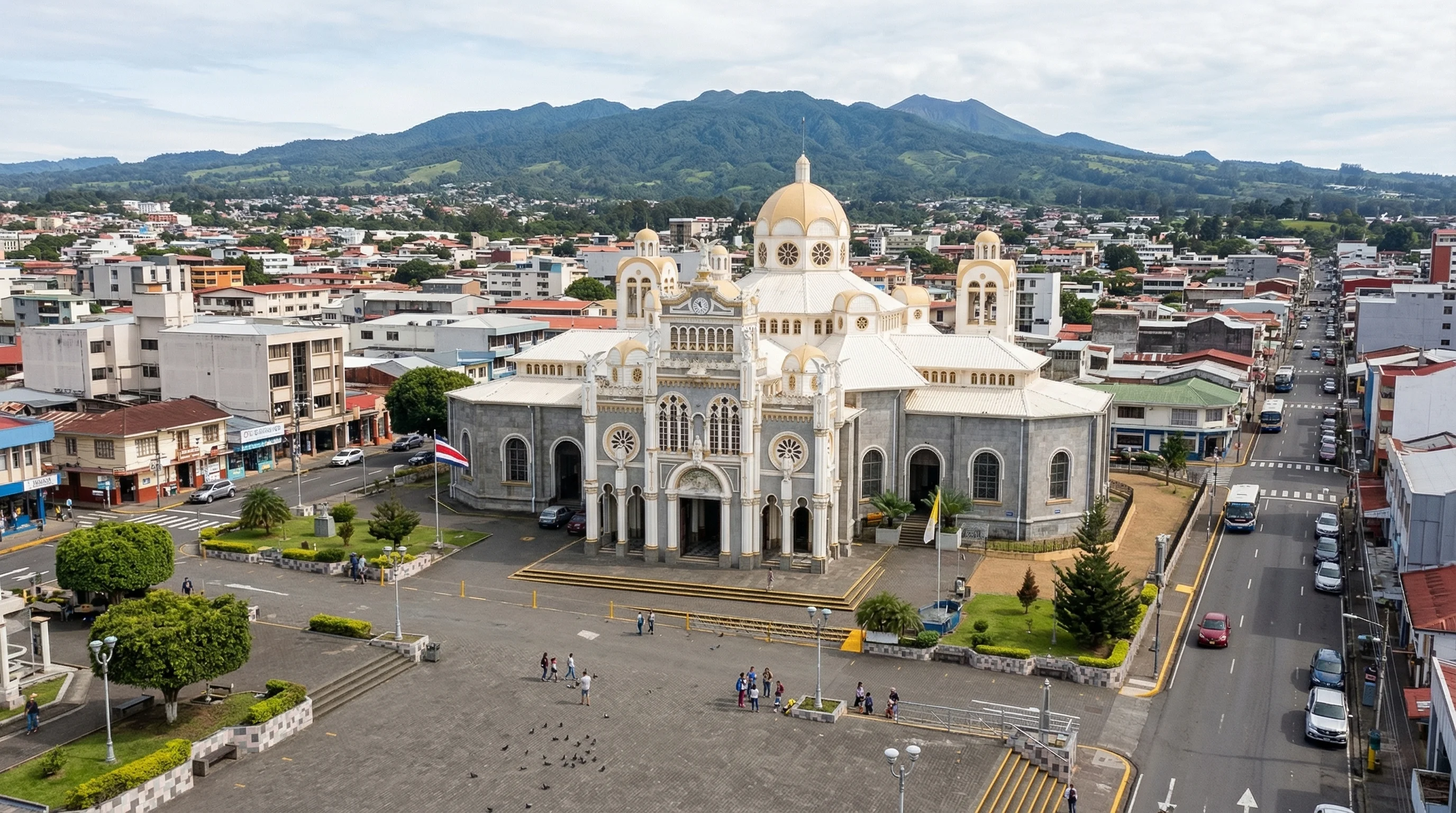
Cartago
Cartago province, located in Costa Rica's Central Valley, offers a strategic logistics origin due to its proximity to the capital, San José, and its integration into the country's primary industrial corridor. The region is a major economic engine, renowned for high-value coffee production and a significant manufacturing sector that includes electronics, medical devices, and food processing. Its infrastructure is robust, featuring direct access to Route 2 (the Pan-American Highway), which provides the initial northbound leg of the corridor. Furthermore, Cartago is well-connected to Costa Rica's key ports, particularly Puerto Limón on the Caribbean coast via road networks, facilitating efficient export consolidation for international shipments heading north through Central America.
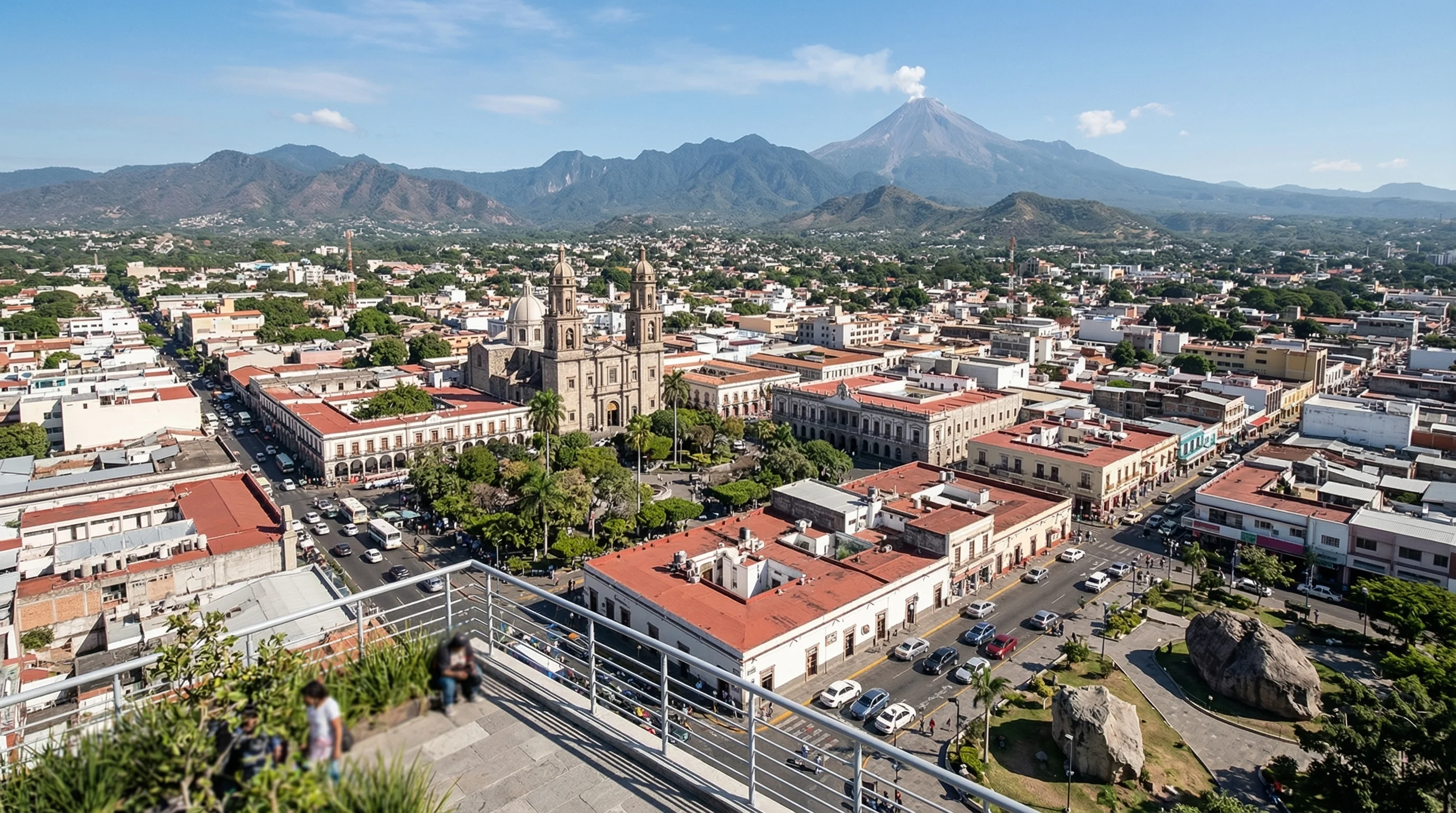 Destination
Colima, Mexico, serves as a strategic Pacific gateway and industrial destination. The state's economy is anchored by the Port of Manzanillo, a critical logistics hub for containerized and bulk cargo handling on Mexico's west coast. Key industries include agriculture (banana, coconut, and palm oil plantations), mining, and a growing manufacturing sector linked to nearby industrial parks. The region's infrastructure is designed for heavy freight, with Federal Highway 200D providing a direct, high-capacity connection north to Guadalajara and the U.S. border. This highway network, combined with the port's capabilities, makes Colima a pivotal distribution point for goods moving between Mexico's interior and international markets, requiring reliable FTL services for both import and export flows.










