Cancún to Vancouver
Vancouver → CancúnFTL freight transportation service between Cancún and Vancouver. Reliable logistics solutions for your business.
Route Description
Everything you need to know about the corridor Cancún - Vancouver
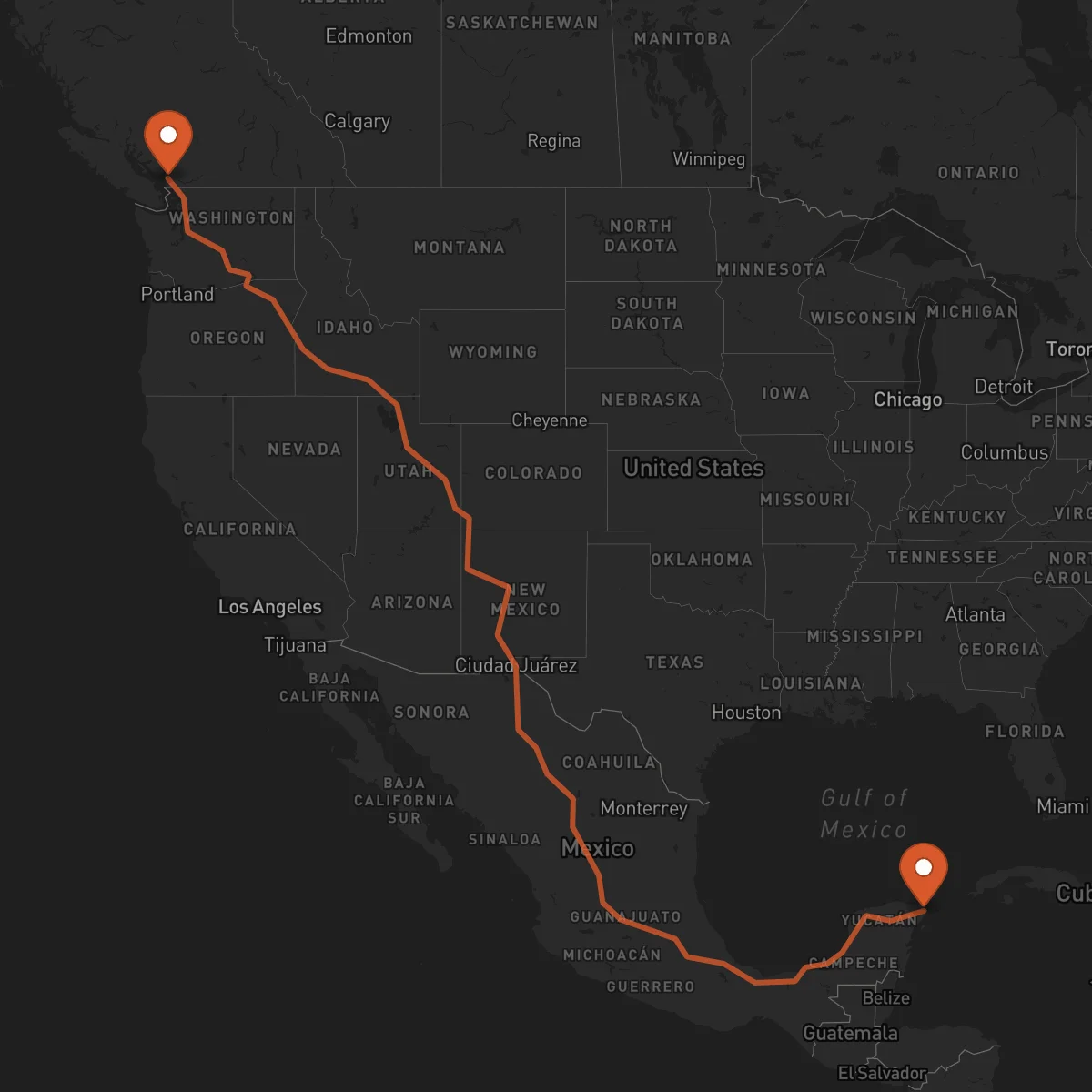
The logistics corridor connecting Cancún, Quintana Roo, Mexico to Vancouver, British Columbia, Canada represents a vital transcontinental route spanning approximately 4,467 kilometers. This cross-border corridor links Mexico's Caribbean tourism hub with Canada's Pacific gateway, facilitating the movement of diverse cargo types between North America's major economic regions. The route traverses multiple climate zones and crosses international borders, requiring specialized logistics expertise to ensure seamless operations.
The economic significance of this corridor is substantial, connecting Mexico's growing manufacturing and tourism sectors with Canada's advanced industrial base and Pacific trade networks. Key industries utilizing this route include automotive parts, electronics, consumer goods, agricultural products, and specialized equipment. The corridor serves as a critical link for companies engaged in North American trade, particularly those requiring door-to-door FTL (Full Truckload) transportation solutions.
Transportation infrastructure along this corridor includes Mexico's Federal Highway 180, which connects Cancún to the U.S. border at Brownsville, Texas. From there, major U.S. interstate highways including I-35, I-29, and I-5 provide access to Vancouver. The corridor crosses the U.S.-Canada border at various points, with the most common being the Pacific Highway crossing near Blaine, Washington. Control Terrestre's expertise in cross-border operations ensures smooth customs clearance and compliance with all regulatory requirements, while our network of certified carriers provides reliable transportation throughout the entire journey.
Services for this Route
Available services for the corridor Cancún - Vancouver
 Origin
Cancún
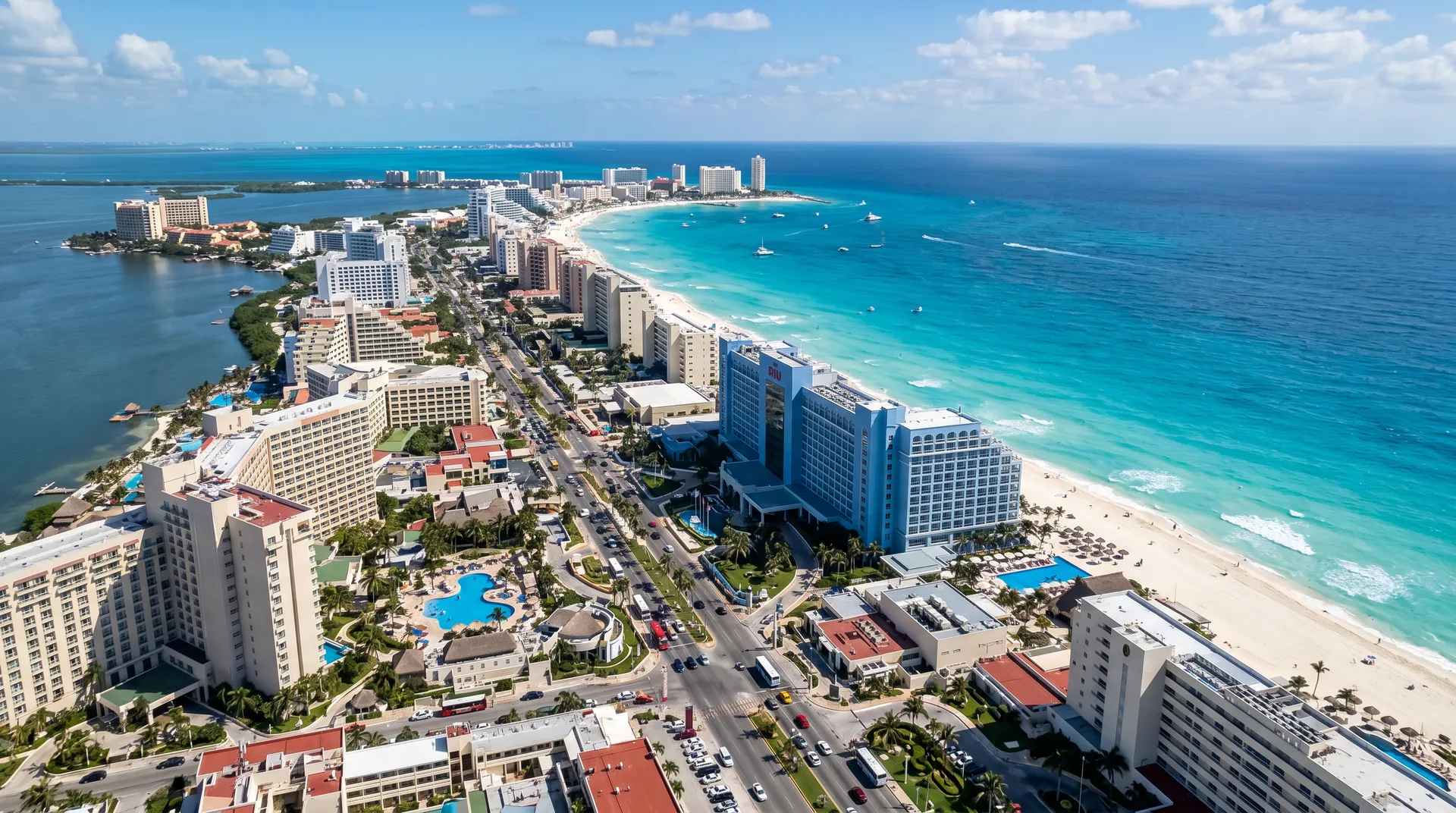
Cancún, located in Quintana Roo on Mexico's Caribbean coast, serves as a strategic logistics hub for the Yucatán Peninsula. The city's proximity to major tourist destinations and its position as a gateway to Mexico's southeast region make it ideal for freight operations. Cancún benefits from the nearby Puerto Morelos International Trade Terminal and its connection to Mexico's highway network. The region's economy is driven by tourism, agriculture, and manufacturing, with growing importance in electronics assembly and automotive components. The city's infrastructure includes modern highways connecting to major Mexican cities and ports, facilitating efficient cargo movement to both domestic and international destinations.
 Destination
Vancouver
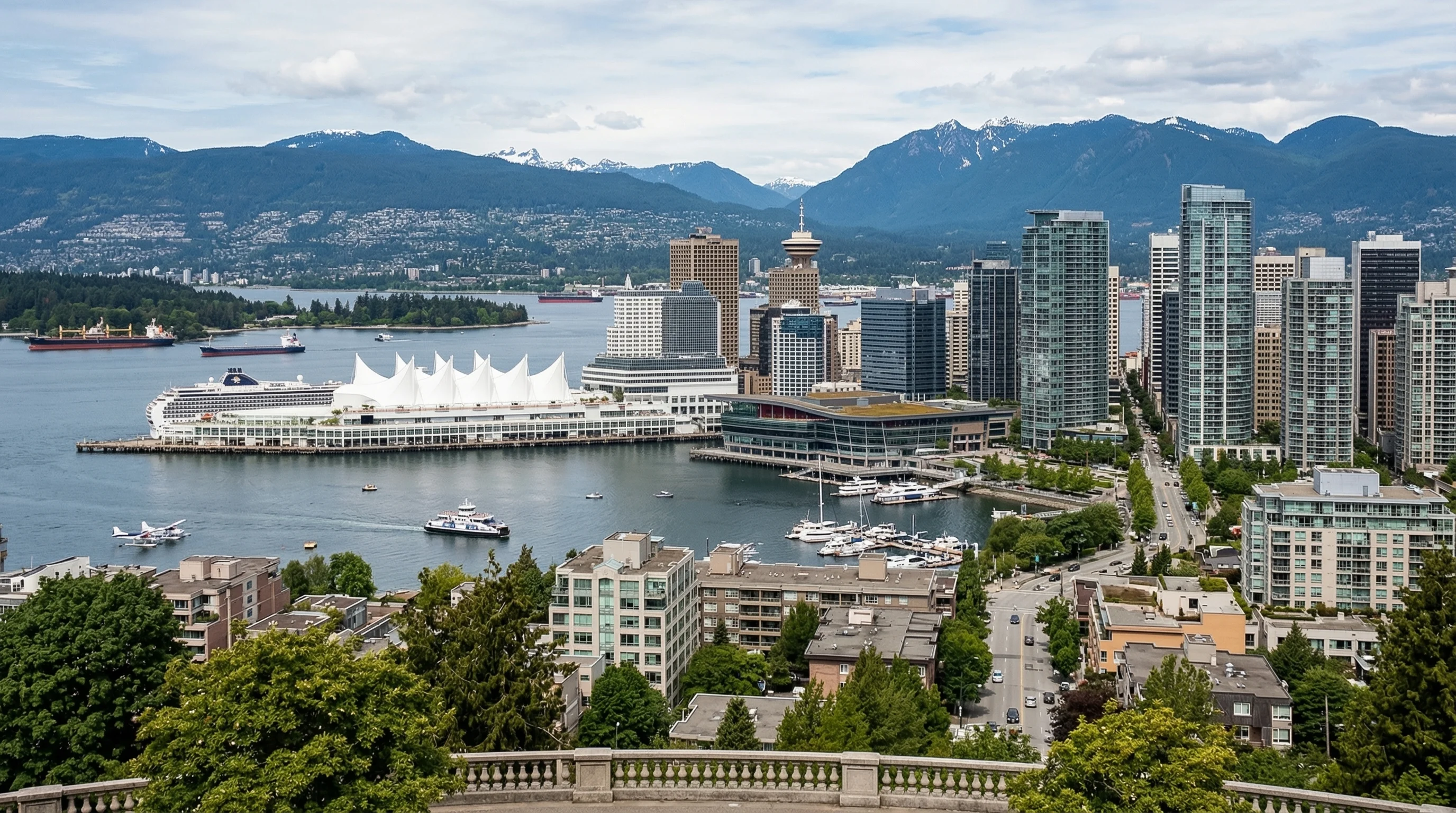
Vancouver, situated on Canada's Pacific coast in British Columbia, is a premier logistics hub for western North America. As Canada's largest port by tonnage, Vancouver provides access to Asian markets and serves as a critical gateway for international trade. The city's strategic location offers connections to major rail networks and highways, including the Trans-Canada Highway and U.S. Interstate connections. Vancouver's economy is diverse, with strong sectors in technology, forestry, mining, and international trade. The Port of Vancouver, along with Vancouver International Airport, provides multimodal transportation options. The region's advanced logistics infrastructure, including bonded warehouses and customs facilities, supports efficient freight operations and distribution throughout western Canada and beyond.










