Cancún to Tucson
Tucson → CancúnFTL freight transportation service between Cancún and Tucson. Reliable logistics solutions for your business.
Route Description
Everything you need to know about the corridor Cancún - Tucson
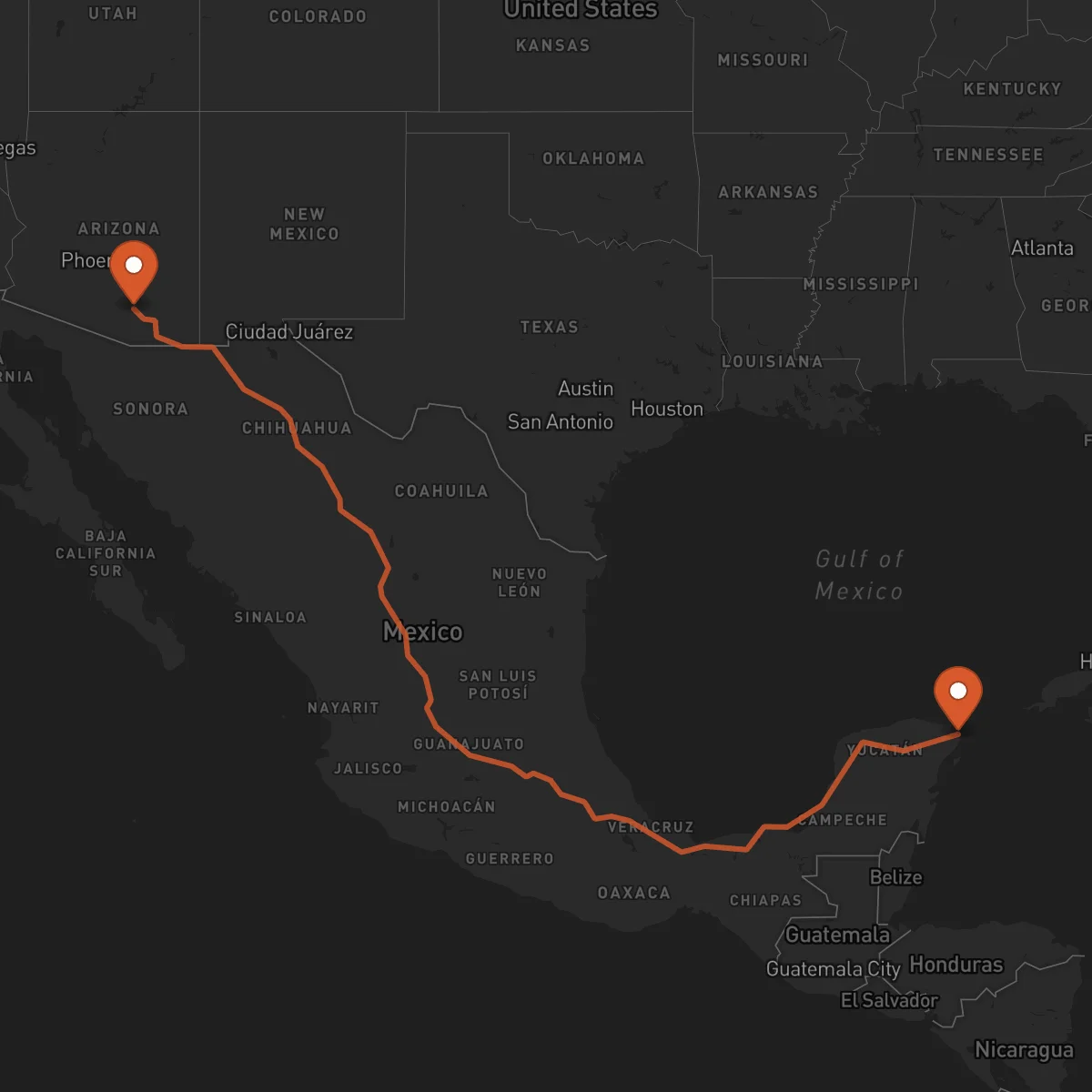
The logistics corridor connecting Cancún, Quintana Roo, México to Tucson, Arizona, United States represents a vital cross-border route spanning approximately 2,686 kilometers through diverse terrain and multiple jurisdictions. This corridor serves as a critical link between the southeastern region of Mexico and the southwestern United States, facilitating the movement of goods across international borders with efficiency and reliability. As a cross-border corridor, it demands careful coordination of customs regulations, documentation, and transportation logistics to ensure seamless operations for businesses on both sides of the border.
The economic and industrial context of this corridor is shaped by the unique characteristics of its endpoints and the regions it traverses. Cancún, as a major tourist and commercial hub in southeastern Mexico, generates significant demand for imported goods ranging from construction materials to consumer products, while Tucson serves as a strategic logistics node in the Arizona-Sonora region, connecting to broader U.S. distribution networks. The main industries utilizing this corridor include tourism infrastructure, manufacturing, retail distribution, and agricultural supply chains, all of which require dependable freight solutions to maintain operational continuity.
Transportation infrastructure along this corridor primarily relies on Mexico's federal highway system, including key routes such as Highway 180 and Highway 305 in the Yucatán Peninsula, connecting to major interstate highways in the United States. Relevant border crossings and customs considerations are paramount for this route, as shipments must comply with both Mexican and U.S. regulations, including C-TPAT and FAST certifications that streamline the clearance process. Control Terrestre facilitates operations on this corridor by leveraging its alliance of experienced transportation providers, ensuring that every shipment is handled with the expertise and attention to detail required for cross-border logistics.
At Control Terrestre, we understand the complexities of cross-border freight transportation and are committed to providing dedicated full truckload (FTL) services that meet the unique demands of this corridor. Our team works closely with clients to navigate customs requirements, optimize routing, and ensure timely delivery, making us a trusted partner for businesses seeking reliable logistics solutions between Cancún and Tucson.
Services for this Route
Available services for the corridor Cancún - Tucson
 Origin
Cancún
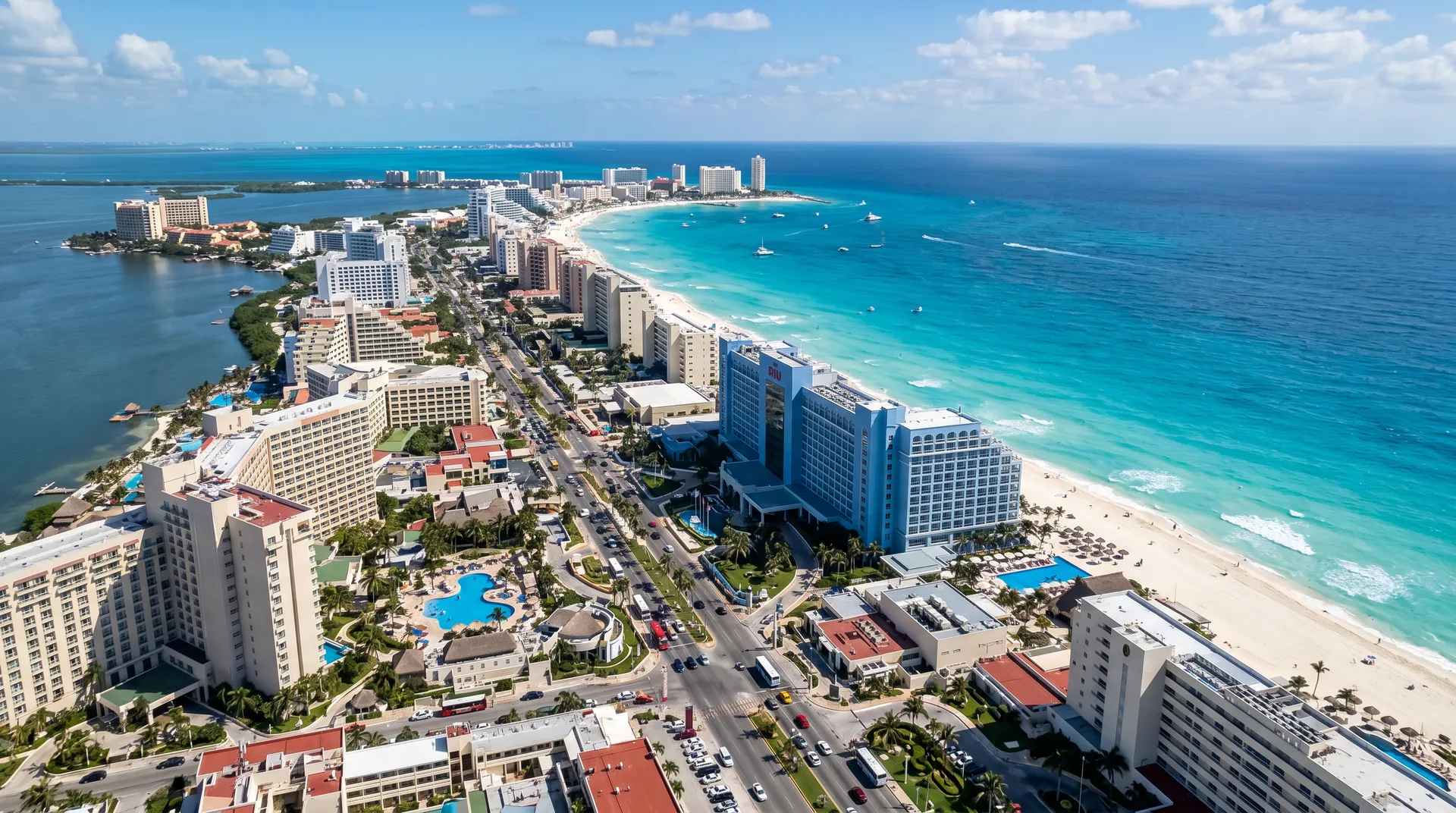
Cancún, located in the state of Quintana Roo, México, is a strategic logistics hub due to its position as one of the most important tourist destinations in Latin America. The city's economy is driven by tourism, hospitality, and retail sectors, which generate consistent demand for imported goods including construction materials, food and beverage supplies, and consumer products. Cancún's transportation infrastructure includes the Cancún International Airport for air cargo, the Port of Cancún for maritime shipments, and a network of federal highways connecting to the broader Mexican road system. The city's location on the Yucatán Peninsula makes it a gateway for goods destined for southeastern Mexico and beyond.
 Destination
Tucson
Tucson, Arizona, serves as a strategic logistics node in the southwestern United States, positioned near the U.S.-Mexico border and connected to major interstate highways including I-10 and I-19. The city's economy is supported by industries such as aerospace and defense, mining, agriculture, and manufacturing, all of which rely on efficient freight transportation. Tucson's transportation infrastructure includes the Tucson International Airport, rail connections via Union Pacific, and proximity to the Port of Tucson, a designated foreign trade zone. Its location makes it an ideal distribution point for goods moving between Mexico and the broader U.S. market.










