Cancún to Tijuana
Tijuana → CancúnFTL freight transportation service between Cancún and Tijuana. Reliable logistics solutions for your business.
Route Description
Everything you need to know about the corridor Cancún - Tijuana
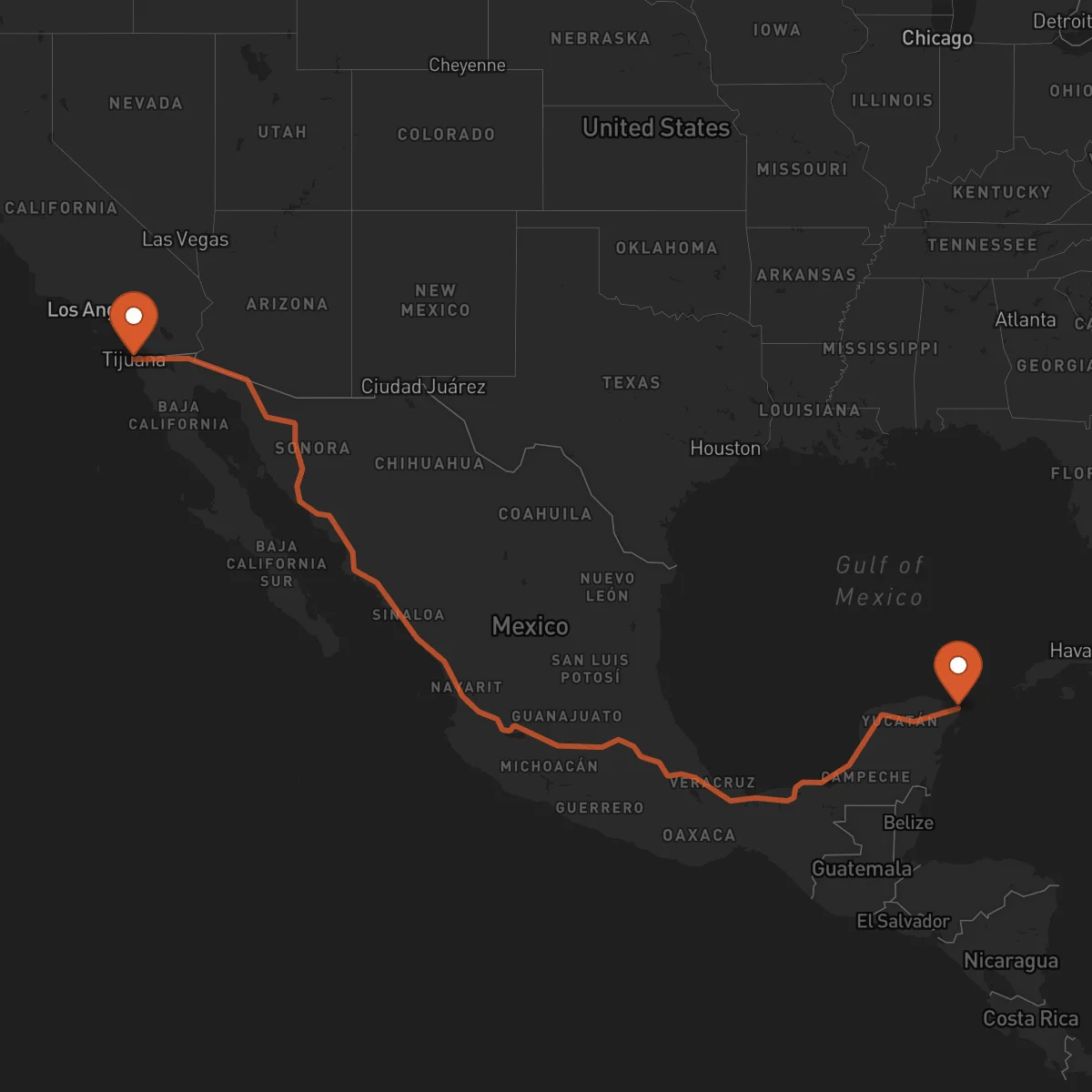
The Cancún-Tijuana corridor represents a strategic connection between Mexico's Caribbean coast and the Pacific border with the United States. This domestic route spans approximately 3,234 kilometers across the country, linking two vital economic regions. The corridor traverses diverse geographic and industrial zones, from the tourism and manufacturing hub of Cancún through central Mexico's industrial belt to Baja California's export-oriented economy.
The corridor's economic significance is driven by the automotive, electronics, and aerospace industries, which require efficient transportation of components and finished products between manufacturing centers. Tourism-related goods from Cancún's Caribbean coast also move through this route to western markets. The corridor facilitates cross-country supply chains, connecting Mexico's southeastern production centers with northern border facilities and international trade hubs.
Key transportation infrastructure includes federal highways such as the Carretera Federal 180 and Carretera Federal 2, providing reliable north-south connectivity. Control Terrestre optimizes this corridor through our specialized full truckload (FTL) services, offering dedicated transportation solutions that ensure cargo security and timely delivery. Our experienced carrier network and strategic route planning help businesses maximize efficiency when moving freight between these distant economic centers.
Services for this Route
Available services for the corridor Cancún - Tijuana
 Origin
Cancún
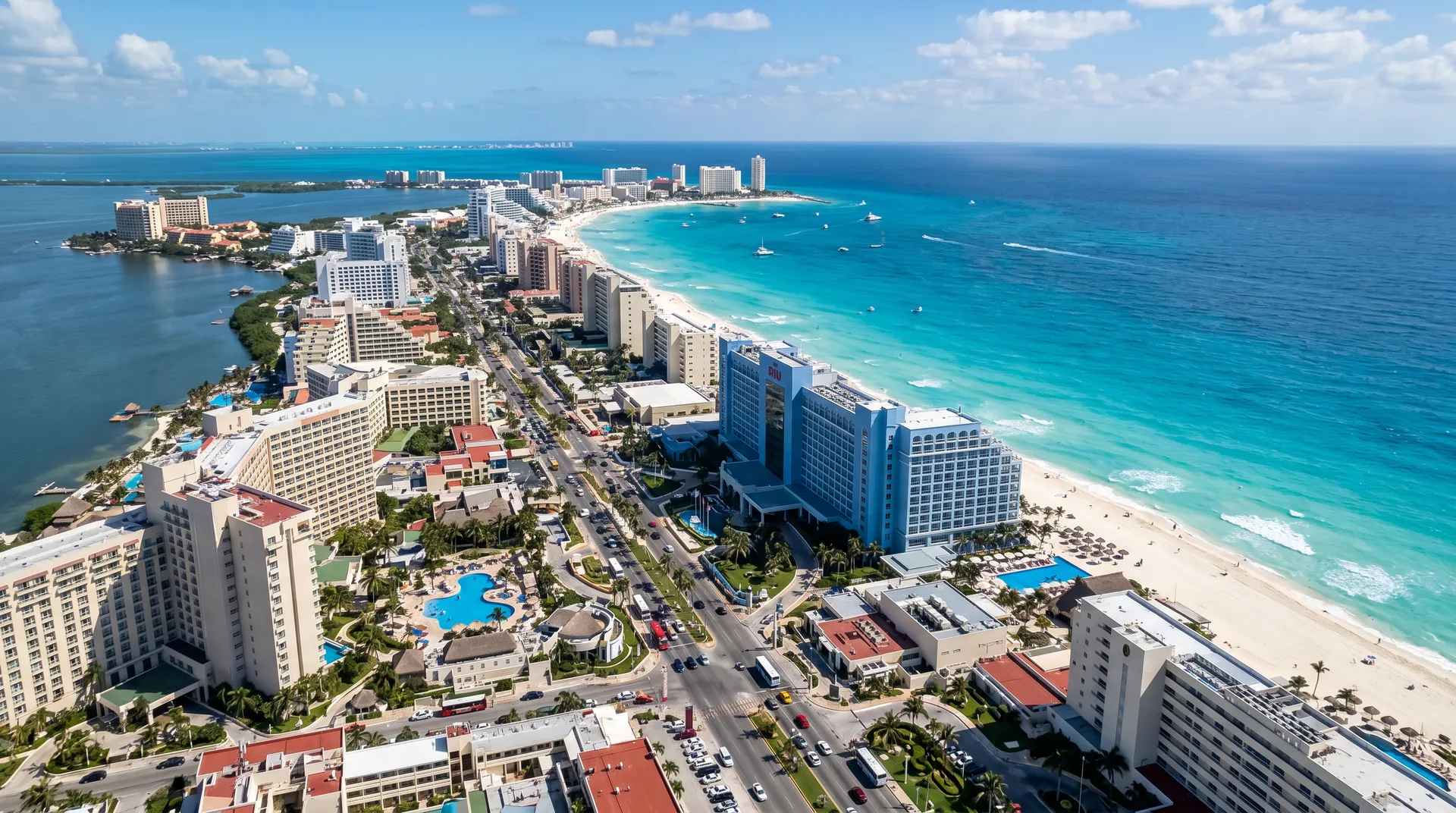
Cancún serves as a strategic logistics hub for Mexico's Caribbean region, combining tourism infrastructure with growing industrial capabilities. Located in Quintana Roo, this coastal city provides access to both maritime shipping through its port facilities and air cargo services via Cancún International Airport. The region's logistics infrastructure supports the export of manufactured goods, agricultural products, and tourism-related merchandise to national and international markets.
The local economy thrives on tourism, but also includes significant manufacturing activity, particularly in electronics, textiles, and automotive components. Quintana Roo's Free Trade Zone status enhances its appeal for companies seeking efficient distribution points for Caribbean and Central American markets. The area's transportation network connects seamlessly with mainland Mexico, enabling reliable freight movement to central and northern industrial zones.
 Destination
Tijuana
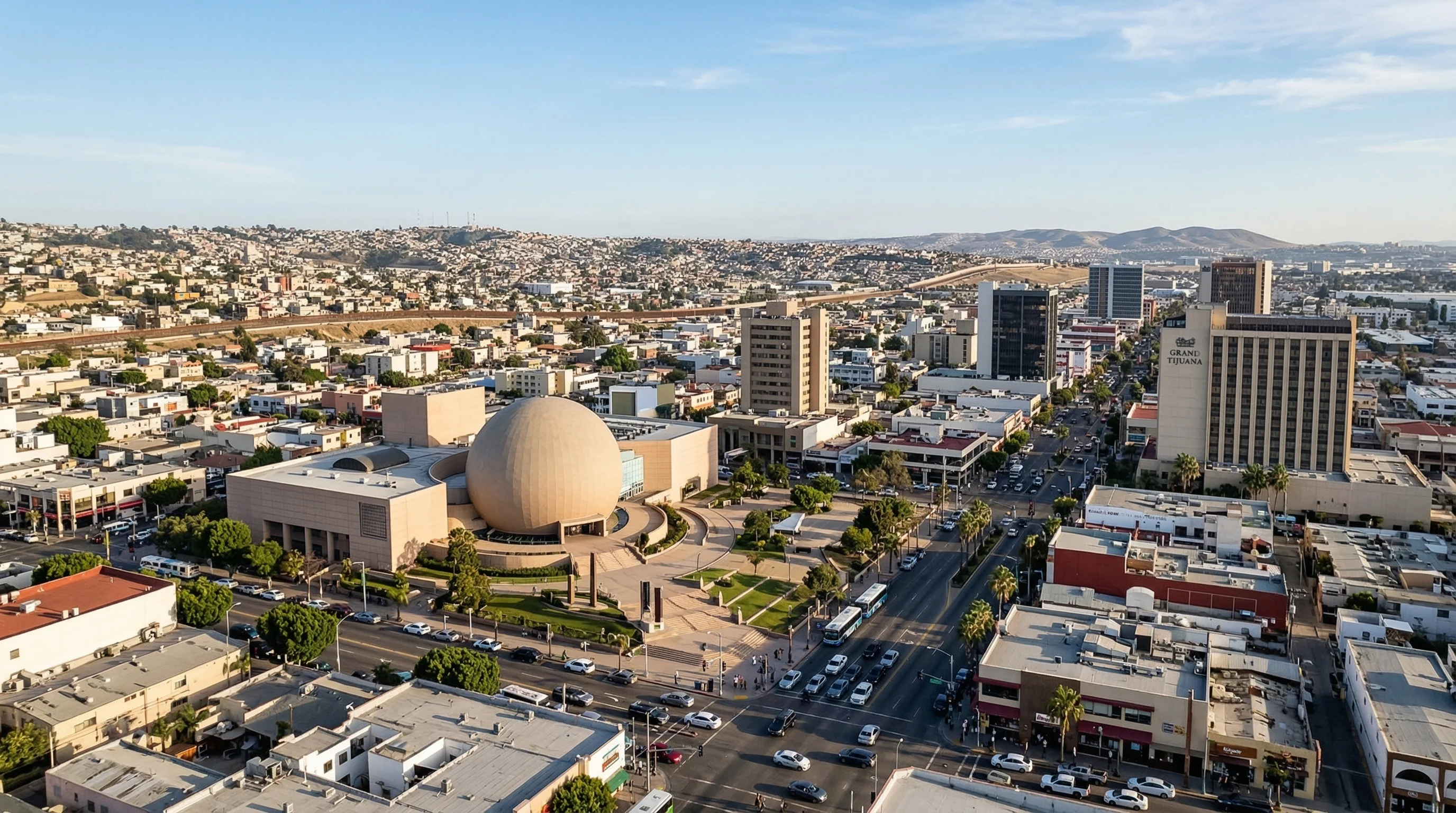
Tijuana stands as a critical logistics gateway on Mexico's Pacific coast, strategically positioned adjacent to the United States border. This Baja California city serves as a major entry point for international trade, with proximity to San Diego creating a binational economic zone. Tijuana's infrastructure includes the Mesa de Otay industrial park, multiple industrial parks, and the Otay Mesa border crossing, one of the busiest commercial ports of entry.
The region's economy centers on manufacturing, particularly in aerospace, medical devices, and electronics. Tijuana hosts numerous maquiladoras and export-oriented factories that require reliable inbound and outbound freight transportation. The city's location provides direct access to Pacific maritime shipping routes and serves as a distribution point for goods destined for the western United States and Asian markets.










