Cancún to Seattle
Seattle → CancúnFTL freight transportation service between Cancún and Seattle. Reliable logistics solutions for your business.
Route Description
Everything you need to know about the corridor Cancún - Seattle
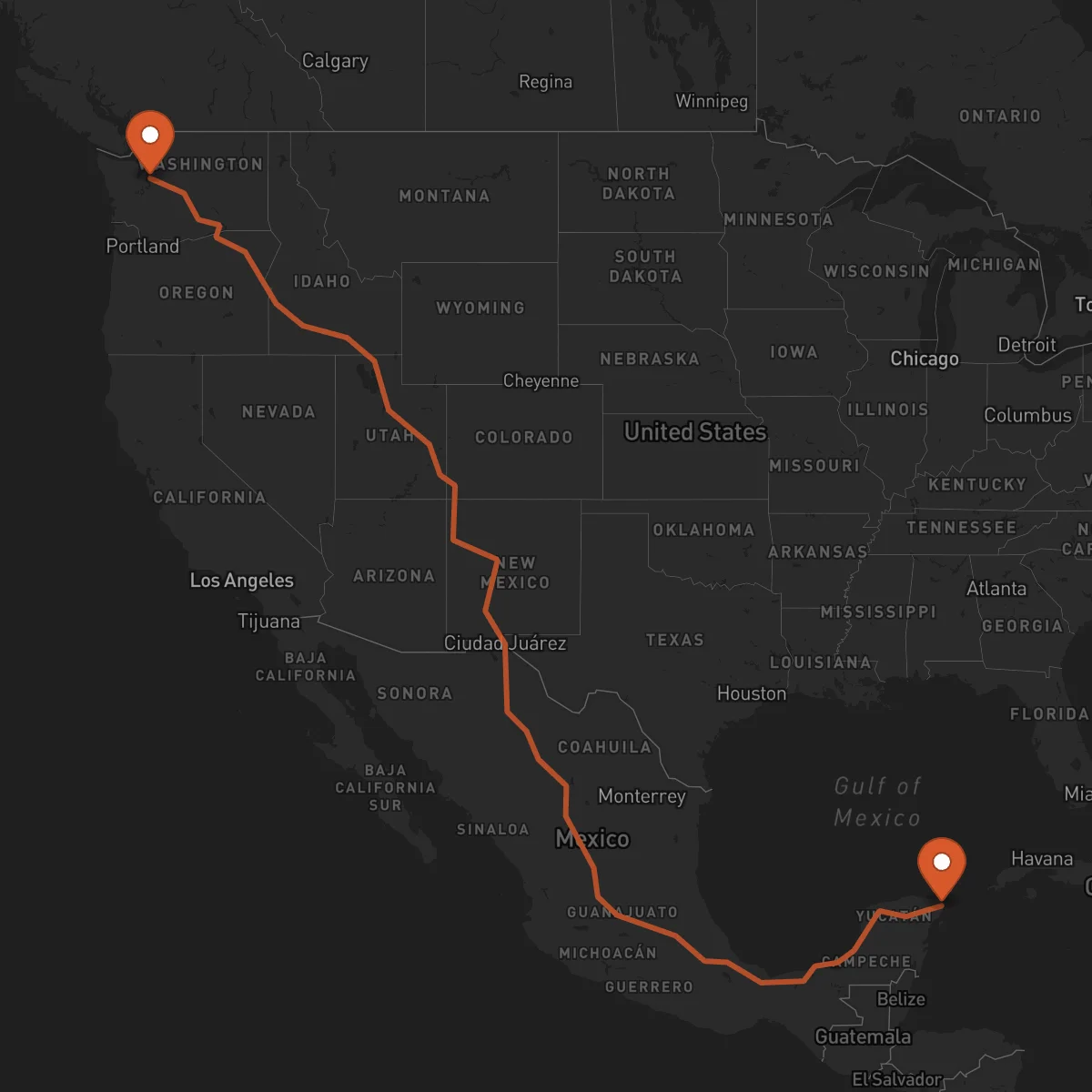
The Cancún-Seattle corridor represents a vital logistics connection between Mexico's Caribbean coast and the Pacific Northwest of the United States. This 4,322 km route traverses diverse landscapes and crosses multiple economic zones, making it a strategic artery for international trade. The corridor connects Cancún's growing industrial and tourism sectors with Seattle's major port facilities and technology-driven economy, facilitating the movement of goods between North America's key commercial regions.
The economic significance of this route is substantial, linking Quintana Roo's manufacturing and export industries with Washington State's aerospace, technology, and maritime sectors. Companies along this corridor benefit from access to both the Caribbean and Pacific trade routes, creating a unique advantage for businesses requiring multimodal transportation solutions. The route particularly serves industries such as automotive parts, electronics, perishable goods, and industrial equipment, which require reliable and temperature-controlled transportation options.
Transportation infrastructure along the Cancún-Seattle corridor includes major highways such as Mexico's Federal Highway 180 and the United States' I-5 corridor, providing efficient north-south connectivity. The route crosses key border points, including Laredo and other Texas-Mexico crossings, where Control Terrestre's C-TPAT and FAST-certified partners ensure smooth customs clearance and compliance. Our expertise in cross-border operations, combined with our network of specialized carriers, enables seamless freight movement from Cancún's industrial parks to Seattle's distribution centers and port facilities.
Services for this Route
Available services for the corridor Cancún - Seattle
 Origin
Cancún
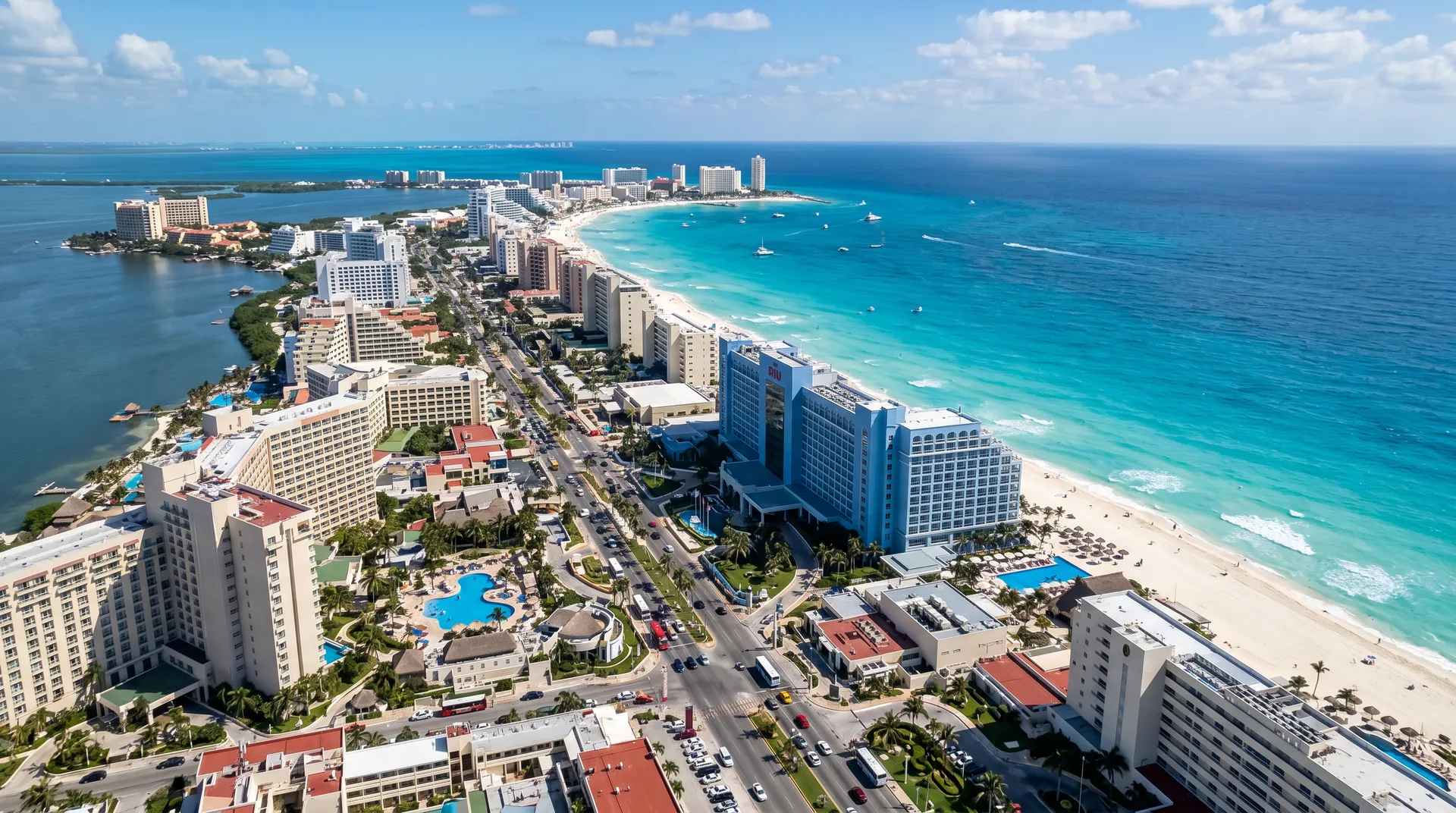
Cancún serves as a strategic logistics hub for southeastern Mexico, offering access to both domestic markets and international trade routes. Located in Quintana Roo, this coastal city provides excellent connectivity through its proximity to major ports and airports. The region's industrial parks and manufacturing facilities benefit from Cancún's position as a gateway to the Caribbean and Central American markets. The city's infrastructure includes modern highways connecting to the rest of Mexico's transportation network, making it an ideal origin point for cross-border freight operations.
 Destination
Seattle
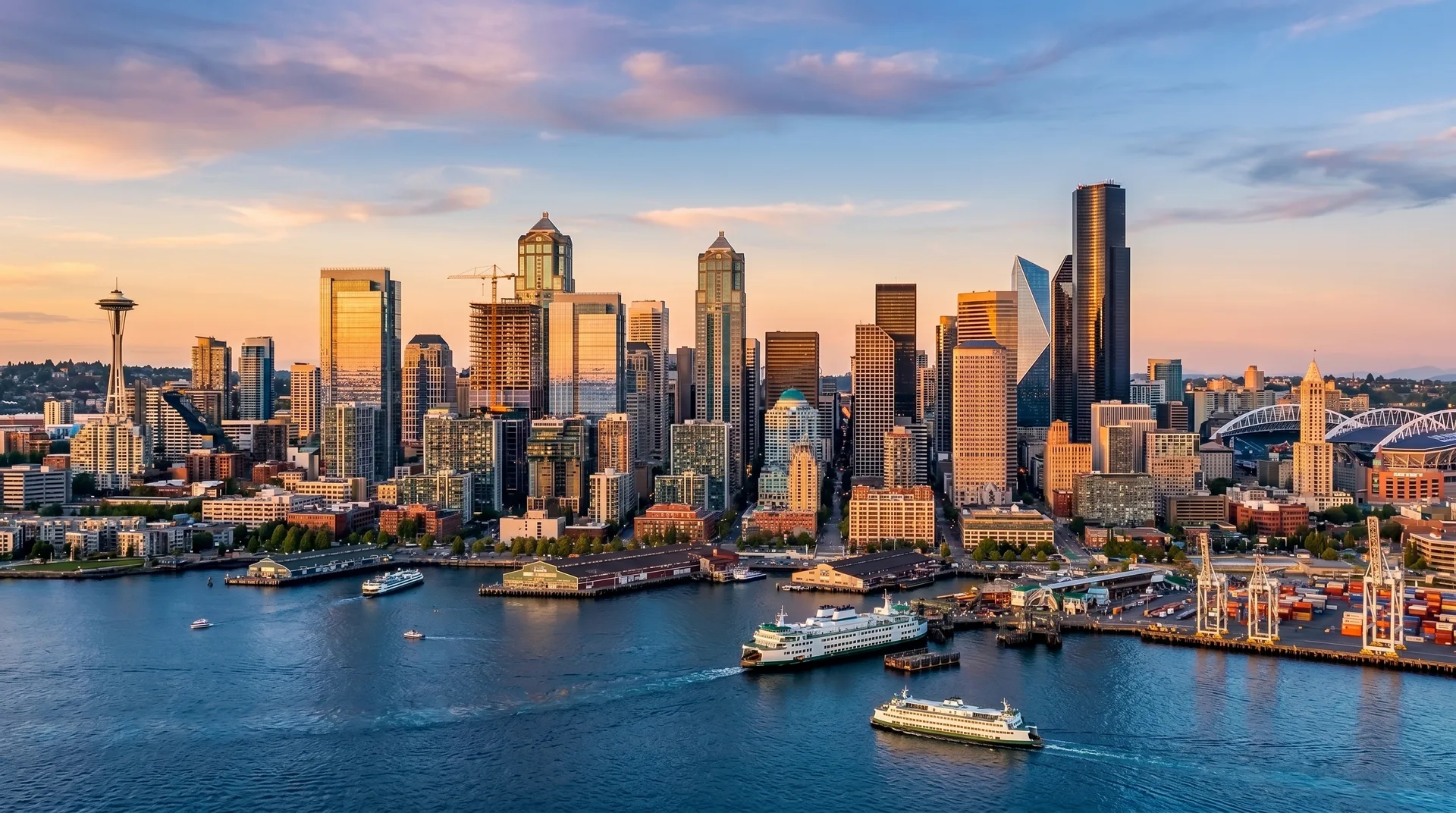
Seattle stands as a premier logistics destination on the West Coast, anchored by its world-class port facilities and strategic Pacific Rim connections. The city's location provides direct access to international shipping lanes and serves as a major distribution center for the Pacific Northwest region. Seattle's economy is driven by aerospace manufacturing, technology companies, and maritime industries, all of which require sophisticated logistics solutions. The metropolitan area offers extensive warehousing and distribution infrastructure, with excellent highway connectivity to other major U.S. markets through I-5 and I-90 corridors.










