Cancún to Cheyenne
Cheyenne → CancúnFTL freight transportation service between Cancún and Cheyenne. Reliable logistics solutions for your business.
Route Description
Everything you need to know about the corridor Cancún - Cheyenne
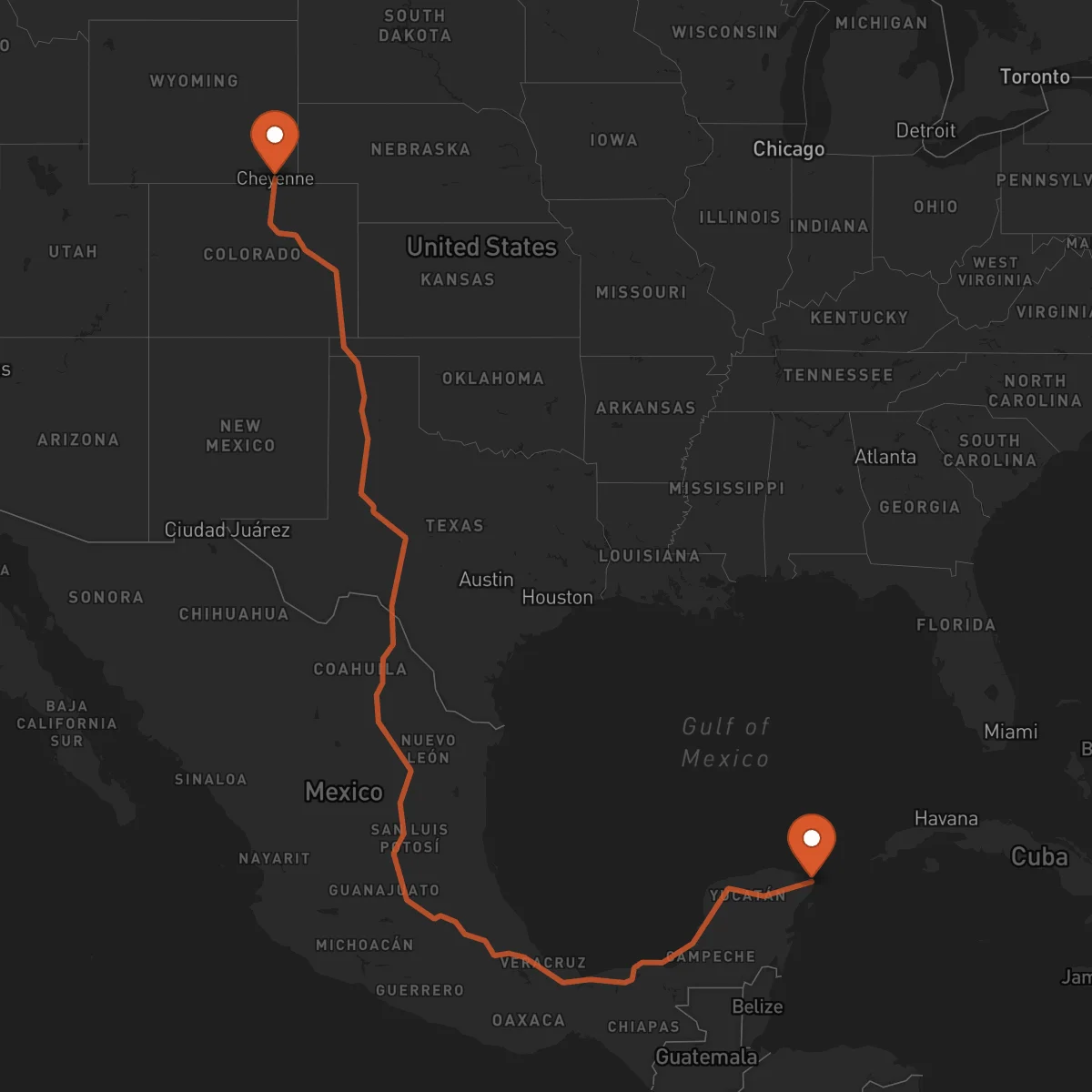
The logistics corridor between Cancún, Quintana Roo and Cheyenne, Wyoming represents a vital cross-border connection spanning approximately 2,791 kilometers. This route links Mexico's vibrant Caribbean tourism and manufacturing hub with Wyoming's energy-rich and agricultural heartland, creating essential supply chain opportunities for industries on both sides of the border. The corridor traverses key Mexican states including Quintana Roo, Yucatán, Campeche, Tabasco, Veracruz, and Tamaulipas before crossing into Texas and continuing through Colorado to reach Wyoming.
The economic significance of this corridor is substantial, connecting Cancún's growing aerospace, automotive, and electronics manufacturing sectors with Wyoming's mining, energy, and agricultural industries. Major transportation infrastructure includes Mexico's Federal Highway 180 and Highway 180D (toll road), connecting to U.S. Interstate 35 and I-70, providing efficient north-south and east-west connectivity. The corridor's primary border crossing at Laredo/Nuevo Laredo offers extensive customs facilities and processing capabilities, facilitating smooth cross-border operations.
Control Terrestre specializes in managing this complex cross-border corridor, offering dedicated FTL services that ensure cargo moves efficiently through customs and across diverse terrain. Our experienced team navigates regulatory requirements, provides real-time tracking, and coordinates seamless transitions between Mexican and U.S. transportation networks. With strategic partnerships at key border crossings and expertise in handling cross-border documentation, we enable businesses to maintain reliable supply chains between these strategic locations.
Services for this Route
Available services for the corridor Cancún - Cheyenne
 Origin
Cancún
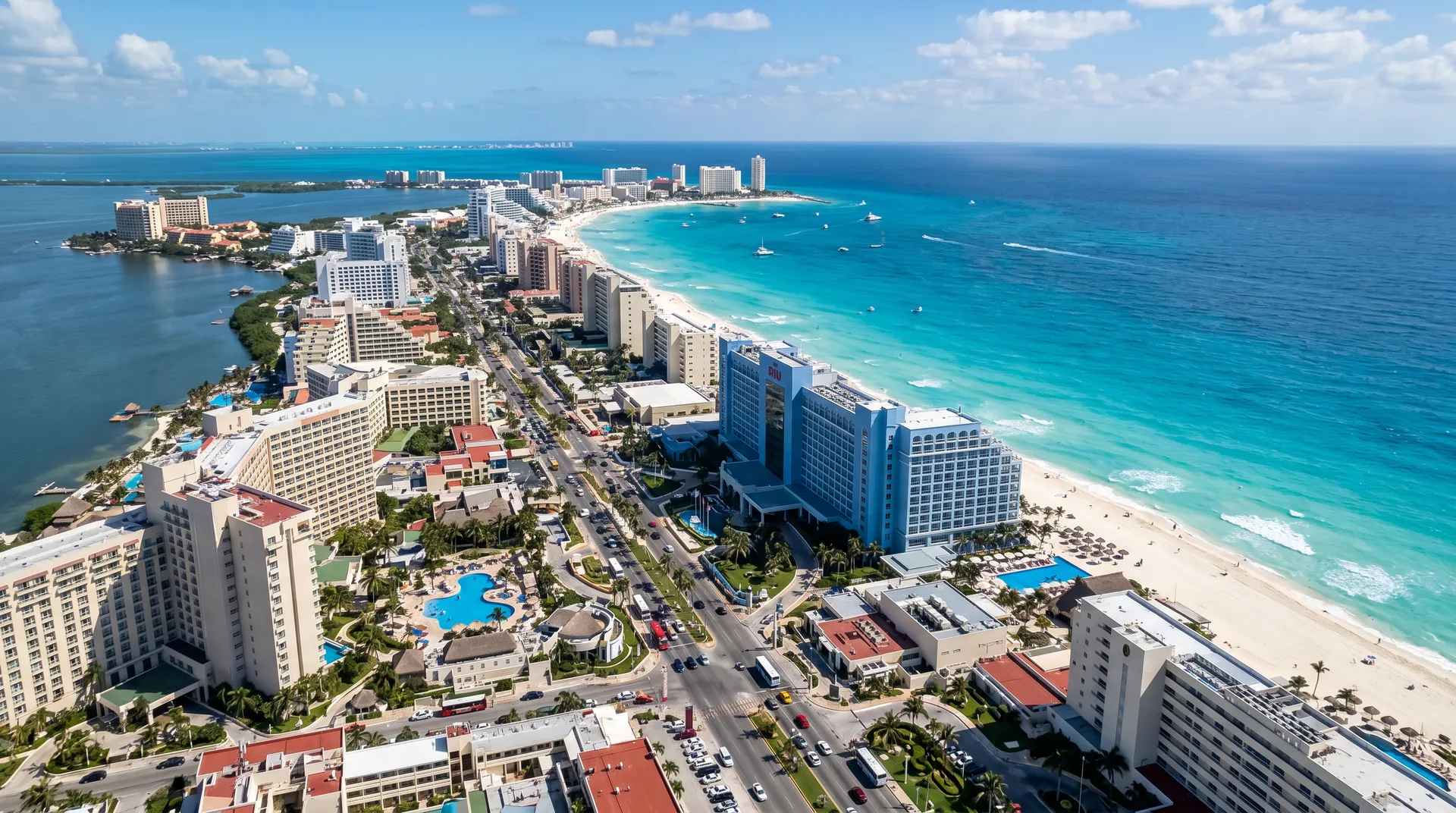
Cancún, located in Quintana Roo on Mexico's Caribbean coast, serves as a strategic logistics hub with its international airport and growing port infrastructure. The region has evolved beyond tourism to become a manufacturing center, particularly in aerospace, automotive components, and electronics. Quintana Roo's proximity to major industrial parks in the Yucatán Peninsula and its connectivity to the Gulf of Mexico ports make it ideal for export-oriented operations. The area benefits from modern highways connecting to Mérida, Villahermosa, and other industrial centers, supported by a skilled workforce and competitive operating costs.
 Destination
Cheyenne
Cheyenne, Wyoming's capital and largest city, occupies a strategic position in the American West with excellent connectivity to major markets across the Mountain and Midwest regions. The city serves as a logistics gateway for Wyoming's abundant natural resources, including coal, natural gas, and trona, as well as agricultural products from the surrounding plains. Cheyenne's infrastructure includes Interstate 80, a major east-west freight corridor, and its location provides access to Denver's metropolitan area within two hours. The region's logistics advantages include lower warehousing costs, proximity to energy production facilities, and a business-friendly environment that attracts manufacturing and distribution operations.










