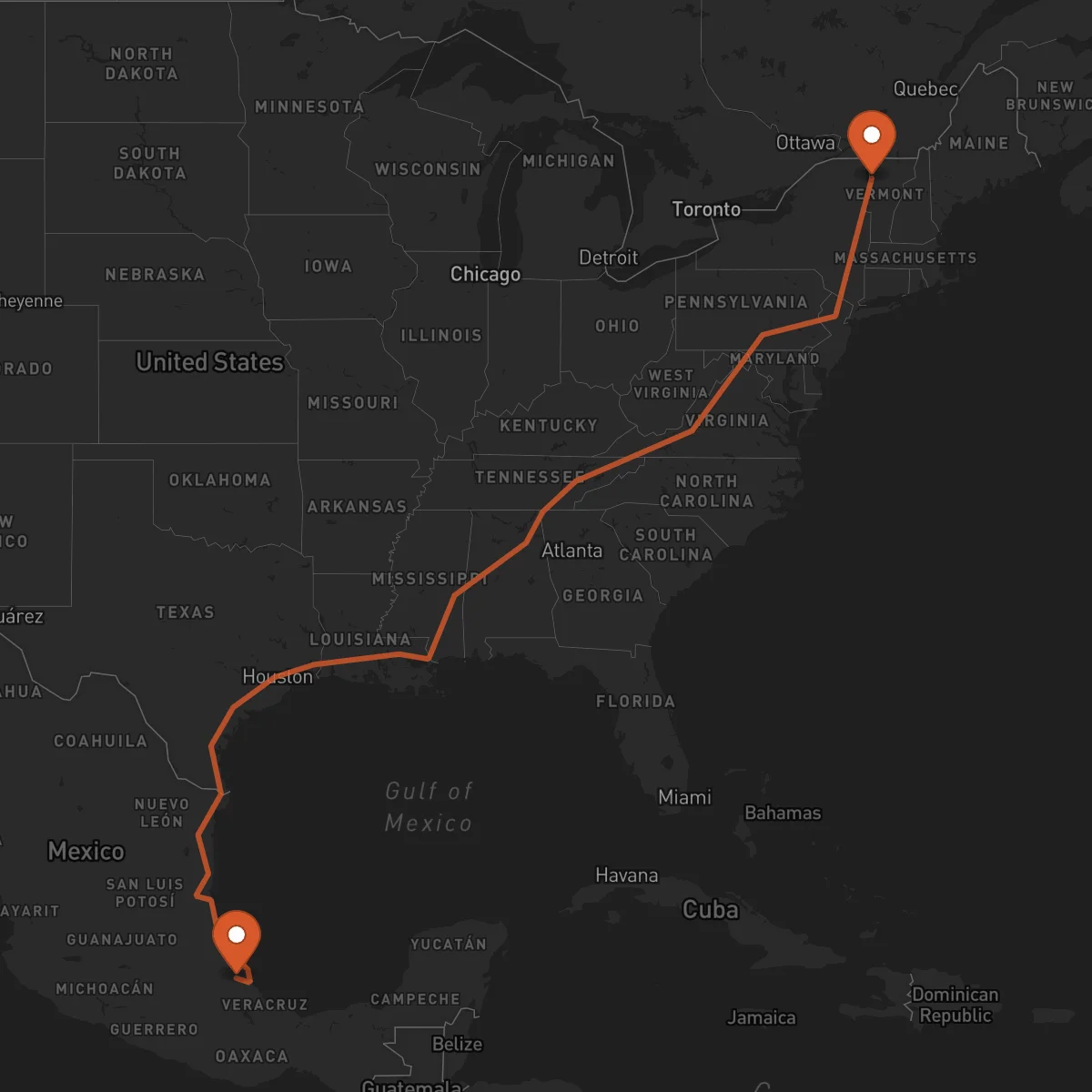
Burlington to Xalapa
Xalapa → BurlingtonFTL freight transportation service between Burlington and Xalapa. Reliable logistics solutions for your business.
Route Description
Everything you need to know about the corridor Burlington - Xalapa
The Burlington to Xalapa corridor represents a vital cross-border logistics connection between the northeastern United States and the Gulf of Mexico region in Mexico. This strategic route spans approximately 3,533 kilometers, traversing diverse landscapes and connecting two important economic regions. The corridor facilitates the movement of goods between Vermont's manufacturing and agricultural sectors and Veracruz's industrial and agricultural markets, creating essential supply chain links for both nations.
The Burlington area serves as a gateway for goods entering the North American logistics network, with its proximity to major Canadian trade routes and Atlantic ports. Xalapa, as the capital of Veracruz, stands as a crucial distribution center for southeastern Mexico, with its strategic location near the Port of Veracruz and major industrial zones. This corridor enables efficient transportation of goods between these regions, supporting cross-border trade and economic integration.
Key industries utilizing this corridor include agricultural products, manufacturing components, and consumer goods. The route primarily follows major highways including I-89, I-90, I-80, and Mexican Federal Highways, with critical border crossings at Laredo/Nuevo Laredo or El Paso/Juárez. Control Terrestre provides specialized cross-border transportation services along this corridor, ensuring compliance with customs regulations and offering reliable full truckload (FTL) solutions for businesses requiring secure and efficient freight movement between Vermont and Veracruz.
Services for this Route
Available services for the corridor Burlington - Xalapa
 Origin
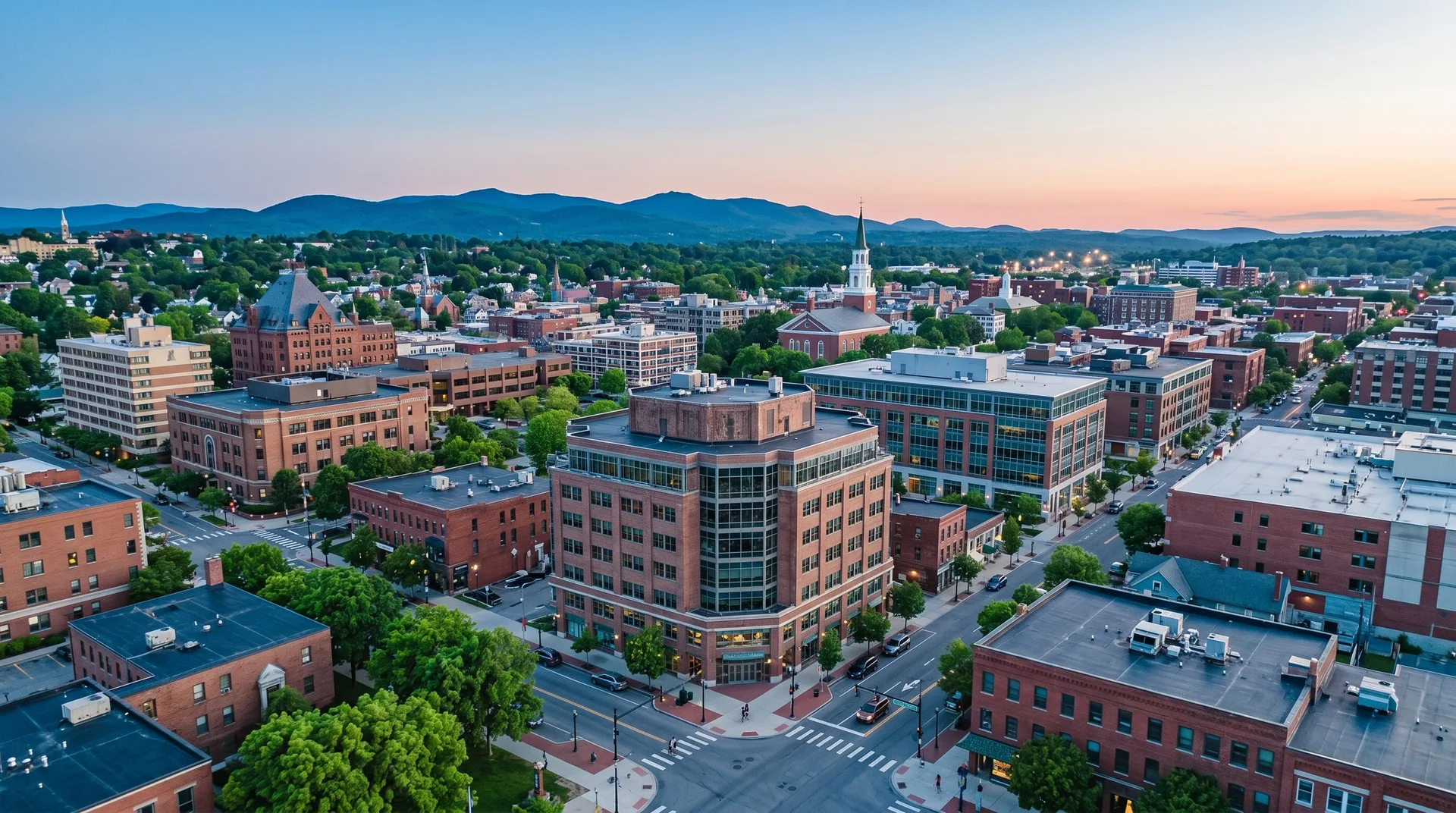
Burlington
Burlington, Vermont serves as a strategic logistics hub in the northeastern United States, situated on the eastern shore of Lake Champlain. The city's location provides excellent connectivity to major trade routes, including proximity to the Canadian border and access to the St. Lawrence Seaway through the lake system. Burlington's transportation infrastructure includes the Burlington International Airport, the Port of Burlington for maritime freight, and extensive highway connections via I-89, which links to the broader Interstate network.
The region's economy is characterized by diverse industries including manufacturing, particularly in precision instruments and electronics, as well as a strong agricultural sector producing dairy products, maple syrup, and specialty foods. The presence of the University of Vermont and growing technology sector also contribute to the demand for logistics services. Burlington's strategic position makes it an ideal origin point for cross-border freight movements, offering companies reliable access to both Canadian and Mexican markets through well-established transportation corridors.
 Destination
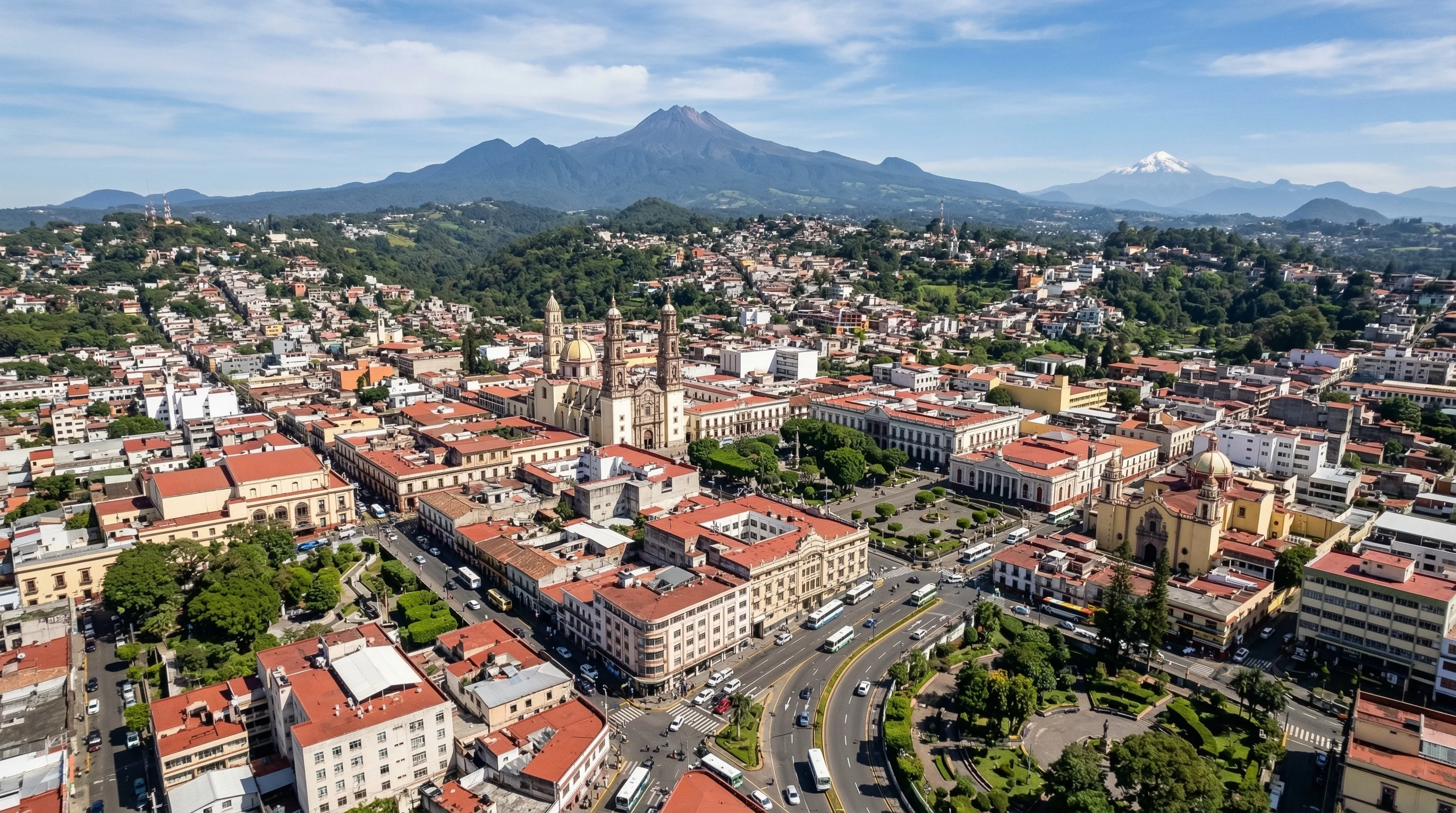
Xalapa, the capital city of Veracruz, Mexico, occupies a strategic position in the Gulf of Mexico region, serving as a crucial logistics and distribution center. Located in the central highlands of Veracruz, Xalapa provides access to both the Port of Veracruz and the major industrial zones of central Mexico. The city is well-connected through Mexican Federal Highway 140 and other major routes, facilitating efficient distribution throughout the country and to international markets.
The Veracruz region is one of Mexico's most important economic areas, with key industries including automotive manufacturing, food processing, agriculture, and petroleum-related industries. Xalapa benefits from its proximity to Coatepec and Xico, major coffee-producing regions, as well as its role as an educational and cultural center with several universities. The area's infrastructure includes the El Lencero Airport and robust ground transportation networks that connect to major ports and border crossings, making it an ideal destination for cross-border freight operations and a gateway to southern and central Mexican markets.










