Burlington to Tampico
Tampico → BurlingtonFTL freight transportation service between Burlington and Tampico. Reliable logistics solutions for your business.
Route Description
Everything you need to know about the corridor Burlington - Tampico
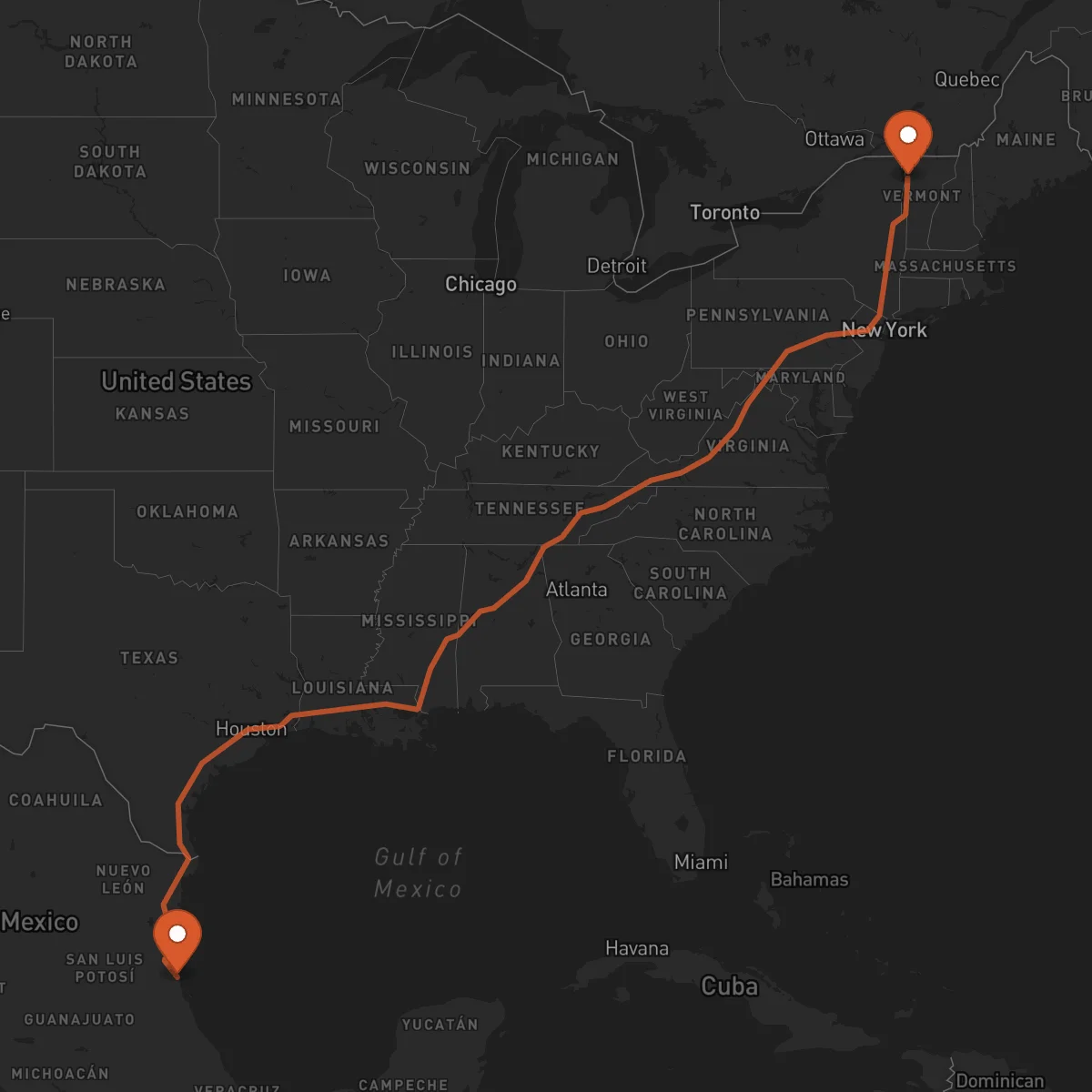
The Burlington to Tampico corridor represents a vital cross-border logistics connection linking the northeastern United States with Mexico's strategic Gulf Coast. This 3,345 km route traverses diverse economic regions, connecting Vermont's manufacturing and agricultural sectors with Tamaulipas' industrial and port activities. The corridor primarily utilizes Interstate 89, I-93, and I-95 through the United States before transitioning to Mexican Federal Highway 85D, facilitating efficient freight movement between both nations.
This logistics corridor serves critical industries including automotive components, agricultural products, industrial machinery, and consumer goods. The route's significance is amplified by Burlington's proximity to major Canadian markets and Tampico's role as a key port city with access to both maritime shipping and inland distribution networks. The cross-border nature of this corridor requires expertise in customs procedures, documentation, and regulatory compliance between the USMCA framework and Mexican trade regulations.
Control Terrestre specializes in managing this complex cross-border operation, providing dedicated full truckload services that ensure cargo security and transit efficiency. Our C-TPAT certified carriers and experienced logistics team navigate the border crossing procedures seamlessly, whether through Laredo/Nuevo Laredo or other strategic points. We understand the specific requirements for temperature-controlled shipments, hazardous materials handling, and time-sensitive deliveries that characterize this important trade route between Vermont and Tamaulipas.
Services for this Route
Available services for the corridor Burlington - Tampico
 Origin
Burlington
Burlington, Vermont serves as a strategic logistics hub in the northeastern United States, positioned along Lake Champlain with excellent connectivity to major markets in New England and eastern Canada. The city's location provides access to Interstate 89 and proximity to Montreal, making it an ideal origin point for cross-border freight movements. Burlington's economy features strong agricultural production, particularly dairy and specialty foods, alongside growing technology and manufacturing sectors that require reliable transportation solutions.
The region benefits from multiple transportation infrastructure options including Burlington International Airport for air freight connections and the Port of Burlington for occasional barge shipments on Lake Champlain. The city's industrial parks and warehouse facilities support efficient cargo consolidation and distribution operations. Burlington's commitment to sustainable logistics practices aligns with Control Terrestre's focus on environmentally responsible transportation solutions, making it an ideal partner for companies seeking green supply chain options in the northeastern US market.
 Destination
Tampico
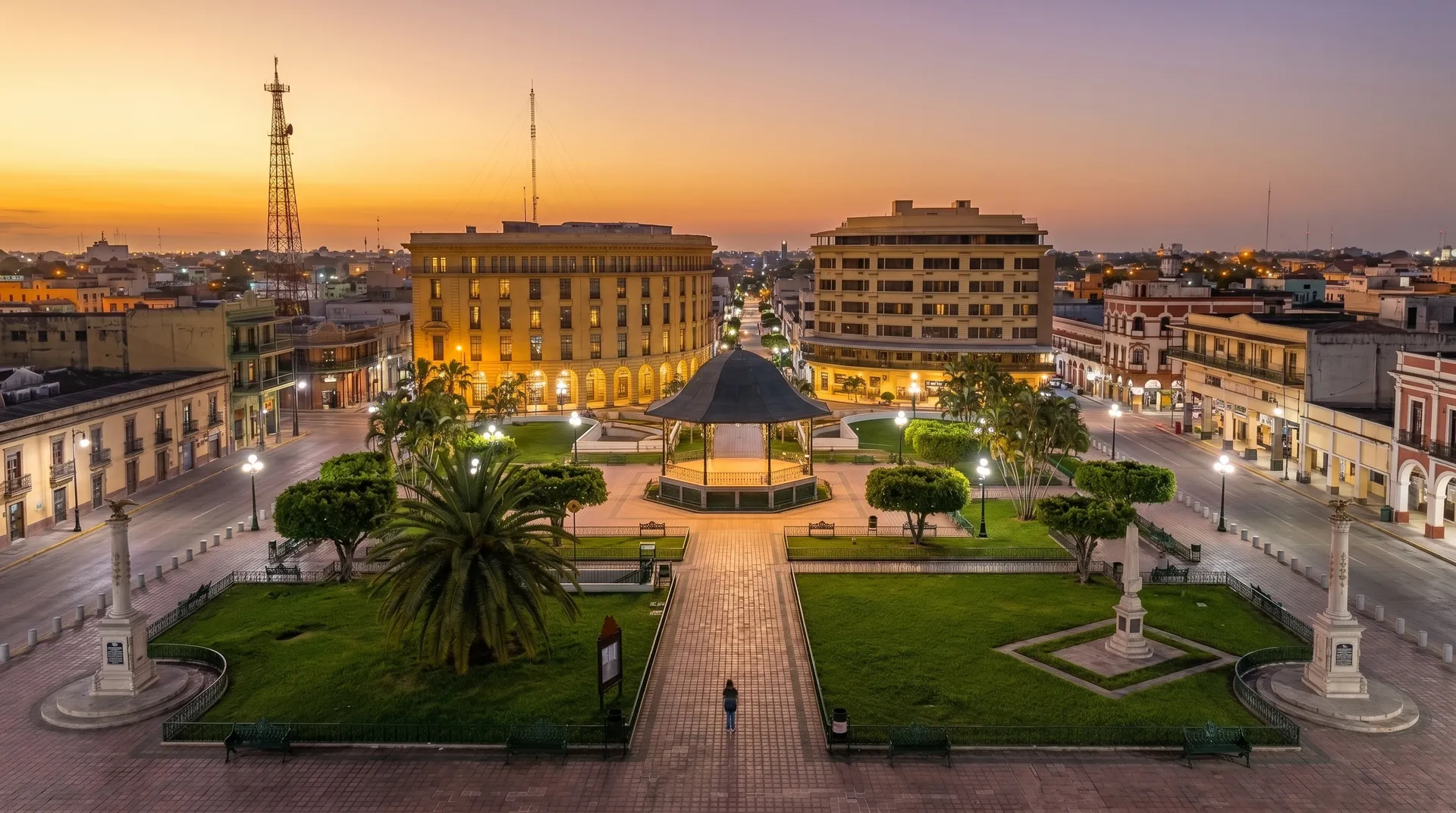
Tampico, Tamaulipas represents a critical logistics gateway on Mexico's Gulf Coast, serving as a major port city with deep-water capabilities and extensive industrial infrastructure. The city's strategic location provides direct access to the Gulf of Mexico, facilitating international maritime trade while its proximity to the US-Mexico border enables efficient cross-border distribution. Tampico's economy is anchored by the petroleum industry, chemical manufacturing, and agricultural processing, creating consistent demand for reliable freight transportation services.
The region features modern transportation infrastructure including the Port of Tampico, which handles diverse cargo types from bulk commodities to containerized freight. Federal Highway 85D connects Tampico directly to the US border, while the city's industrial parks and logistics zones support efficient cargo handling and storage. Tampico's role as a distribution center for northeastern Mexico and its connections to inland cities like Monterrey make it a strategic destination for companies seeking to establish or expand their presence in the Mexican market through reliable cross-border logistics solutions.










