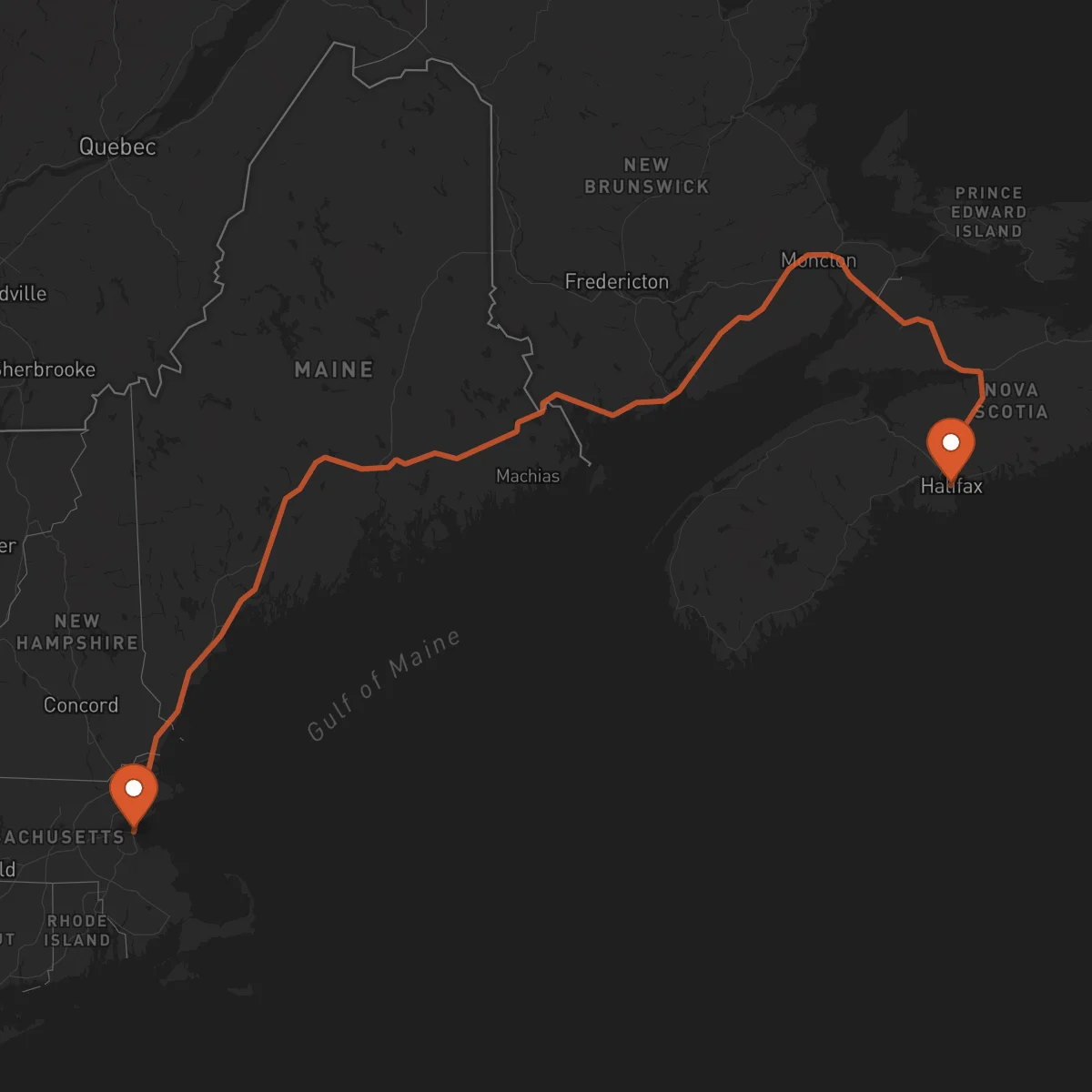
Boston to Halifax
Halifax → BostonFTL freight transportation service between Boston and Halifax. Reliable logistics solutions for your business.
Route Description
Everything you need to know about the corridor Boston - Halifax
The Boston-Halifax corridor represents a vital trade link between the United States and Canada, connecting one of New England's most important economic hubs with Atlantic Canada's premier port city. This cross-border route spans approximately 654 kilometers and serves as a critical artery for North American commerce, facilitating the movement of goods between major industrial centers and international shipping gateways.
The economic significance of this corridor extends beyond simple transportation, encompassing a complex network of industries including manufacturing, technology, healthcare, and maritime commerce. Boston's position as a leading educational and innovation center, combined with Halifax's status as a major Atlantic port, creates a complementary economic relationship that drives substantial freight volume along this route. The corridor benefits from Boston's access to major East Coast markets and Halifax's direct connections to European and global shipping lanes.
Transportation infrastructure along the Boston-Halifax corridor includes major highways such as I-95 and I-93 in the United States, transitioning to Canadian routes including Highway 102 and the Trans-Canada Highway. The primary border crossing at Calais-St. Stephen provides efficient processing for commercial vehicles, while both cities offer extensive intermodal connections including rail and port facilities. Control Terrestre's expertise in cross-border operations ensures seamless freight movement through customs procedures, regulatory compliance, and coordinated logistics planning between both countries.
Services for this Route
Available services for the corridor Boston - Halifax
 Origin
Boston
Boston serves as a strategic gateway for freight transportation in the northeastern United States, offering unparalleled access to major East Coast markets and international shipping routes. The city's location provides direct connections to New York, Philadelphia, and Washington D.C., while its extensive port facilities and international airport facilitate global trade. Boston's robust infrastructure includes multiple interstate highways, a comprehensive rail network, and advanced intermodal facilities that support efficient freight movement throughout the region.
The Boston metropolitan area hosts a diverse range of industries including biotechnology, healthcare, education, finance, and advanced manufacturing. This economic diversity generates substantial freight demand across various cargo types, from specialized medical equipment to high-tech components and consumer goods. The presence of numerous universities and research institutions further enhances Boston's role as a hub for specialized freight transportation requiring careful handling and timely delivery.
 Destination
Halifax
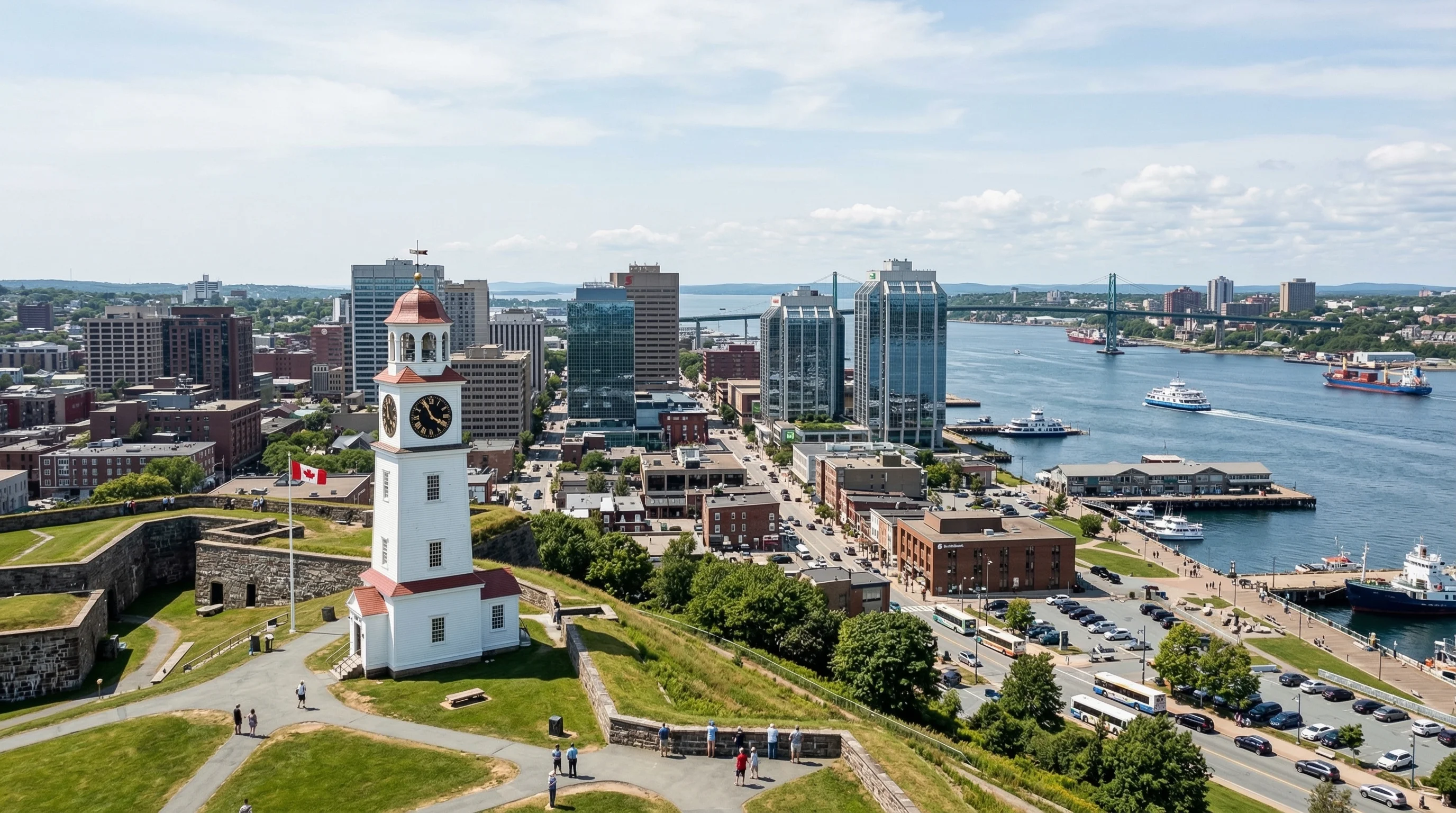
Halifax stands as Atlantic Canada's premier logistics hub, strategically positioned to serve as a gateway between North American markets and international shipping lanes. The Port of Halifax, one of the deepest ice-free harbors in North America, provides year-round access to global trade routes and offers extensive container handling capabilities, making it a crucial node in international supply chains. The city's comprehensive transportation infrastructure includes major highways, rail connections, and modern warehousing facilities that support efficient freight distribution throughout the Maritime provinces.
The Halifax region's economy encompasses key industries such as maritime services, aerospace, defense, information technology, and seafood processing. These sectors generate diverse freight requirements, from temperature-controlled seafood shipments to specialized industrial equipment and high-value technology products. Halifax's position as a regional distribution center, combined with its proximity to major Atlantic ports, makes it an essential destination for freight transportation along the Boston-Halifax corridor.










