
Boaco to Houston
Houston → BoacoFTL freight transportation service between Boaco and Houston. Reliable logistics solutions for your business.
Route Description
Everything you need to know about the corridor Boaco - Houston
The logistics corridor connecting Boaco, Nicaragua to Houston, Texas represents a vital trade route linking Central America with one of the United States' most important industrial and commercial hubs. This cross-border corridor spans approximately 2,168 kilometers and serves as a crucial artery for international trade between Nicaragua and the United States. The route facilitates the movement of diverse cargo types, from agricultural products and manufactured goods to industrial equipment and consumer products. Control Terrestre specializes in managing this corridor efficiently, ensuring seamless cross-border operations through our network of certified transportation providers and strategic partnerships at key border crossings.
Services for this Route
Available services for the corridor Boaco - Houston
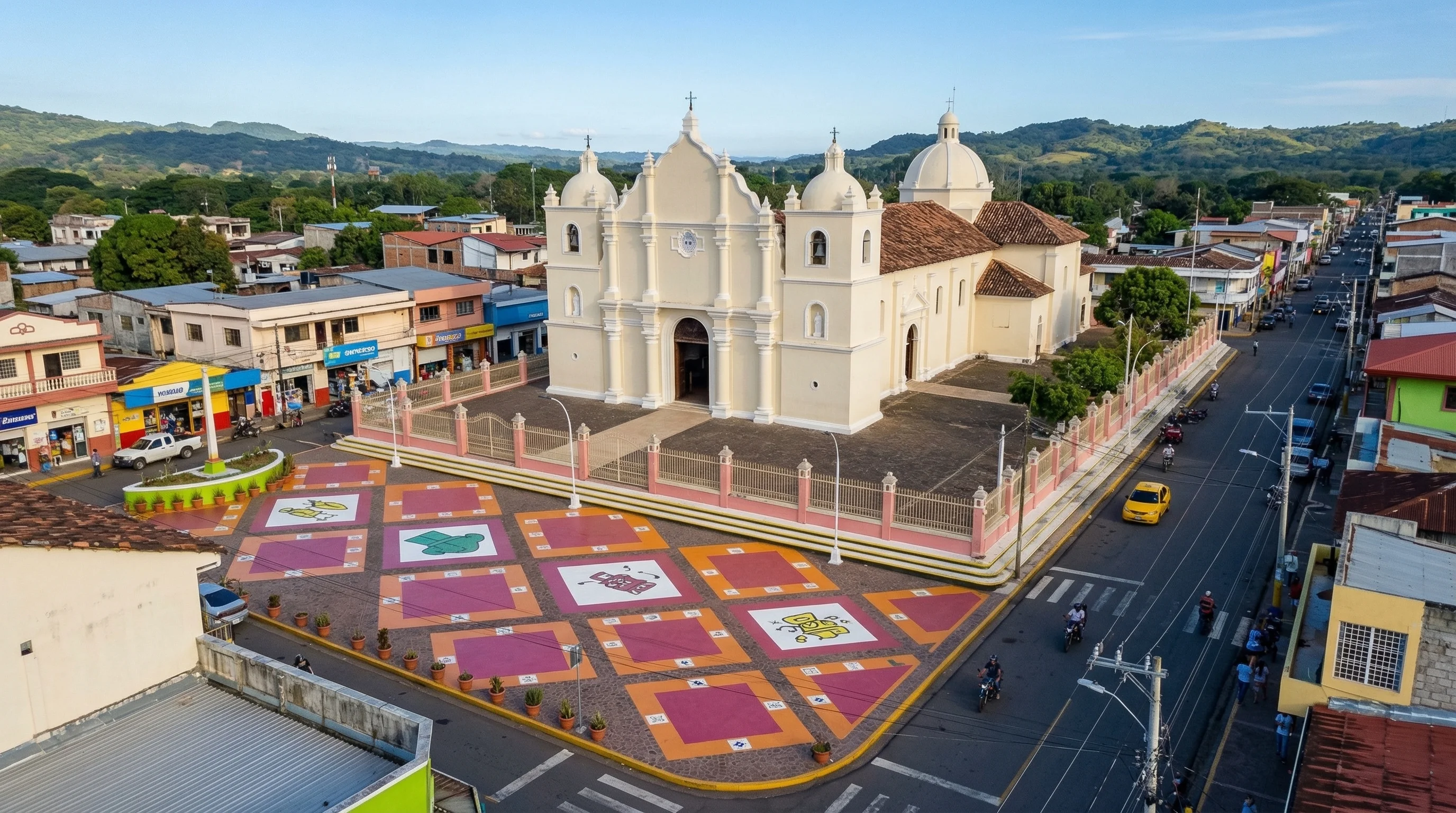 Origin
Boaco, located in central Nicaragua, serves as a strategic logistics hub for the country's agricultural and manufacturing sectors. The region is known for its production of dairy products, beef, and various agricultural commodities that frequently move through this corridor. Boaco's location provides access to Nicaragua's highway network, connecting to the Pan-American Highway and facilitating movement toward the northern border with Honduras. The city's developing infrastructure includes warehousing facilities and distribution centers that support both domestic distribution and international export operations.
 Destination
Houston
Houston, Texas stands as one of America's most significant logistics and industrial centers, featuring the Port of Houston - one of the busiest ports in the United States. The city's strategic location provides access to major interstate highways (I-10, I-45, I-69) and extensive rail networks. Houston's diverse economy encompasses energy, manufacturing, healthcare, and technology sectors, creating substantial demand for freight transportation services. The metropolitan area's advanced logistics infrastructure includes multiple intermodal facilities, warehousing complexes, and distribution centers that efficiently handle international cargo flows.










