Bismarck to Cheyenne
Cheyenne → BismarckFTL freight transportation service between Bismarck and Cheyenne. Reliable logistics solutions for your business.
Route Description
Everything you need to know about the corridor Bismarck - Cheyenne
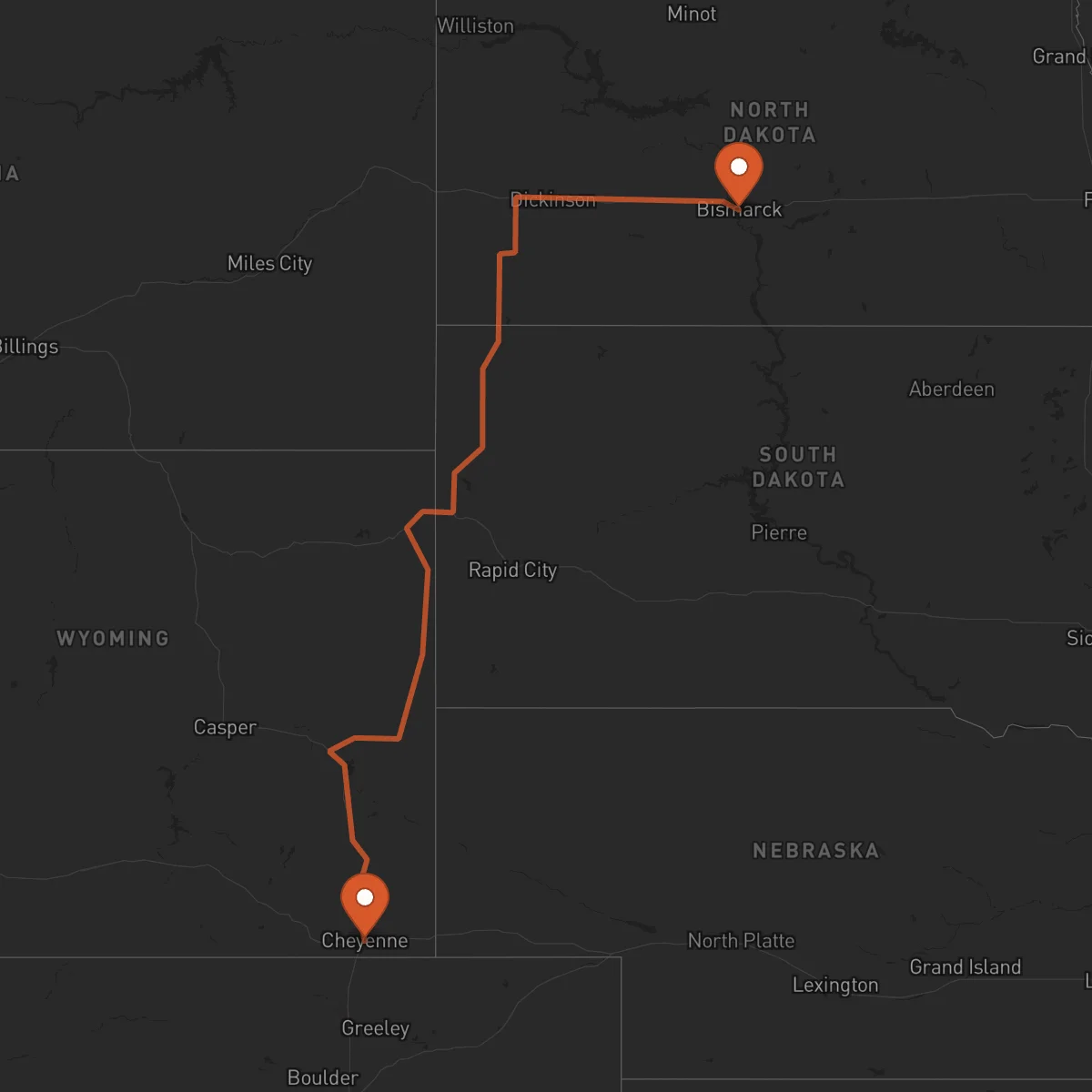
The Bismarck to Cheyenne corridor represents a vital domestic freight route connecting North Dakota to Wyoming across the northern Great Plains. This approximately 708 km transportation link serves as a critical artery for moving goods between the upper Midwest and the Rocky Mountain region, supporting both regional and cross-country supply chains. The corridor facilitates the movement of diverse cargo types, from agricultural products and industrial equipment to retail goods and raw materials, making it essential for businesses operating across these states.
The economic significance of this route stems from the complementary industrial profiles of both regions. North Dakota's strong agricultural sector, energy production, and manufacturing capabilities create outbound freight opportunities, while Cheyenne's strategic position as a distribution hub and its own industrial base generates inbound and transshipment demand. The corridor benefits from relatively flat terrain and minimal elevation changes, allowing for efficient transportation and predictable transit times for full truckload shipments.
Key transportation infrastructure along this route includes major highways such as I-94 and I-25, which provide reliable access between the two cities. These well-maintained interstate highways support consistent freight movement throughout the year, even during challenging weather conditions that can affect other regions. The route passes through several important commercial centers and industrial zones, creating additional logistics opportunities along the way.
Control Terrestre specializes in optimizing freight transportation along this corridor through our extensive network of certified carriers and strategic partnerships. Our expertise in full truckload (FTL) services ensures that your cargo moves efficiently from Bismarck to Cheyenne, with dedicated equipment options including dry vans, refrigerated units, and specialized trailers to meet your specific shipping requirements. We provide end-to-end logistics solutions that maintain the integrity of your supply chain while offering the flexibility and reliability that modern businesses demand.
Services for this Route
Available services for the corridor Bismarck - Cheyenne
 Origin
Bismarck
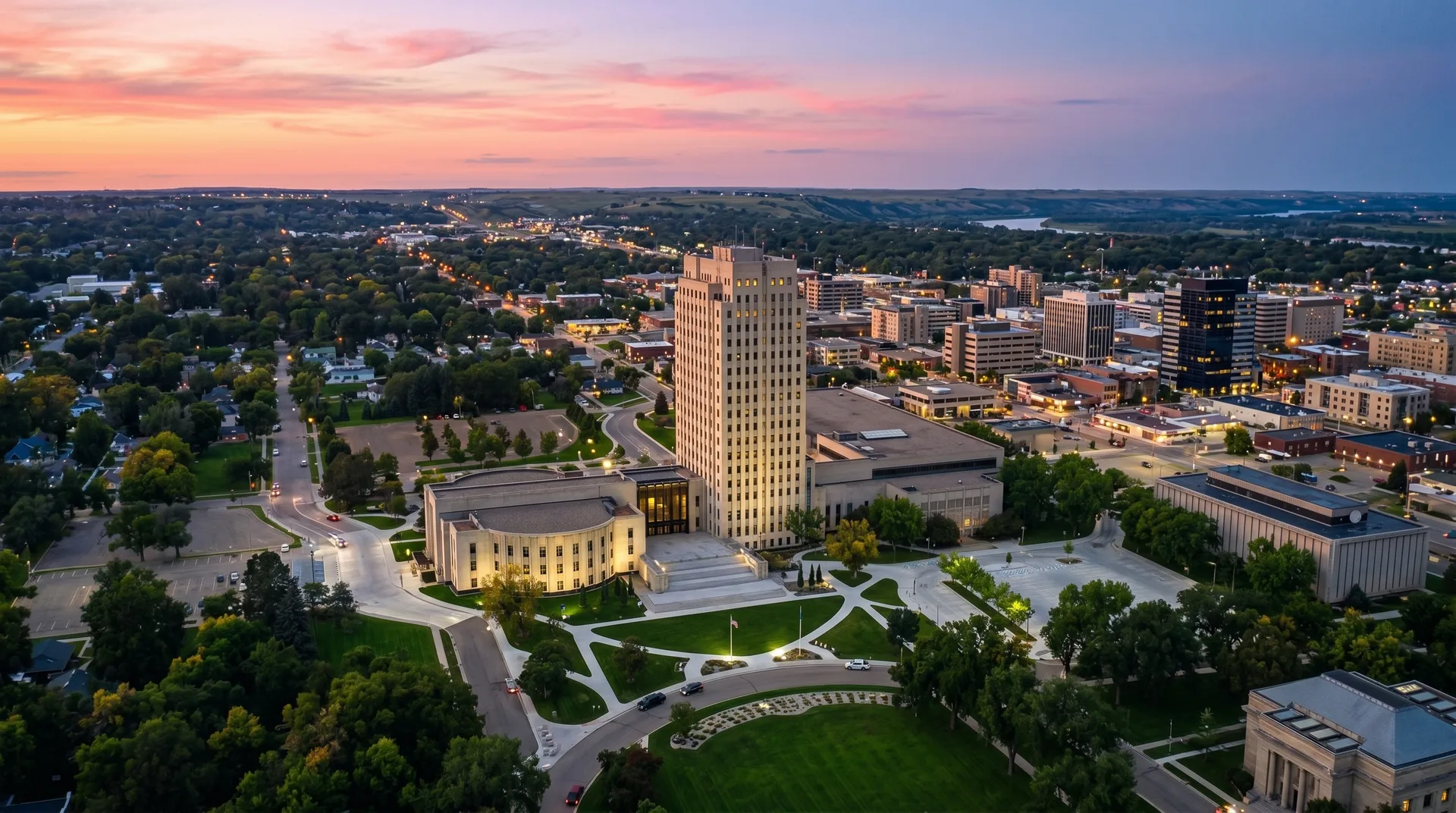
Bismarck, the capital city of North Dakota, serves as a strategic logistics hub for the northern Great Plains region. Located along the Missouri River, Bismarck benefits from its position at the intersection of major transportation routes, including I-94, which connects the city to both Minneapolis and Billings. The city's central location within North Dakota makes it an ideal origin point for statewide distribution and outbound freight to neighboring regions. Bismarck's transportation infrastructure includes the Bismarck Municipal Airport, BNSF Railway connections, and well-developed road networks that support efficient cargo movement.
The local economy is driven by government services, healthcare, retail, and energy sectors, with agriculture playing a significant role in the surrounding areas. North Dakota's strong agricultural production, including wheat, soybeans, and other crops, creates substantial freight opportunities from Bismarck. The city also serves as a distribution center for energy-related equipment and supplies, given North Dakota's prominence in oil and natural gas production. Manufacturing facilities in the region produce machinery, transportation equipment, and processed food products, all of which contribute to the outbound freight volume from this strategic location.
 Destination
Cheyenne
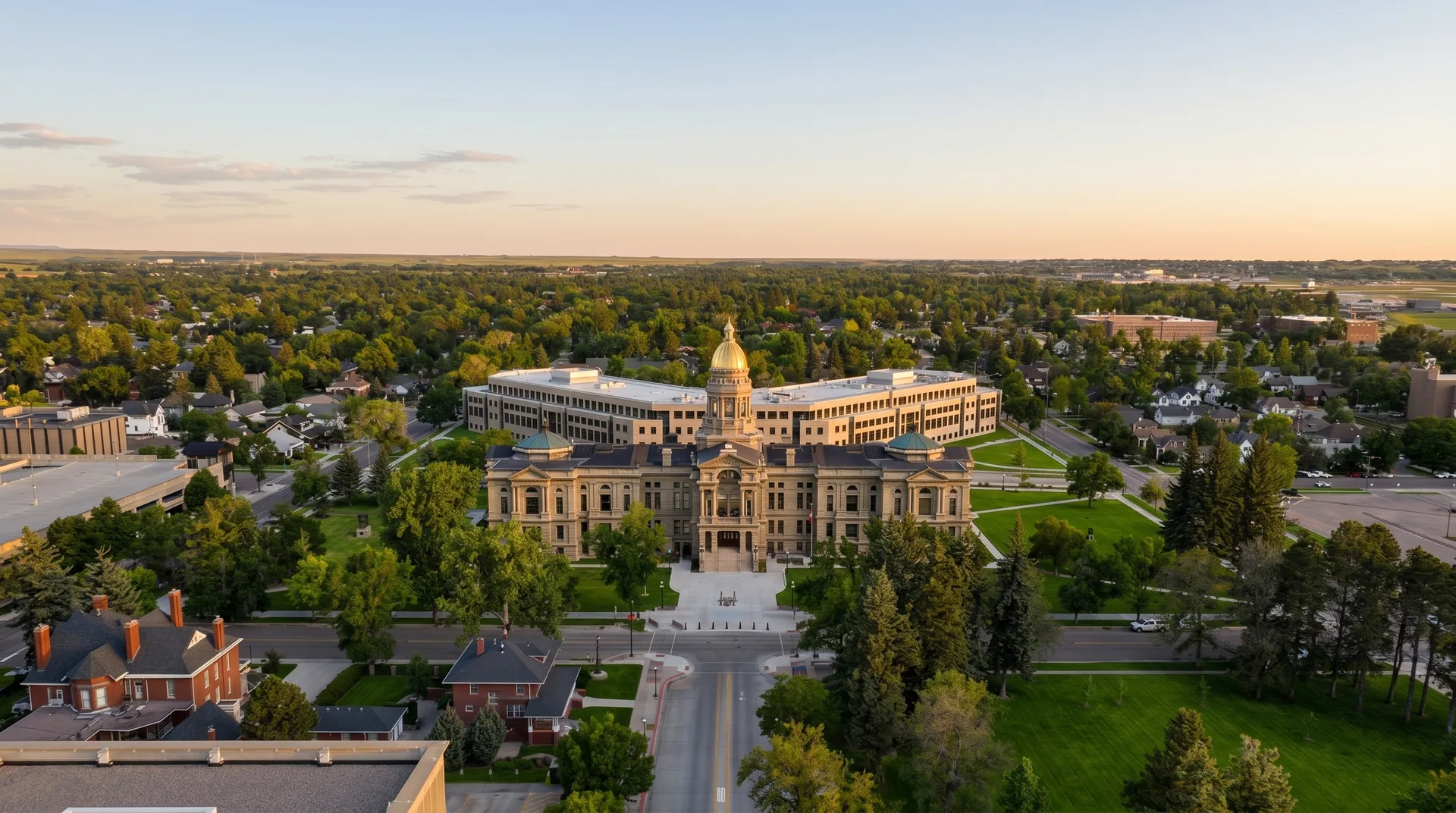
Cheyenne, Wyoming's capital and largest city, occupies a strategic position as a logistics gateway to the Rocky Mountain region. Located at the intersection of I-25 and I-80, Cheyenne provides direct access to major markets across the western United States. The city's elevation of 6,000 feet and location near the Colorado border make it a natural transshipment point for goods moving between the Midwest and the Pacific Coast. Cheyenne's transportation infrastructure includes the Cheyenne Regional Airport, extensive rail connections through Union Pacific, and its role as a key node in the national highway network.
The local economy benefits from government services, military installations including F.E. Warren Air Force Base, and a growing technology sector. Cheyenne's proximity to Denver and its status as a regional distribution center create substantial freight demand across multiple industries. The city serves as a hub for retail distribution, with major warehouses and fulfillment centers taking advantage of its central location and favorable business climate. Additionally, Cheyenne's role in supporting Wyoming's mining and energy sectors generates specialized freight needs for heavy equipment, industrial supplies, and materials handling.










