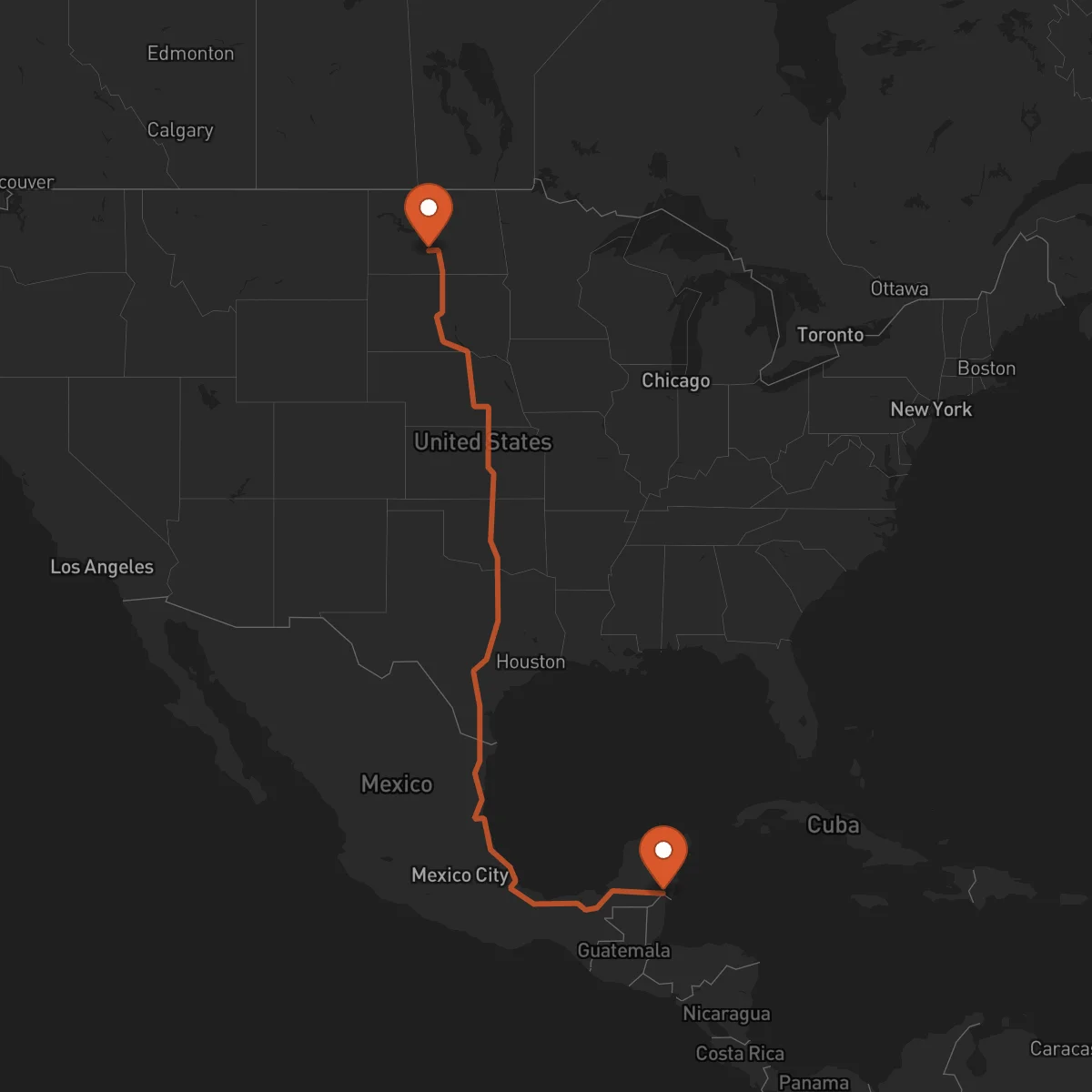
Bismarck to Chetumal
Chetumal → BismarckFTL freight transportation service between Bismarck and Chetumal. Reliable logistics solutions for your business.
Route Description
Everything you need to know about the corridor Bismarck - Chetumal
The Bismarck-Chetumal logistics corridor represents a vital connection between the industrial heartland of North Dakota and the growing economic hub of Mexico's Yucatán Peninsula. This 3,348 km cross-border route traverses diverse landscapes and connects key economic regions of both countries. The corridor serves as a critical link for industries requiring reliable freight transportation between the United States and Mexico, facilitating the movement of goods through major transportation networks and established border crossings.
This route primarily follows Interstate 29 south from Bismarck, connecting to major highways that lead to the Laredo-Nuevo Laredo border crossing, one of the busiest commercial ports of entry between the two nations. From there, the corridor continues through Mexico's federal highways to reach Chetumal, Quintana Roo. The route passes through significant industrial and agricultural regions, supporting the movement of various commodities including agricultural products, manufactured goods, and raw materials.
Control Terrestre specializes in managing cross-border freight operations along this corridor, providing comprehensive FTL (Full Truckload) services that ensure seamless transportation from origin to destination. Our expertise in handling customs procedures, documentation requirements, and regulatory compliance makes us the ideal partner for companies seeking reliable transportation between Bismarck and Chetumal. We maintain strategic partnerships with certified carriers and utilize advanced tracking systems to provide real-time visibility throughout the entire journey.
Services for this Route
Available services for the corridor Bismarck - Chetumal
 Origin
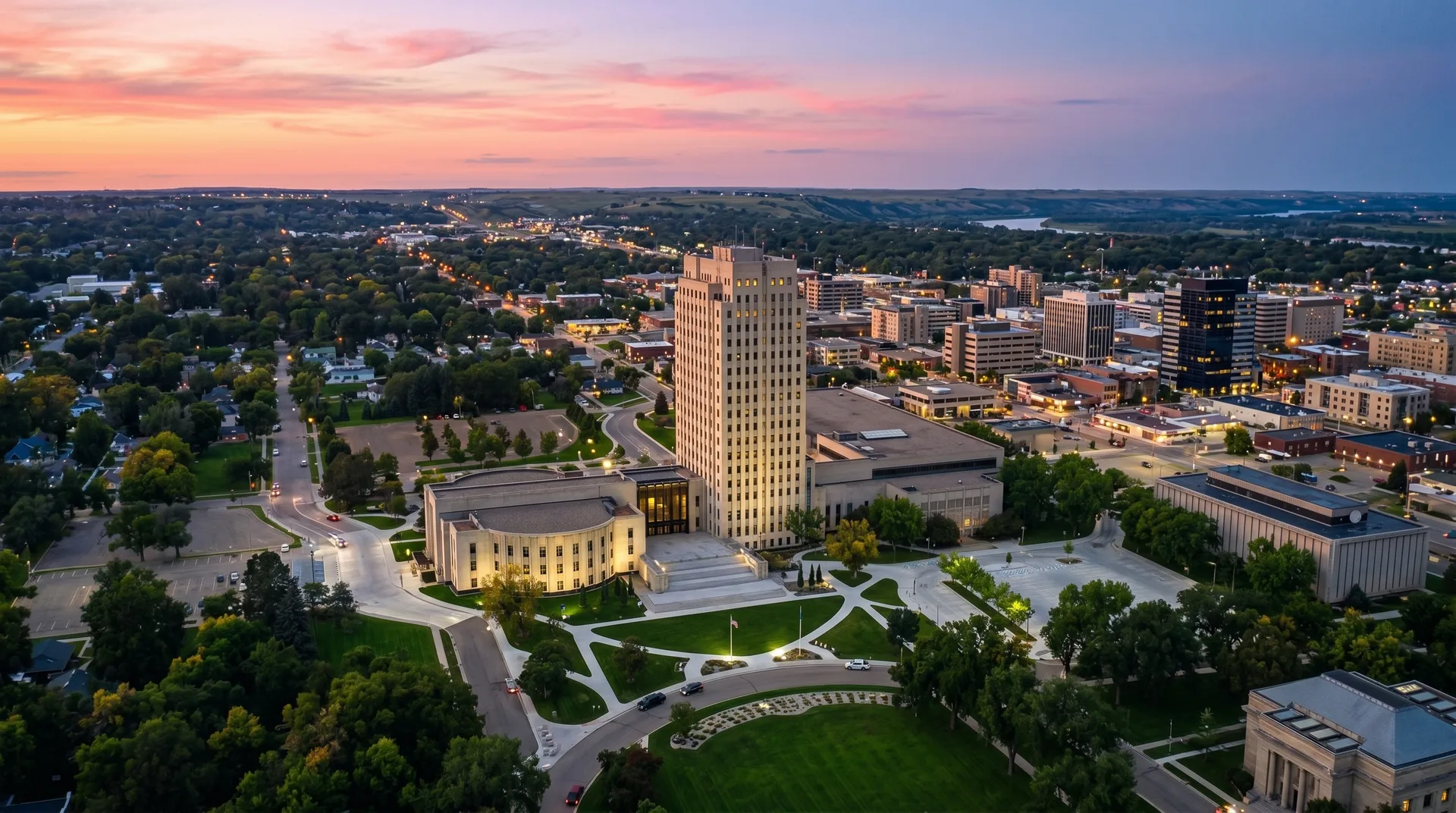
Bismarck
Bismarck, the capital city of North Dakota, serves as a strategic logistics hub in the American Midwest. Located along the Missouri River, the city benefits from its position at the crossroads of major transportation routes, including Interstate 94 and Interstate 29. Bismarck's economy is anchored by agriculture, energy production, and manufacturing sectors, with the city serving as a distribution center for goods throughout the region. The city's industrial parks and warehousing facilities provide excellent infrastructure for freight consolidation and distribution operations.
The city's transportation infrastructure includes the Bismarck Municipal Airport for air freight, extensive rail connections through BNSF Railway, and a well-developed road network. The nearby Port of Bismarck-Mandan on the Missouri River provides additional multimodal transportation options, enhancing the city's capabilities as a logistics center. These infrastructure assets make Bismarck an ideal origin point for freight shipments destined for Mexico and other international markets.
 Destination
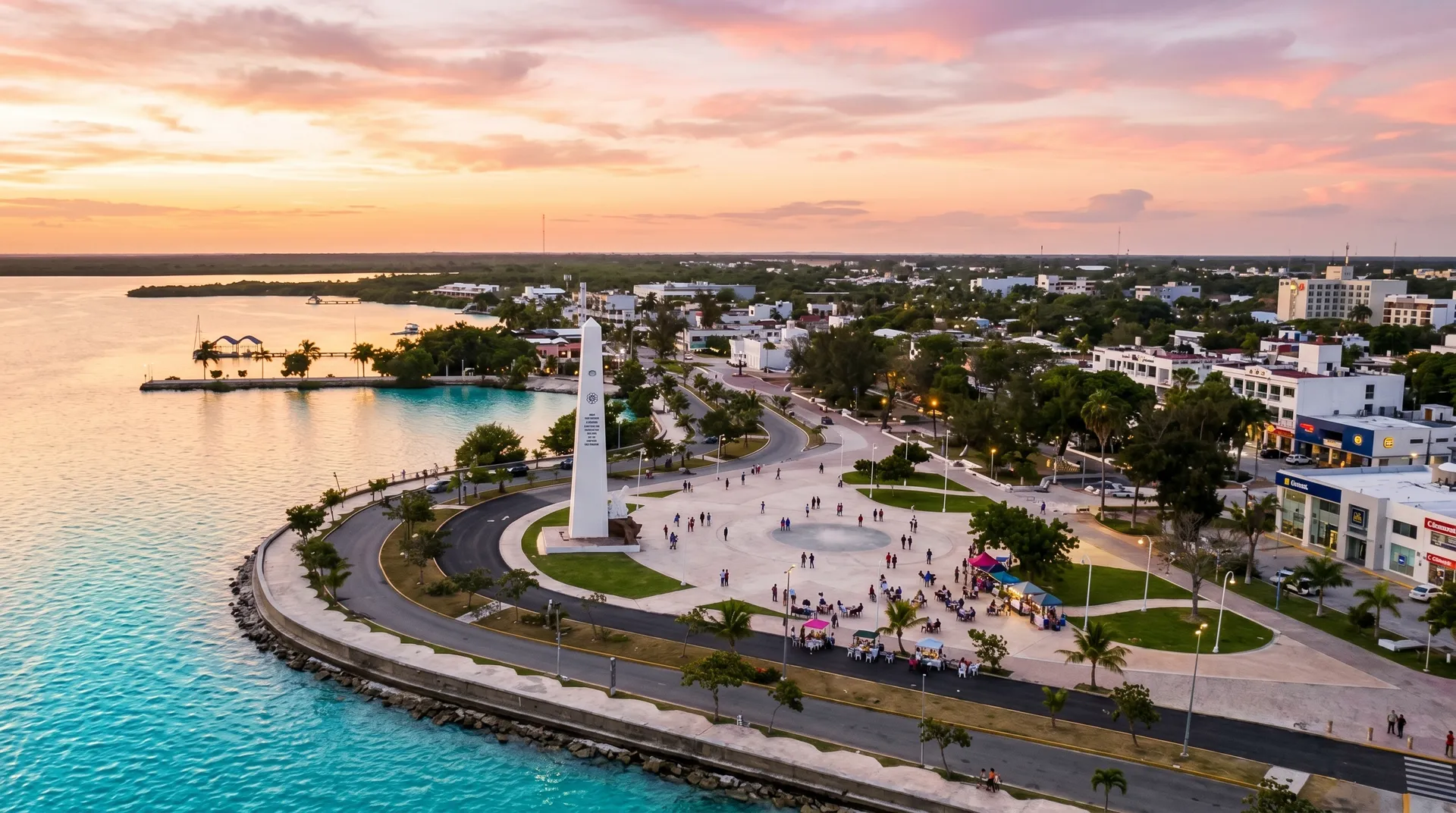
Chetumal
Chetumal, the capital of Quintana Roo, is strategically positioned at Mexico's southeastern gateway, bordering Belize and serving as a key connection point to the Yucatán Peninsula. The city has experienced significant economic growth, driven by tourism, agriculture, and increasing industrial development. Chetumal's location makes it an important logistics hub for trade between Mexico and Central America, with growing importance in the region's supply chain networks.
The city's transportation infrastructure includes the Chetumal International Airport, which handles both passenger and cargo operations, and a network of federal highways connecting to major Mexican cities. The nearby port of Chetumal on the Bay of Chetumal provides maritime shipping capabilities, while the city's proximity to the Belize border facilitates cross-border trade. These infrastructure elements, combined with the city's economic development, make Chetumal an increasingly important destination for freight transportation from the United States.










