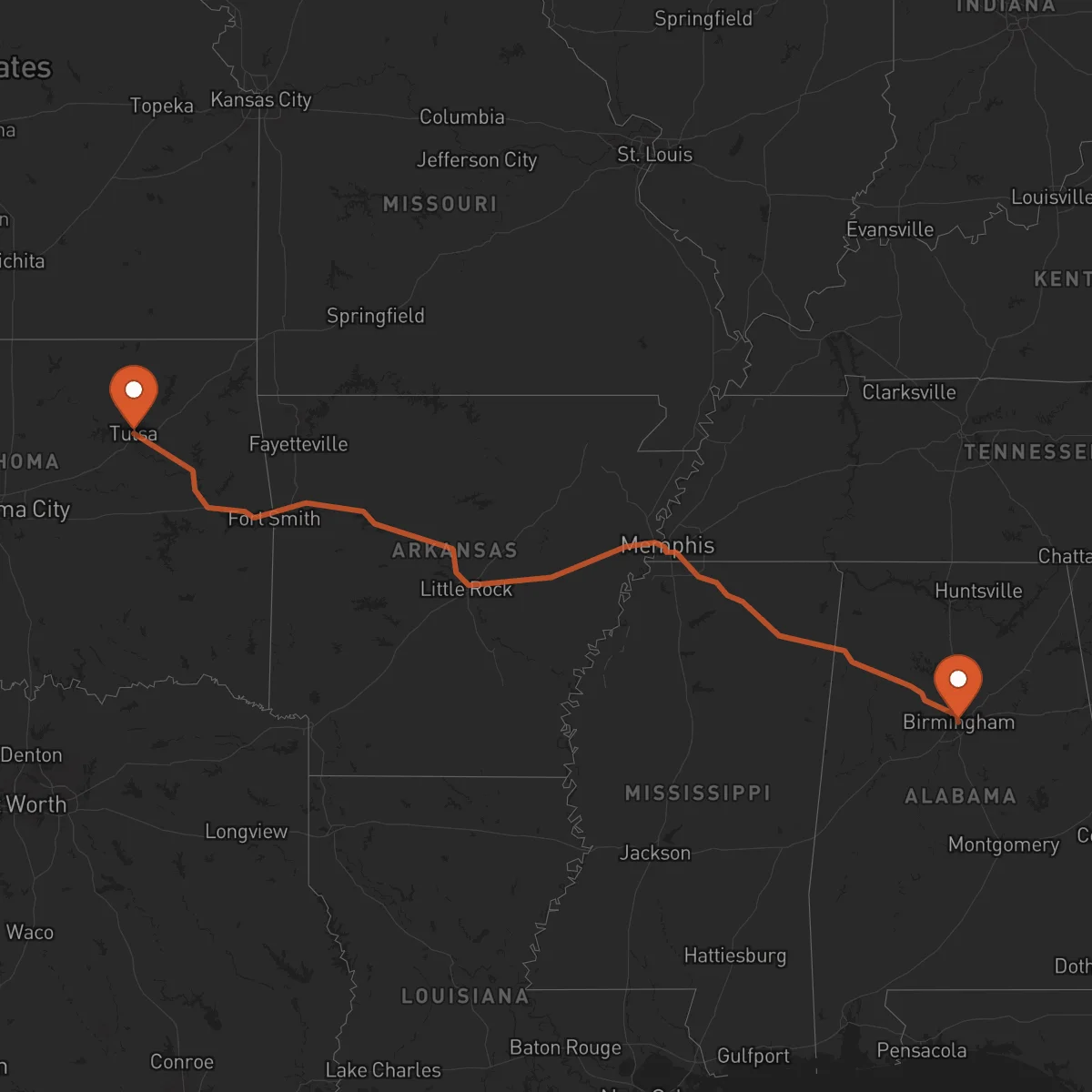
Birmingham to Tulsa
Tulsa → BirminghamFTL freight transportation service between Birmingham and Tulsa. Reliable logistics solutions for your business.
Route Description
Everything you need to know about the corridor Birmingham - Tulsa
The Birmingham to Tulsa corridor is a vital transportation artery connecting the industrial heart of the Southeast to the energy and manufacturing hub of the Midwestern United States. This strategic route spans approximately 887 km, serving as a critical link for businesses moving goods between these two significant economic centers. The corridor facilitates efficient movement of raw materials, finished products, and specialized equipment, supporting regional and national supply chains.
The region along this corridor encompasses diverse economic landscapes. From Birmingham's manufacturing legacy to Tulsa's energy sector dominance, this route connects industries that drive economic activity across multiple sectors. The corridor traverses areas rich in automotive manufacturing, aerospace components, energy production, and advanced materials processing, creating a robust network of production and distribution centers.
Key industries utilizing this corridor include automotive manufacturing, aerospace and defense, energy production and services, chemical processing, and advanced manufacturing. These sectors rely on dependable transportation solutions to maintain just-in-time production schedules, manage inventory levels, and respond to market demands. The movement of specialized equipment, oversized components, and temperature-sensitive goods is particularly common along this route.
The primary transportation infrastructure includes major highways such as I-20, I-59, and I-45, which provide efficient connections between the two cities. These well-maintained routes offer reliable transportation options, with multiple service centers, truck stops, and logistics facilities supporting freight movements. The corridor benefits from a network of strategically located intermodal facilities, distribution centers, and industrial parks that enhance the efficiency of goods movement.
Control Terrestre provides comprehensive FTL solutions along the Birmingham-Tulsa corridor, leveraging our extensive network of certified transportation providers. We offer specialized services including dedicated transportation, expedited freight, and customized solutions for oversized or specialized cargo requirements. Our team of logistics experts coordinates seamless door-to-door transportation, ensuring your goods move efficiently between these important economic centers. With our focus on reliability and sustainability, we help businesses optimize their supply chain operations along this critical transportation route.
Services for this Route
Available services for the corridor Birmingham - Tulsa
 Origin
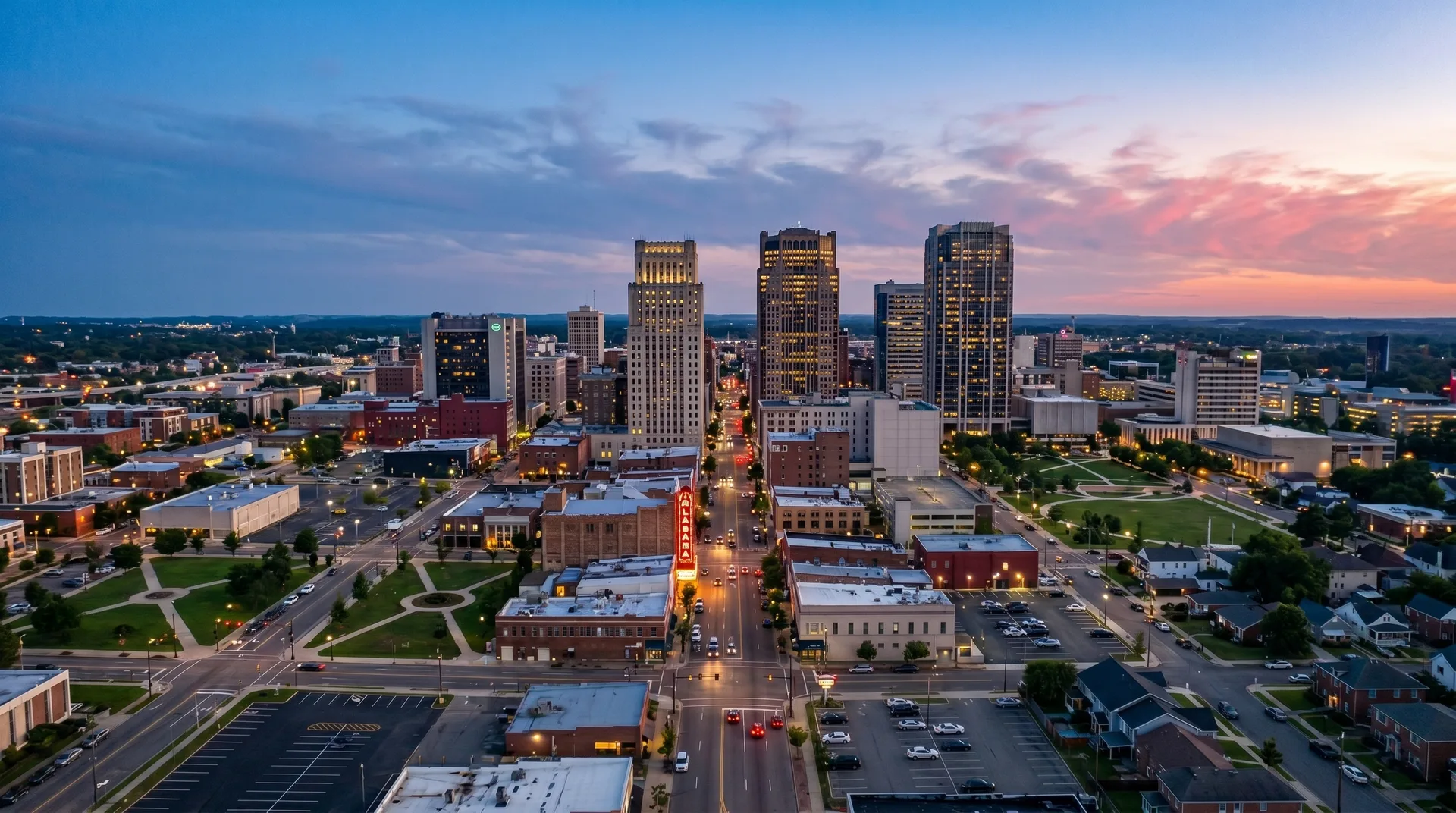
Birmingham
Birmingham, Alabama, serves as a strategic logistics hub in the Southeastern United States, positioned at the crossroads of major transportation arteries. The city's central location within the region makes it an ideal distribution center for companies serving markets across the Southeast and beyond. Birmingham's extensive transportation infrastructure includes multiple interstate highways, a robust rail network, and the Birmingham-Shuttlesworth International Airport, providing comprehensive connectivity for freight movements.
The Birmingham metropolitan area boasts a diverse industrial base with strengths in manufacturing, healthcare, finance, and education. Key industries include automotive manufacturing, metal production, chemical processing, and food production. The region is home to major employers in the steel production, industrial equipment manufacturing, and advanced materials sectors, creating consistent freight demand for both raw materials and finished products.
Birmingham's transportation infrastructure includes major highways such as I-20, I-59, and I-45, which connect the city to markets throughout the Southeast and Midwest. The city features numerous industrial parks, distribution centers, and logistics facilities that enhance efficient cargo handling. Additionally, Birmingham benefits from a strong rail network with multiple rail lines serving the metropolitan area, complementing truck transportation options for shippers.
 Destination
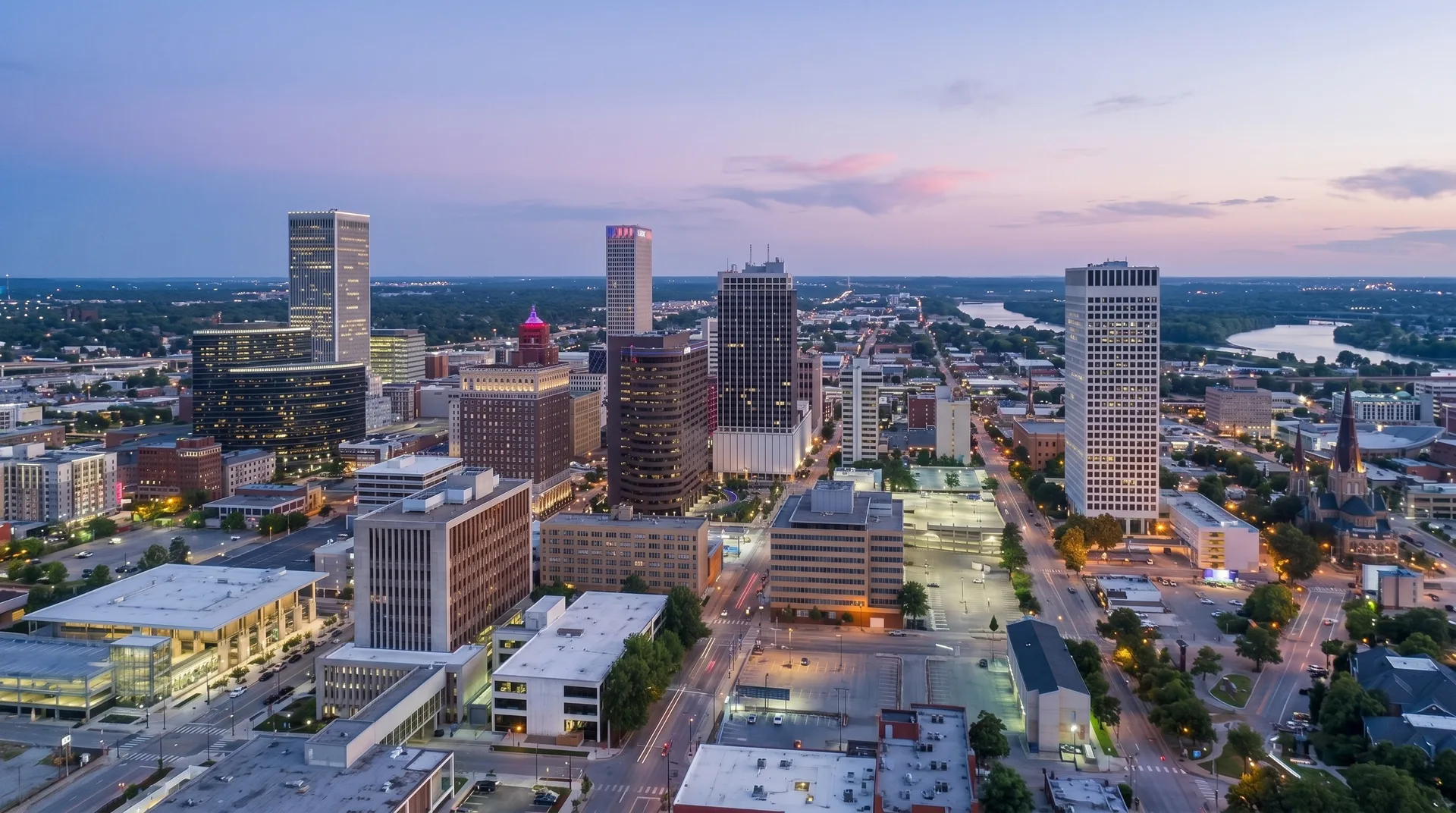
Tulsa
Tulsa, Oklahoma, stands as a critical logistics and energy hub in the Midwestern United States, offering strategic connectivity for businesses across multiple sectors. The city's position along major transportation routes makes it an ideal distribution point for goods moving throughout the central United States. Tulsa's well-developed transportation infrastructure supports efficient freight movements, with access to interstate highways, rail networks, and the Tulsa International Airport.
Tulsa's economy is diverse but historically rooted in energy production, with significant presence in oil and gas, aerospace, and manufacturing sectors. The city hosts major companies in energy exploration, aerospace component manufacturing, telecommunications, and transportation equipment. These industries generate consistent freight demand for specialized equipment, oversized components, and time-sensitive materials.
Tulsa's transportation infrastructure includes major highways such as I-44, US-75, and I-244, providing efficient connections to markets throughout the region. The city features numerous industrial parks, distribution centers, and specialized handling facilities that support various freight requirements. Tulsa benefits from a robust rail network with multiple rail lines serving the metropolitan area, enhancing freight transportation options for shippers.










