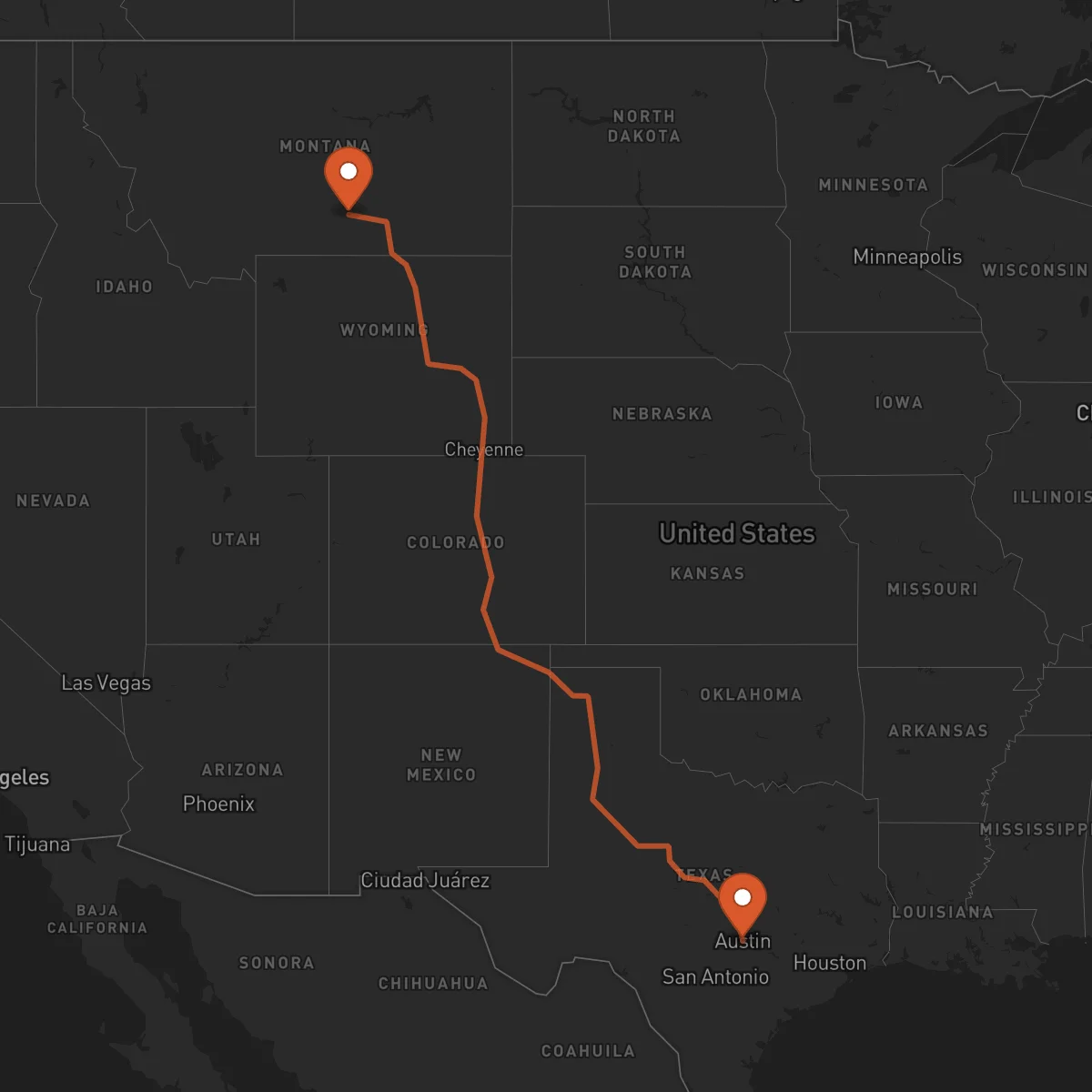
Billings to Austin
Austin → BillingsFTL freight transportation service between Billings and Austin. Reliable logistics solutions for your business.
Route Description
Everything you need to know about the corridor Billings - Austin
The Billings to Austin corridor represents a vital logistics connection spanning over 1,962 kilometers across the heart of the United States. This route links Montana's energy-rich regions with Texas's thriving technology and business hub, creating essential supply chain links between the Northern Rockies and the Gulf Coast. The corridor traverses diverse terrain and multiple states, making it a strategic pathway for industries requiring reliable transportation across the American West and Southwest.
The economic significance of this corridor cannot be overstated. Billings serves as a major energy and agricultural center, while Austin has emerged as a technology powerhouse and business center. This creates a complementary trade relationship where energy resources, agricultural products, and industrial goods flow southward, while technology equipment, manufactured goods, and specialized products move northward. The corridor supports critical industries including energy, technology, agriculture, manufacturing, and retail distribution.
Key transportation infrastructure along this route includes major highways such as I-90 connecting Billings to I-25 southward, then I-35 linking through Oklahoma to Austin. These interstate highways provide reliable, high-capacity freight movement throughout the year. Control Terrestre leverages this robust infrastructure network to ensure efficient FTL transportation services, offering dedicated truckload solutions that maintain cargo integrity and delivery reliability across this extensive corridor.
Our specialized logistics expertise on the Billings-Austin route ensures seamless freight movement regardless of seasonal challenges or regional variations. We understand the unique demands of transporting goods across multiple climate zones and jurisdictions, providing our clients with the confidence that their cargo will reach its destination safely and on schedule.
Services for this Route
Available services for the corridor Billings - Austin
 Origin
Billings
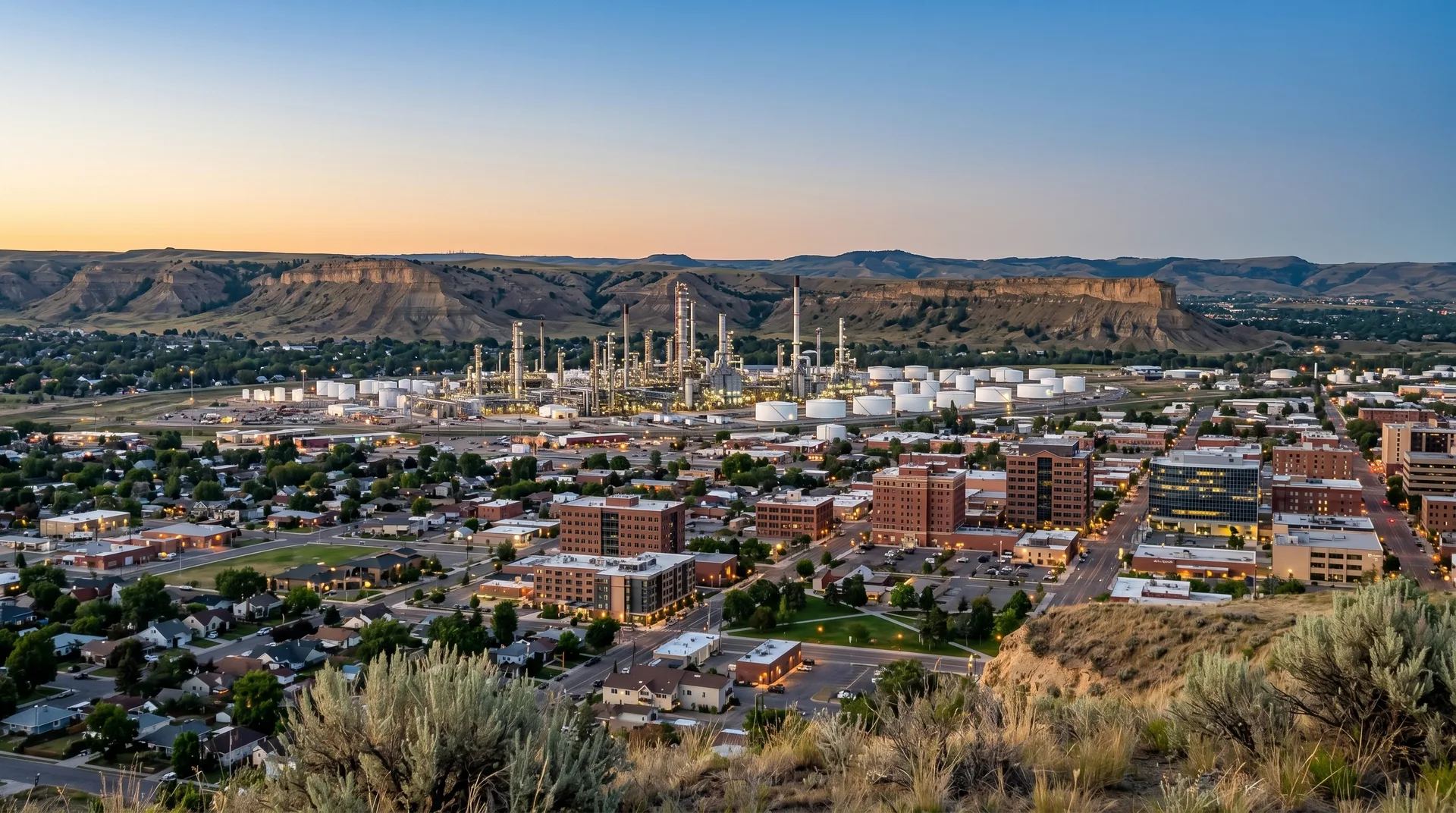
Billings, Montana serves as a strategic logistics hub in the Northern Rockies region, positioned at the crossroads of major transportation routes. The city's location provides crucial access to the Bakken oil fields, agricultural regions of eastern Montana and Wyoming, and serves as a distribution center for goods moving throughout the mountain states. Billings benefits from its proximity to major rail lines and interstate highways, making it an ideal origin point for freight moving in all directions across the western United States.
The economic landscape of Billings is dominated by energy production, agriculture, and healthcare sectors. The region is a significant producer of oil, natural gas, and coal, while also serving as a major agricultural processing and distribution center for grains, livestock, and other commodities. Billings's diverse industrial base creates substantial freight movement, particularly in energy equipment, agricultural products, and industrial machinery that require reliable transportation to markets across the country.
 Destination
Austin
Austin, Texas stands as a dynamic logistics destination in the heart of Central Texas, strategically positioned to serve the growing Texas economy and beyond. The city's location provides excellent access to major transportation corridors including I-35, connecting it to major markets throughout Texas and the Midwest. Austin's infrastructure includes Austin-Bergstrom International Airport and extensive highway networks that facilitate efficient freight movement to and from the region.
The Austin metropolitan area has experienced explosive growth, driven by its emergence as a technology and innovation hub often called "Silicon Hills." The region hosts major technology companies, research institutions, and a thriving startup ecosystem. Beyond technology, Austin's economy encompasses government services, education, healthcare, and manufacturing. This diverse economic base creates substantial demand for freight transportation, particularly for technology equipment, manufacturing components, and consumer goods supporting the region's rapid population and business growth.










