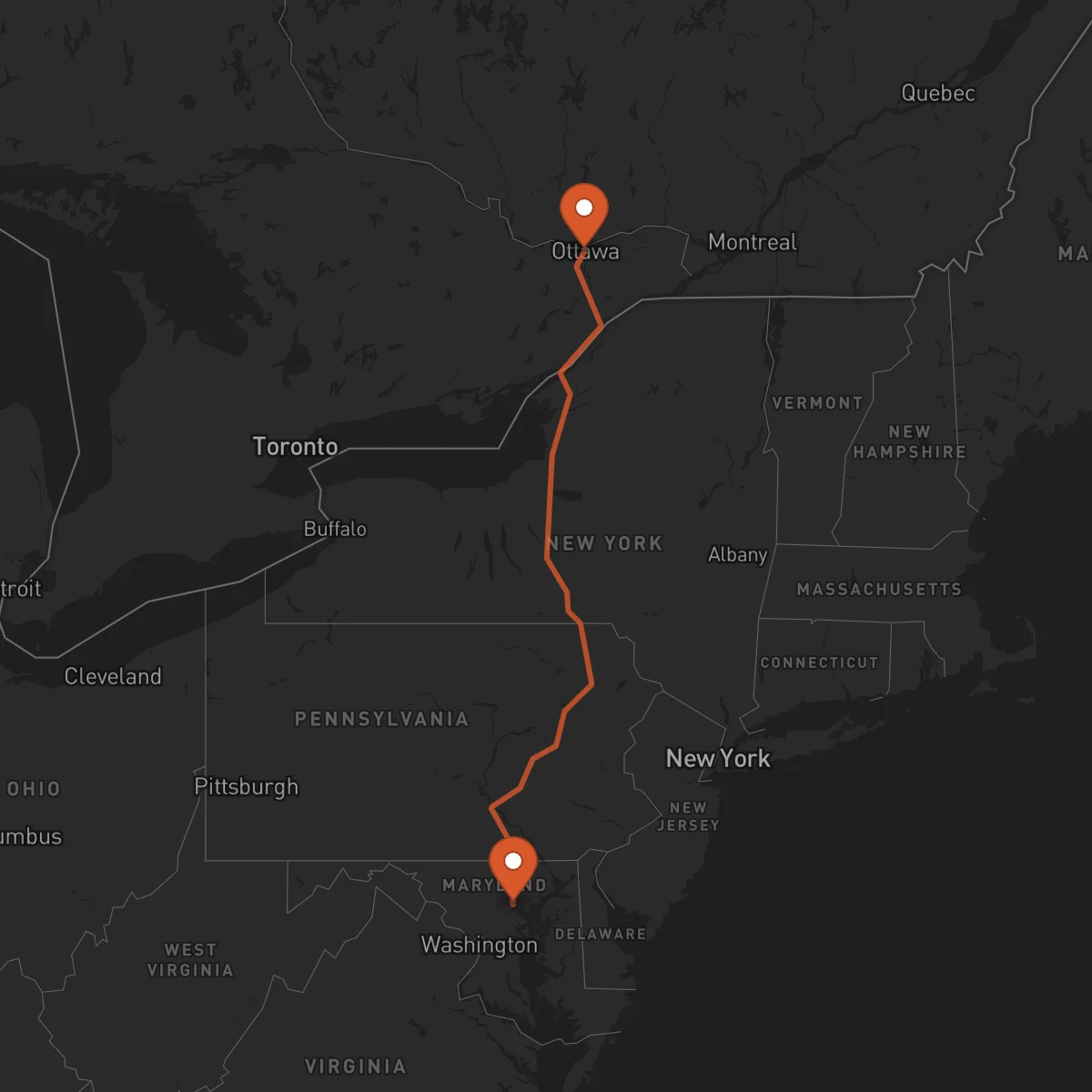
Baltimore to Ottawa
Ottawa → BaltimoreFTL freight transportation service between Baltimore and Ottawa. Reliable logistics solutions for your business.
Route Description
Everything you need to know about the corridor Baltimore - Ottawa
The Baltimore-Ottawa corridor connects one of the most important ports on the U.S. East Coast with Canada's capital, creating a vital logistics link between the United States and Canada. This 686 km route facilitates the flow of goods between Maryland's industrial base and Ottawa's government and technology sectors, supporting cross-border trade and economic integration between the two nations.
The corridor traverses key economic regions, passing through Pennsylvania and New York before crossing at the Ogdensburg-Prescott International Bridge or other northern border points. Baltimore's port and extensive rail connections complement Ottawa's position as a major government and technology hub, creating a balanced flow of imports and exports. The route benefits from proximity to major population centers and industrial zones in both countries.
Primary industries utilizing this corridor include government and defense contracting, technology and telecommunications, pharmaceuticals, automotive parts, and agricultural products. Baltimore's port facilities handle significant container traffic, while Ottawa's growing tech sector requires reliable transportation for sensitive electronic equipment and components. The corridor also supports cross-border e-commerce and just-in-time manufacturing supply chains.
Control Terrestre provides specialized cross-border FTL services along this corridor, ensuring seamless customs clearance and temperature-controlled options when needed. Our experienced drivers understand the specific requirements of crossing at northern border points, and our network of certified carriers guarantees reliable service for time-sensitive government and commercial shipments between these strategic North American cities.
Services for this Route
Available services for the corridor Baltimore - Ottawa
 Origin
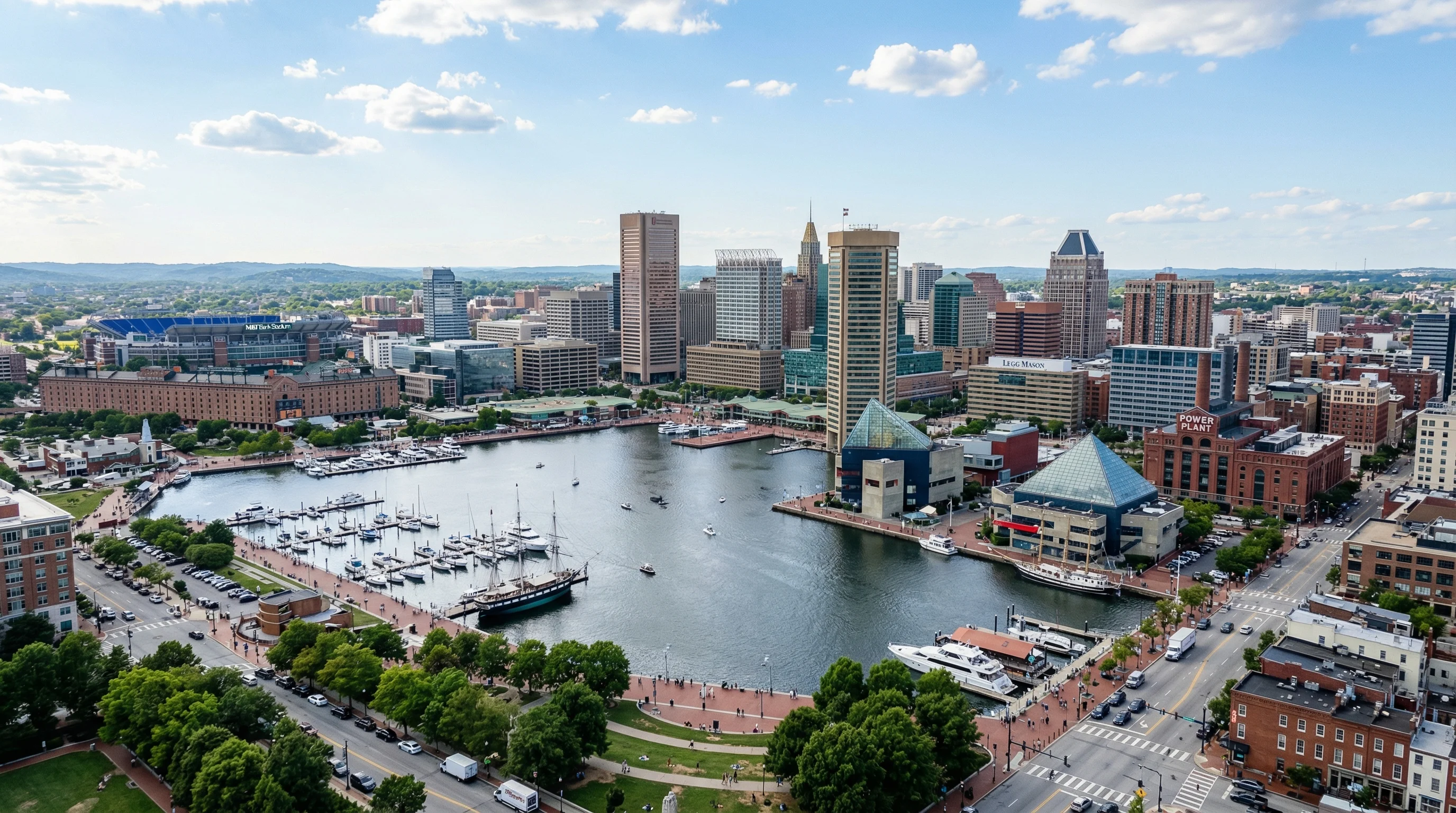
Baltimore
Baltimore, Maryland serves as a critical logistics hub on the U.S. East Coast, anchored by the Port of Baltimore - one of America's busiest ports for both container and automobile traffic. The city's strategic location provides direct access to major interstate highways including I-95, I-83, and I-70, creating efficient connections to both inland markets and coastal shipping routes. Baltimore's transportation infrastructure includes extensive rail networks operated by CSX and Norfolk Southern, complementing its port facilities and creating multimodal shipping options.
The Baltimore metropolitan area hosts diverse economic sectors including advanced manufacturing, healthcare and biotechnology, financial services, and government contracting. Major employers include Johns Hopkins University and Hospital, Lockheed Martin, and Under Armour. The region's industrial base produces a wide range of goods from pharmaceuticals to aerospace components, creating consistent demand for reliable freight transportation services to both domestic and international markets.
 Destination
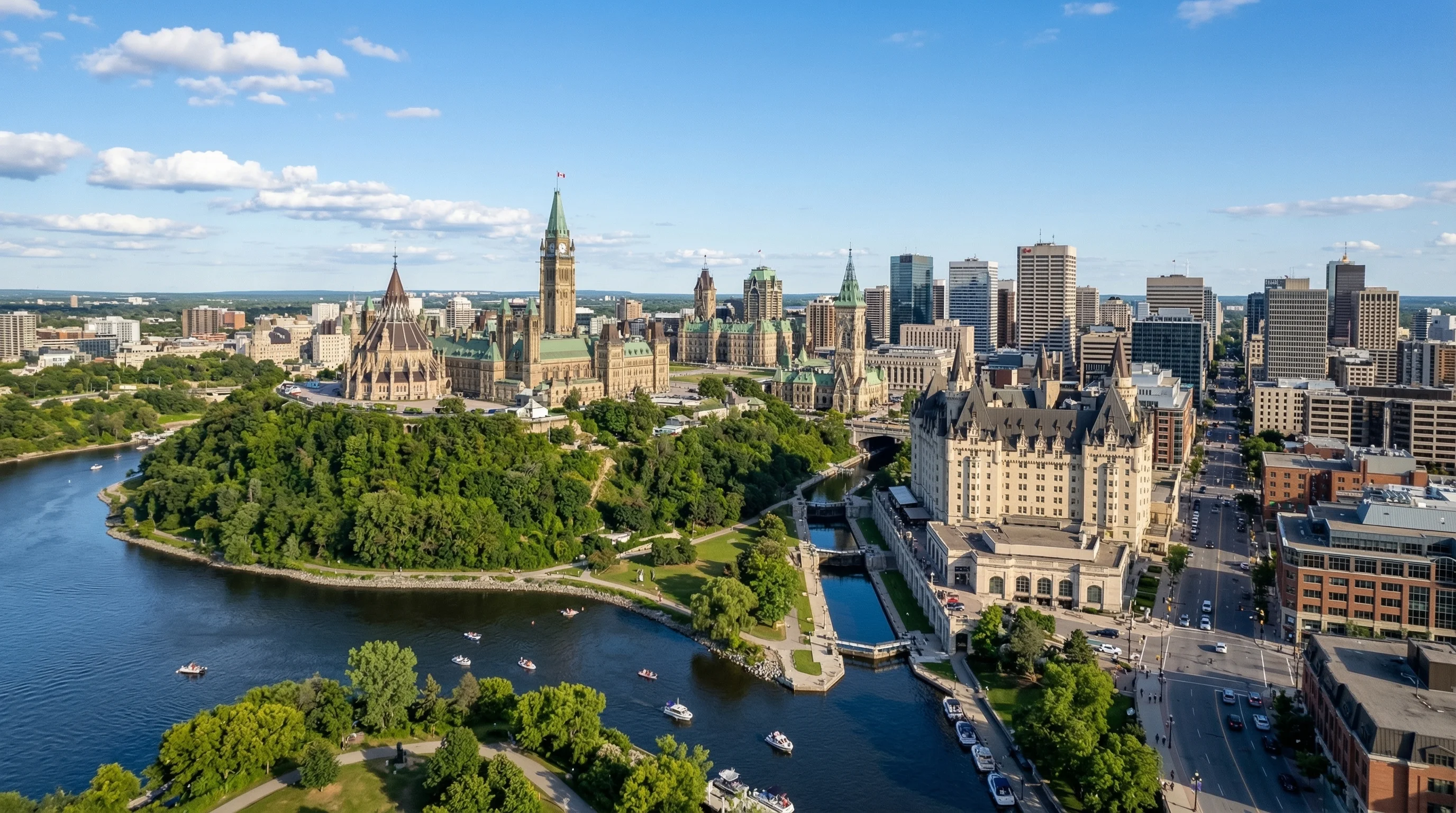
Ottawa, Ontario represents Canada's capital and a major technology and government services center, strategically located at the confluence of the Ottawa, Gatineau, and Rideau rivers. The city benefits from proximity to major Canadian markets and serves as a gateway to Quebec and Atlantic Canada. Ottawa's transportation infrastructure includes access to Highway 417 (Queensway), connections to Autoroute 5 in Gatineau, and rail services provided by CN and Via Rail, facilitating efficient movement of goods throughout Eastern Canada.
The Ottawa economy is anchored by the federal government, which remains the largest employer, but has diversified significantly into technology and knowledge-based industries. The city has earned the nickname "Silicon Valley North" due to its concentration of tech companies, particularly in telecommunications, software development, and photonics. Other key sectors include healthcare, education, and professional services. This economic diversity creates consistent demand for specialized freight services, particularly for high-value technology equipment, government materials, and time-sensitive documents requiring secure transportation.










