Austin to San Marcos
San Marcos → AustinFTL freight transportation service between Austin and San Marcos. Reliable logistics solutions for your business.
Route Description
Everything you need to know about the corridor Austin - San Marcos
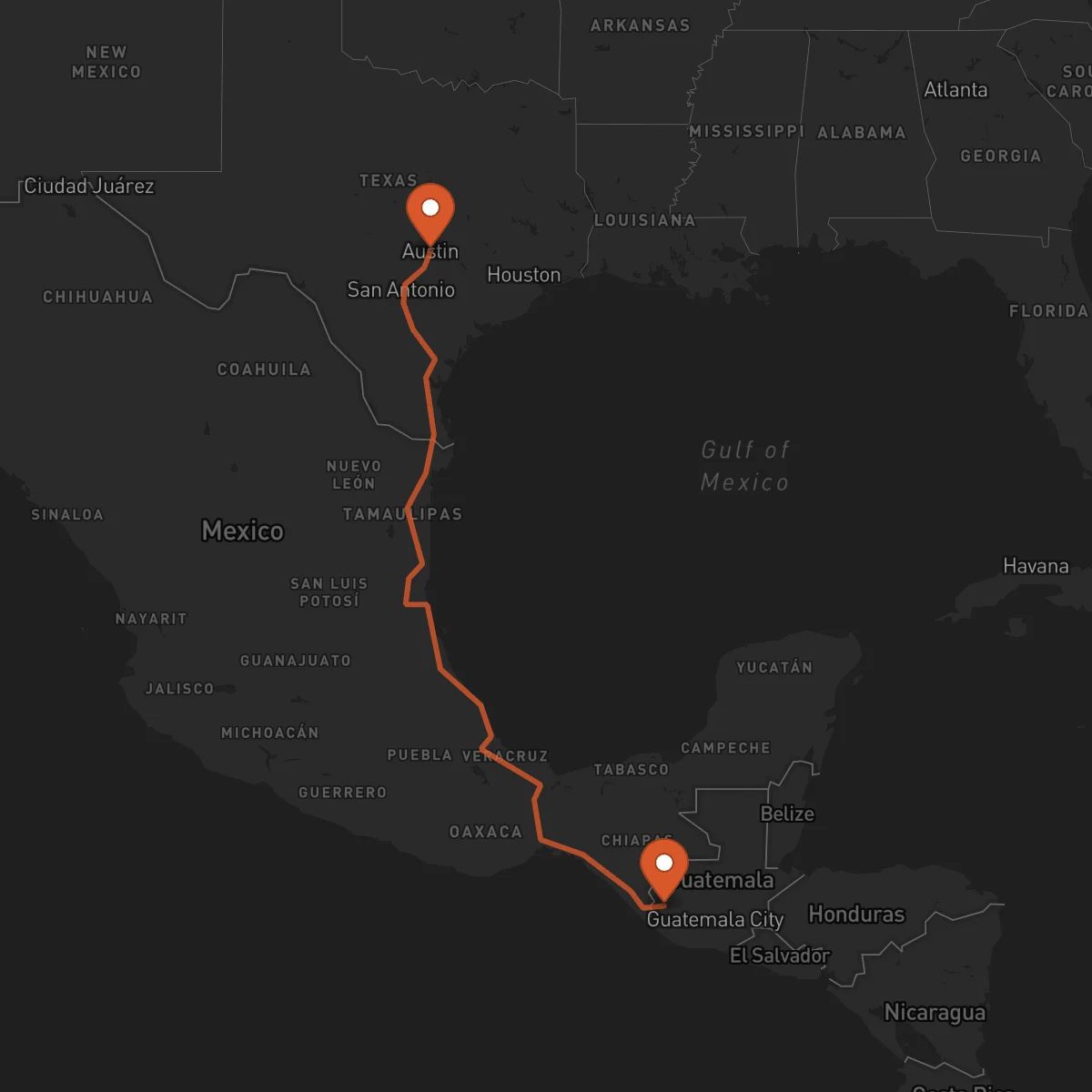
The Austin to San Marcos corridor represents a vital cross-border logistics route connecting the United States with Guatemala. This 1,807 km transportation corridor serves as a critical link between North America's economic powerhouse and Central America's growing markets. The route facilitates the movement of goods through diverse terrain, crossing multiple international borders and connecting major industrial centers along the way.
The corridor's strategic importance stems from its role in supporting international trade between the United States and Guatemala. Austin, known for its technology sector and manufacturing capabilities, serves as a major origin point for high-value goods, electronics, and industrial equipment. The route passes through key Mexican states including Veracruz and Oaxaca before reaching Guatemala, where San Marcos serves as an important commercial hub for agricultural products, textiles, and manufactured goods.
Major transportation infrastructure along this corridor includes the Pan-American Highway (CA-1) and various federal highways in Mexico. The route requires careful coordination at border crossings, particularly at the Mexico-Guatemala border, where customs procedures and documentation must be meticulously managed. Control Terrestre's expertise in cross-border operations ensures seamless transit through these critical points, with our certified carriers handling all necessary customs clearances and regulatory compliance.
Control Terrestre facilitates efficient operations on this corridor through our network of experienced carriers who understand the complexities of cross-border transportation. Our team manages the entire logistics chain, from pickup in Austin to final delivery in San Marcos, providing real-time tracking and dedicated support throughout the journey. This comprehensive approach ensures reliable delivery of full truckload shipments while maintaining the highest standards of safety and compliance.
Services for this Route
Available services for the corridor Austin - San Marcos
 Origin
Austin
Austin, Texas serves as a strategic logistics hub in the southern United States, offering excellent connectivity through major interstate highways including I-35, which directly connects to the cross-border corridor. The city's central location in Texas provides access to a vast network of transportation infrastructure, including multiple rail connections and the Austin-Bergstrom International Airport. Austin's growing logistics sector benefits from its proximity to major ports and distribution centers throughout Texas.
The city's economy is diverse, with strong presence in technology, manufacturing, and healthcare industries. Major employers in the area drive significant freight volumes, particularly in electronics, medical devices, and industrial equipment. Austin's status as a tech hub also means frequent shipments of high-value, time-sensitive cargo requiring specialized handling and security measures. The region's manufacturing sector produces automotive parts, aerospace components, and various industrial goods that regularly utilize cross-border transportation services.
 Destination
San Marcos
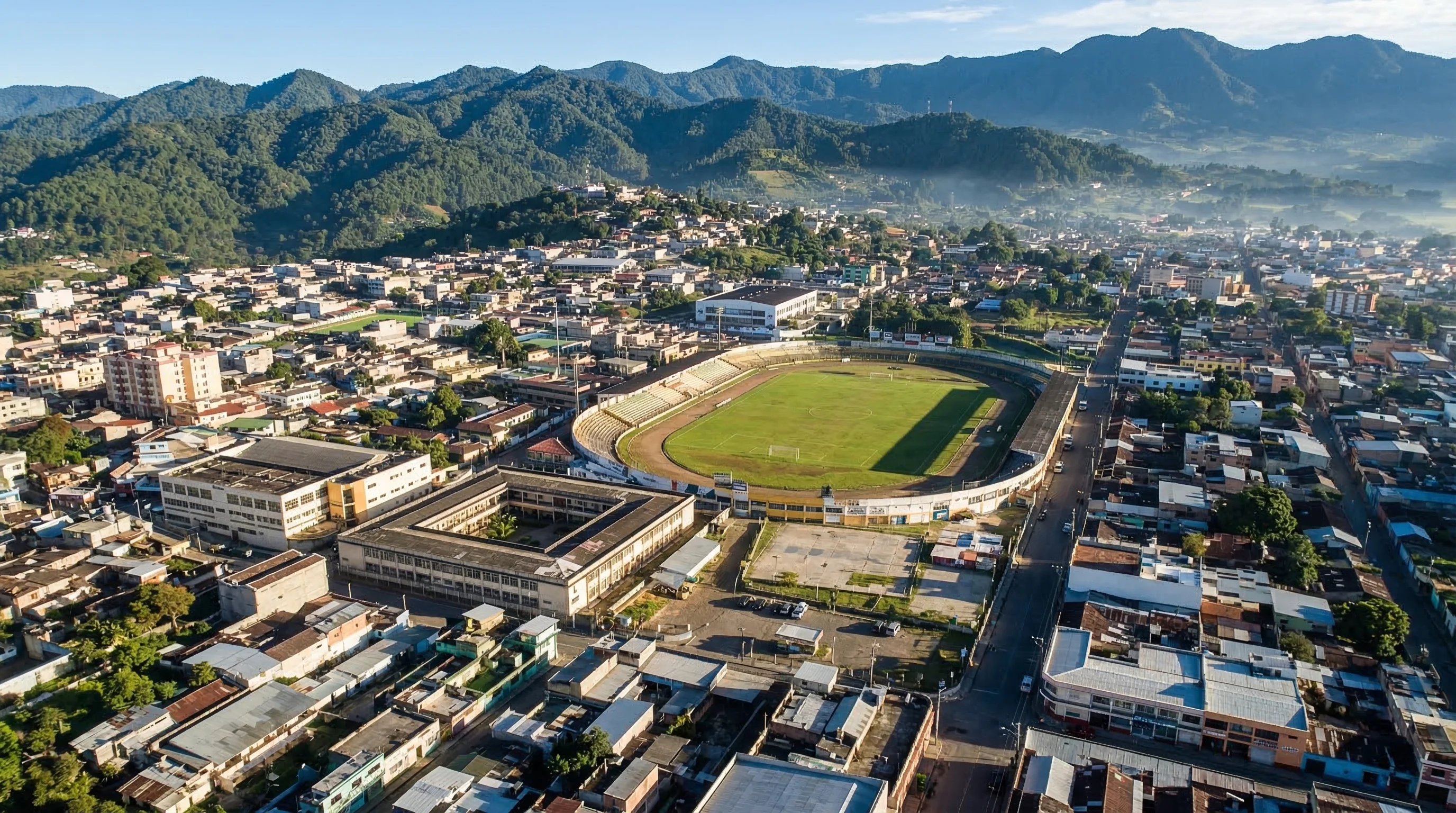
San Marcos, Guatemala represents a key commercial center in the western highlands of Guatemala, strategically positioned near the border with Mexico. The city serves as an important gateway for goods entering Guatemala from North America, with its location providing access to both domestic markets and neighboring countries in Central America. The region's transportation infrastructure includes major highways connecting to Guatemala City and the Pacific coast ports.
The local economy in San Marcos is diverse, with strong agricultural sectors producing coffee, vegetables, and other crops for export. The area also has growing manufacturing capabilities, particularly in textiles and food processing. These industries create consistent demand for inbound freight from the United States, including raw materials, machinery, and finished goods. The city's commercial activity is supported by wholesale markets and distribution centers that serve the surrounding departments and southern Mexico.










